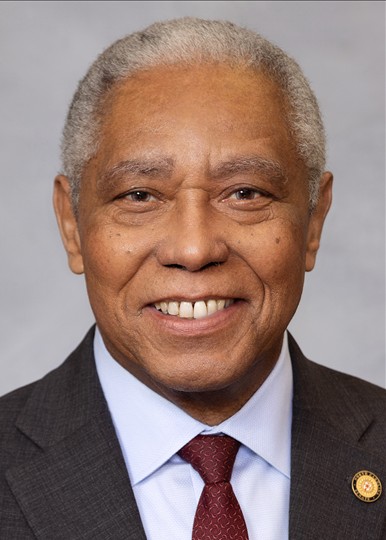
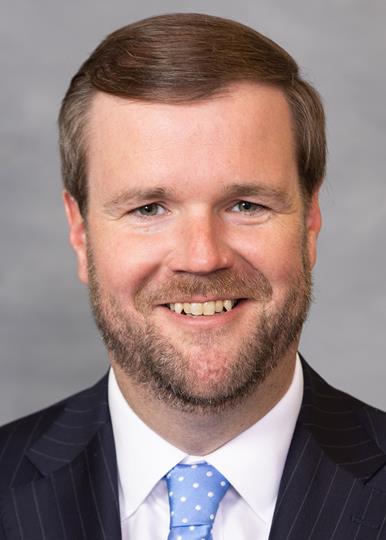
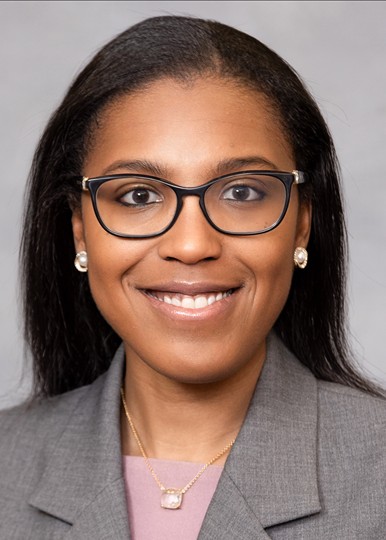
Key legislators
Who's moving education in North Carolina
Showing 3 of 3
bills
All education bills
HB 805 requires North Carolina state agencies and local governments to use biological sex definitions (based on reproductive anatomy at birth) in all policies, replacing gender identity as a legal equivalent. It directly affects state programs, including healthcare, education, and civil rights enforcement, by mandating that "female," "male," and related terms refer solely to biological sex as defined in the bill. The bill also creates a new "Prevent Sexual Exploitation of Women and Minors Act" with definitions for consent and intimate visual depictions, while including provisions on birth certificates, school accommodations for religious objections, and parental access to library materials. These changes take effect January 1, 2026, and are intended to align state law with federal directives referenced in the bill's preamble.
HB 636 establishes new procedures for public school units to select and review library media and materials, affecting students, parents, and school personnel. The bill requires schools to adopt policies that ensure materials are age-appropriate and do not contain content defined as "harmful to minors," which includes depictions of sexual activity or pervasively vulgar content. It mandates a review process involving a community library advisory committee, public posting of recommended materials, and a mechanism for public objections. Additionally, the bill requires the creation of a public database for rejected materials and allows parents, guardians, students, or residents to pursue private legal action against schools violating these provisions. Principals are also required to review all media available at school book fairs for compliance.
HB 58 modifies local election rules across North Carolina. It extends Kittrell's mayor and commissioners' terms from two to four years, changes Asheboro's school board to seven partisan-elected members (down from 11) with four-year staggered terms, and eliminates a mandatory school funding floor for Scotland County. The bill also establishes residency districts for Anson County commissioners, clarifies vacancy procedures for Caswell County, and allows Scotland County to set school budgets without state-mandated funding minimums. These changes directly affect local governments and school boards in multiple counties, altering election structures and budget authority.