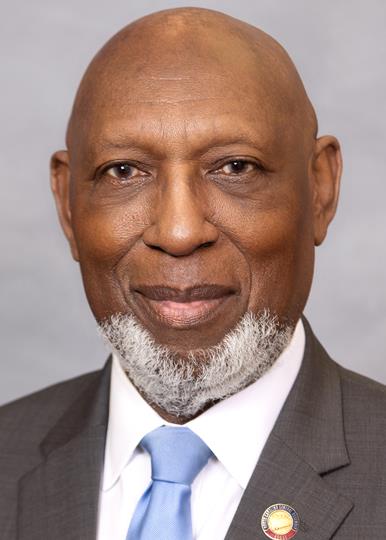
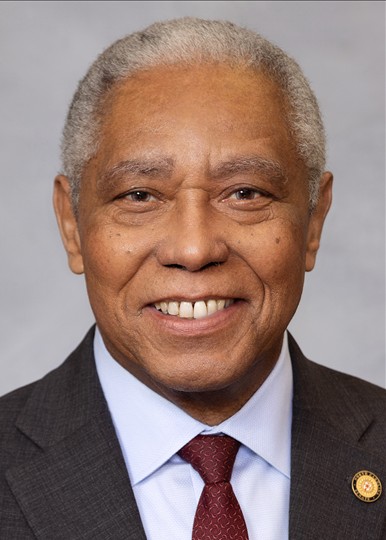
Key legislators
Who's moving education in North Carolina
Showing 3 of 3
bills
All education bills
HB 87 (Educational Choice for Children Act) allows North Carolina to participate in a federal tax credit program that encourages donations to private scholarship organizations. The bill requires the State Education Assistance Authority to maintain and publish an annual list of qualifying scholarship groups operating in North Carolina, enabling donors to claim federal tax credits for contributions. These scholarships can cover elementary and secondary school costs, including homeschooling expenses, as permitted under federal law. The law becomes effective after 2026, with the Authority needing to establish necessary rules by July 2026 to comply with federal requirements.
HB 415 modifies North Carolina high school mathematics graduation requirements, primarily affecting students and the State Board of Education. It requires completion of NC Math 1 and 2, plus two additional math courses aligned with a student's postsecondary plans, and eliminates the end-of-course test for NC Math 3. The bill establishes an "Extended Math" pathway, dividing NC Math 1 and 2 content into four courses for students needing more time and support. Students scoring below proficient on certain math assessments will be enrolled in these extended courses, which are set to begin in the 2025-2026 school year.
HB 414 aims to give equal credit for community college courses towards high school graduation requirements for dually enrolled students, including those in the Career and College Promise program. It directs the State Boards of Community Colleges and Education to collaborate on developing a system where one community college course grants one full high school credit in core subjects, without requiring corresponding high school end-of-course tests. Until this system is fully established, specific community college courses will temporarily satisfy certain high school credits starting in the 2025-2026 academic year. Additionally, the bill modifies high school math graduation requirements, affecting which math courses require an end-of-course test.