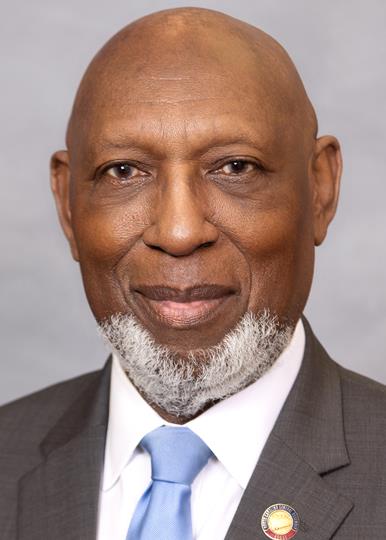
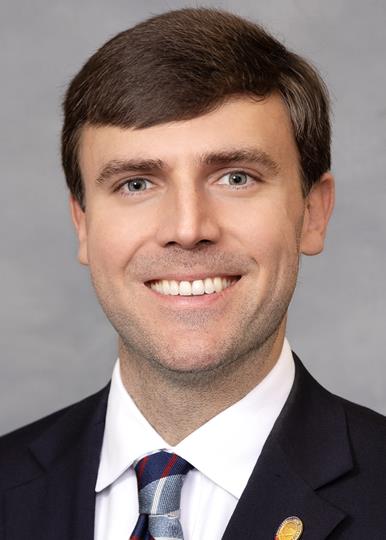
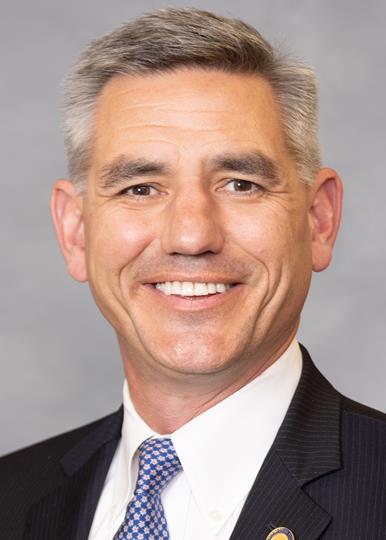
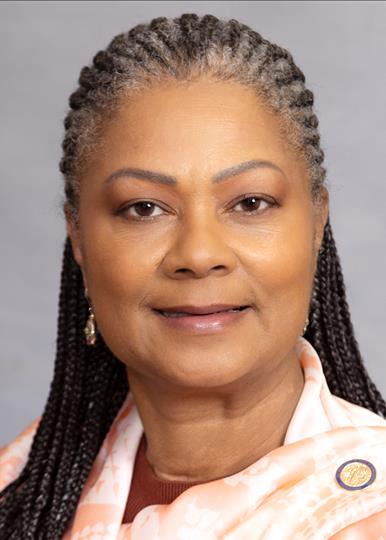
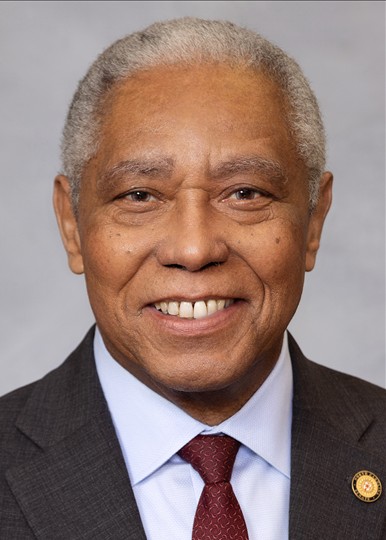
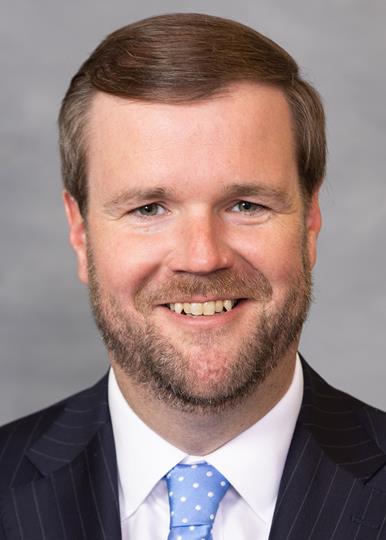
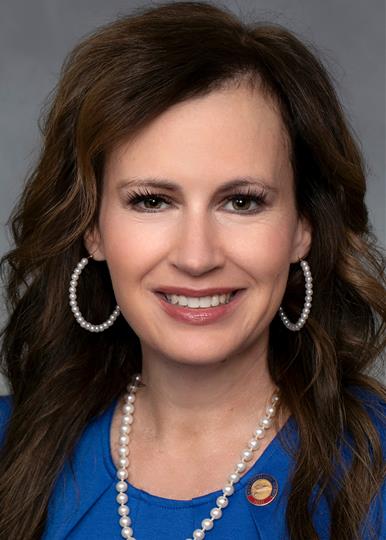
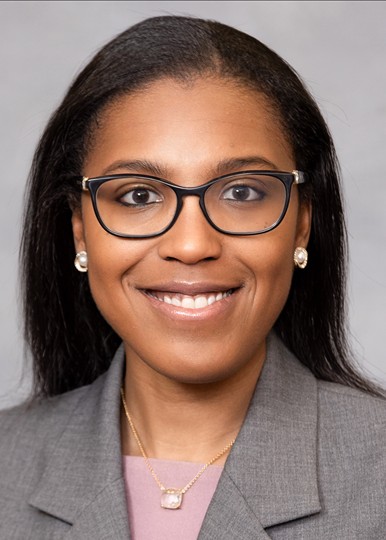
Key legislators
Who's moving education in North Carolina
Showing 31–32 of 32
bills
All education bills
HB 149 creates a pilot program allowing eligible North Carolina school districts (those with at least 5,000 students and tax authority) to submit a Financial and Hiring Flexibility Plan (FHFP) to the State Board of Education. The plan permits districts to use state funds more flexibly and hire up to 50% unlicensed teachers (who must complete specific training in disability education, behavior management, and safety) while meeting defined academic goals by 2030-2031, such as 100% student career planning and 90% teacher retention. The State Board reviews plans annually and can terminate them if districts fail to meet goals, violate fiscal rules, or have low-performing schools. This program aims to give districts operational flexibility to improve student outcomes, subject to state oversight and performance metrics.
HB 58 modifies local election rules across North Carolina. It extends Kittrell's mayor and commissioners' terms from two to four years, changes Asheboro's school board to seven partisan-elected members (down from 11) with four-year staggered terms, and eliminates a mandatory school funding floor for Scotland County. The bill also establishes residency districts for Anson County commissioners, clarifies vacancy procedures for Caswell County, and allows Scotland County to set school budgets without state-mandated funding minimums. These changes directly affect local governments and school boards in multiple counties, altering election structures and budget authority.