Issue · Budget & Taxes

Budget & Taxes

Every budget & taxes bill, vote, and legislator stance in North Carolina, automatically classified by Maddy, our AI policy reader.

Total bills
687
2025-2026 Session
Top supporter
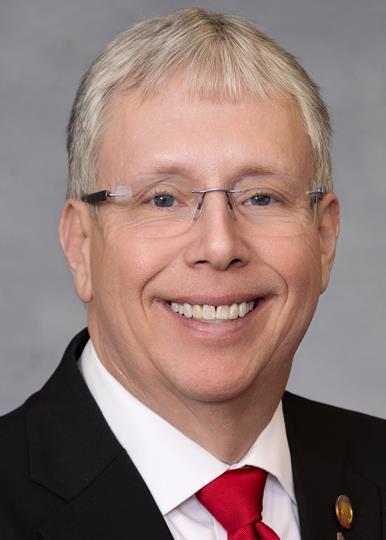
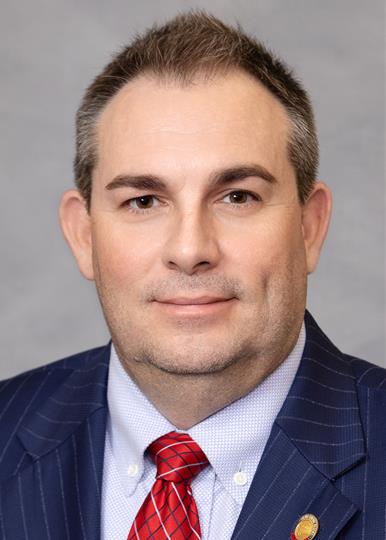
Mitchell Setzer
100% support rate
Top opponent
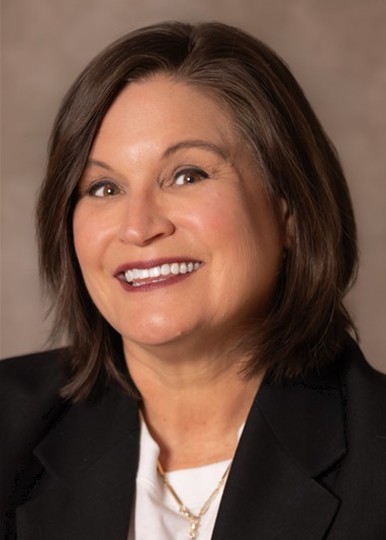
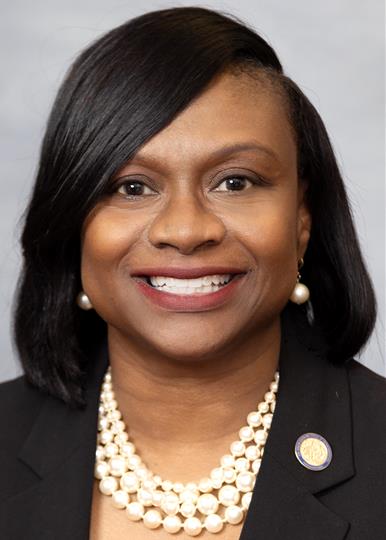
Amanda Cook
0% support rate
Ranked legislators
10
5 support · 5 oppose
Key legislators

Who's moving budget & taxes in North Carolina

Legislators moving budget & taxes in North Carolina
Legislator Party Stance Support rate Votes
Mitchell Setzer
Mitchell Setzer House · District 89
R
Strong +
100% 52
Grant Campbell
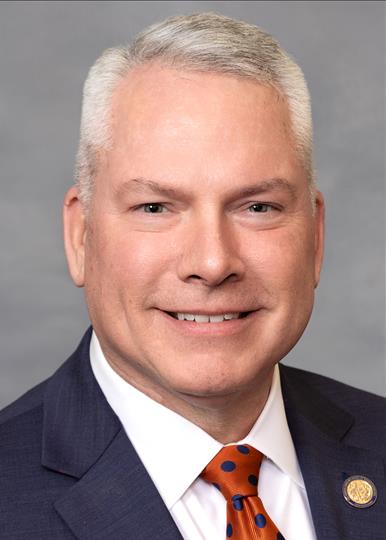
Grant Campbell House · District 83
R
Strong +
100% 50
Anna Ferguson
Anna Ferguson House · District 119
R
Strong +
100% 20
Tim Reeder
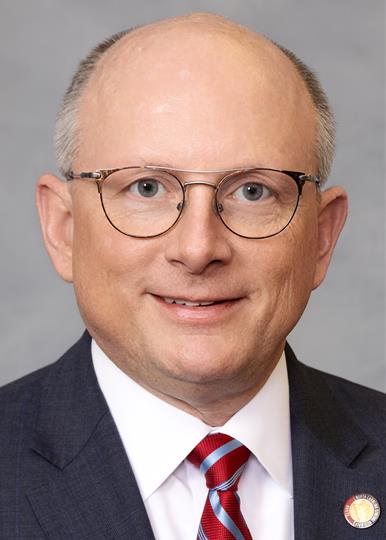
Tim Reeder House · District 9
R
Strong +
100% 51
John Bell
John Bell House · District 10
R
Strong +
100% 50
Amanda Cook
Amanda Cook House · District 60
D
Strong −
0% 20
Monika Johnson-Hostler
Monika Johnson-Hostler House · District 33
D
Strong −
8% 52
Marcia Morey
Marcia Morey House · District 30
D
Strong −
8% 52
Phil Rubin
Phil Rubin House · District 40
D
Strong −
8% 51
Deb Butler
Deb Butler House · District 18
D
Strong −
8% 50
Showing 81–90 of 687 bills

All budget & taxes bills

died · North Carolina · Senate May 5, 2026

SB 1068: Supporting Small Farmers for NC's Future Act.

This bill establishes the Small Farmers Support Grant Program to provide financial assistance to North Carolina residents who are small farmers earning $1 million or less annually. The program offers grants to help eligible individuals purchase essential inputs, equipment, and make operational improvements to their farms, with funding prioritized based on factors like farm size and economic hardship. An initial $15 million in recurring funds is allocated for the 2026-2027 fiscal year to support these efforts, and the bill creates an advisory committee to monitor the program's effectiveness.
in committee · North Carolina · House Jun 30, 2026

HB 1213: Protect Taxpayers and Local Governments.

HB 1213 removes tax exemptions for data centers in North Carolina, meaning these facilities will no longer be exempt from state sales and use taxes. The bill directly affects data center operators and the businesses that purchase equipment for them, requiring them to pay applicable taxes on new purchases starting July 1, 2026. By repealing specific sections of state tax law, the legislation ensures that data centers contribute to state revenue in the same way other commercial entities do.
died · North Carolina · Senate Apr 30, 2026

SB 920: SNAP Administrative Funding/Forsyth County.

This bill appropriates $3,888,010 from North Carolina's General Fund to help Forsyth County cover lost federal money for running the SNAP program. The funds are specifically designated to reimburse the county for administrative expenses that were reduced due to changes in federal law. The state Department of Health and Human Services will distribute the money directly to Forsyth County, but only up to the exact amount of the loss incurred. The legislation takes effect on July 1, 2026, ensuring the county has financial support for its social services operations during the 2026-2027 fiscal year.
Sub-Topics State Budget
died · North Carolina · Senate May 5, 2026

SB 1058: Critical Funds for Mecklenburg County.

This bill directs state funding to several nonprofit organizations and entities in Mecklenburg County for specific projects during the 2026-2027 fiscal year. It allocates money to construct a new main library, complete a community health center, plan a highway interchange, support affordable housing, fund operational costs for a community center, and improve facilities at a nature museum. The funds are drawn from various state accounts, including the General Fund and the Highway Fund, and the legislation takes effect on July 1, 2026.
passed · North Carolina · House May 22, 2026

HB 1042: Affordable Housing Exemption Modifications.

HB 1042 updates North Carolina's property tax exemptions for nonprofit organizations that provide housing for low- or moderate-income individuals. The bill clarifies that land held by nonprofits for future affordable housing projects can remain tax-exempt for up to five years, with unpaid taxes deferred until the project is completed or the land is no longer used for this purpose. Additionally, the legislation establishes a new specific exemption for affordable rental housing, defining it as developments where more than half the units are rented to tenants earning at or below 80% of the area median income. These changes aim to provide clearer tax incentives for nonprofits developing and operating affordable rental properties.
signed · North Carolina · House Jul 8, 2026

HB 1094: Ferry Division Audit/DOT Omnibus.

This bill directs the North Carolina Office of the State Auditor to conduct a performance audit of the Ferry Division within the Department of Transportation. The audit will examine financial spending, operational efficiency, and the current route system to identify ways to reduce costs and increase revenue. Additionally, the review will explore options for diversifying funding sources to support capital projects and cover operating expenses. The State Auditor must submit a final report detailing these findings to the Joint Legislative Transportation Oversight Committee and the Fiscal Research Division by October 1, 2026.
died · North Carolina · Senate Apr 29, 2026

SB 869: Reduce County Share/SA In-Home Program.

This bill directs the North Carolina Department of Health and Human Services to use $500,000 in state funds to lower the portion of costs that counties must pay for the Special Assistance in-home program. Starting in the 2026-2027 fiscal year, the state will cover more of the expenses for this service, which supports individuals who need assistance at home. The change is designed to reduce the financial burden on local governments while maintaining the availability of the program. The legislation takes effect on July 1, 2026.
died · North Carolina · Senate May 4, 2026

SB 962: Investing in North Carolina Act.

This bill, titled the Investing in North Carolina Act, establishes a new salary schedule for public school teachers and provides raises for state employees, community college staff, and University of North Carolina employees. The proposed teacher salary schedule sets monthly pay based on years of experience, ranging from $4,600 for new teachers to $6,370 for those with 29 or more years of service, while also adding specific supplements for certified teachers, school nurses, counselors, and other instructional support personnel. These salary increases are contingent on the failure of the 2026-2027 Current Operations Appropriations Act to pass, meaning the changes would only take effect if that budget bill does not become law. Additionally, the bill includes a 6% cost-of-living adjustment for eligible state-funded employees effective July 1, 2026, and allocates $921.2 million in recurring funds to implement the teacher salary raises.
in committee · North Carolina · House May 5, 2026

HB 1194: Winston-Salem/Forsyth Joint Emergency Operations Center Funds.

This bill appropriates $1 million in nonrecurring funds for the 2026-2027 fiscal year to help Forsyth County and the City of Winston-Salem build a shared emergency operations center. The money will be given as a grant to the county to improve how the city and county coordinate their responses during emergencies. The legislation becomes effective on July 1, 2026, and does not include any conditions on how the funds must be spent beyond supporting the creation of the joint facility.
in committee · North Carolina · Senate May 4, 2026

SB 958: Safe Parks Act.

This bill establishes a new fund called the Contaminated Parks Remedial Account to help clean up environmental hazards in public parks across North Carolina. It directs money from taxes on trash disposal and corporate income to pay for assessing and fixing pre-1983 landfills or other inactive hazardous sites that make parks unusable. Local governments that own the affected parks must contribute one dollar for every four dollars provided by the state to share the cost of cleanup. The program is scheduled to begin in 2026, with funding amounts gradually increasing over time as more tax revenue is generated.
Showing 81 to 90 of 687 bills
Previous 1 8 9 10 69 Next