Issue · Budget & Taxes

Budget & Taxes (State Budget)

Every budget & taxes bill, vote, and legislator stance in North Carolina, automatically classified by Maddy, our AI policy reader.

Total bills
212
2025-2026 Session
Top supporter
Alan Branson
100% support rate
Top opponent
Aisha Dew
0% support rate
Ranked legislators
10
5 support · 5 oppose
Key legislators

Who's moving state budget in North Carolina

Legislators moving state budget in North Carolina
Legislator Party Stance Support rate Votes
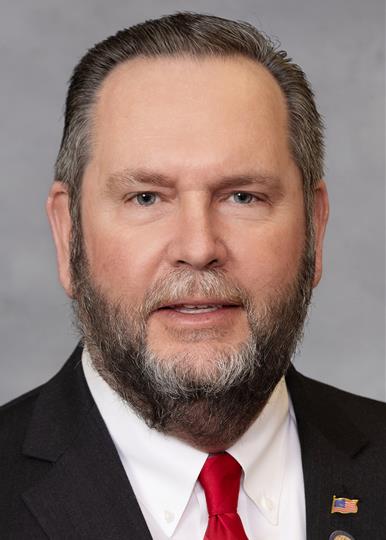
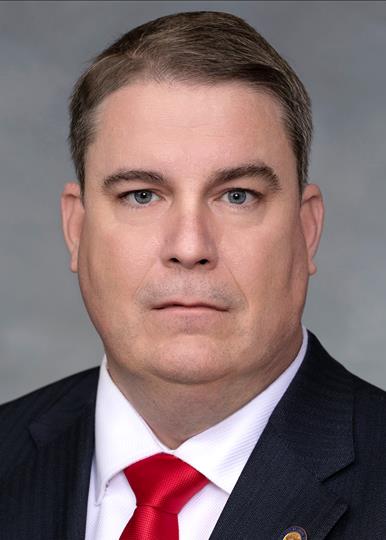
Alan Branson
Alan Branson House · District 59
R
Strong +
100% 4
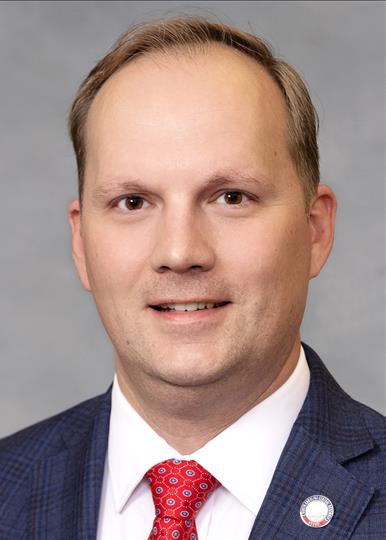
Allen Chesser
Allen Chesser House · District 25
R
Strong +
100% 4
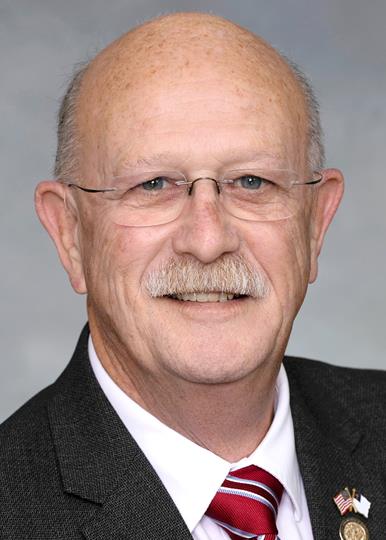
Bill Ward
Bill Ward House · District 5
R
Strong +
100% 4
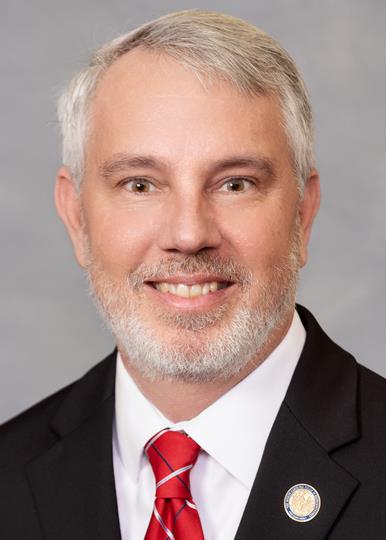
Blair Eddins
Blair Eddins House · District 94
R
Strong +
100% 4
Brenden Jones
Brenden Jones House · District 46
R
Strong +
100% 4
Aisha Dew
Aisha Dew House · District 107
D
Strong −
0% 4
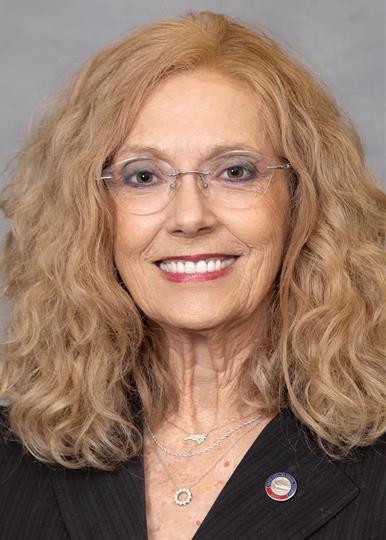
Carolyn Logan
Carolyn Logan House · District 101
D
Strong −
0% 4
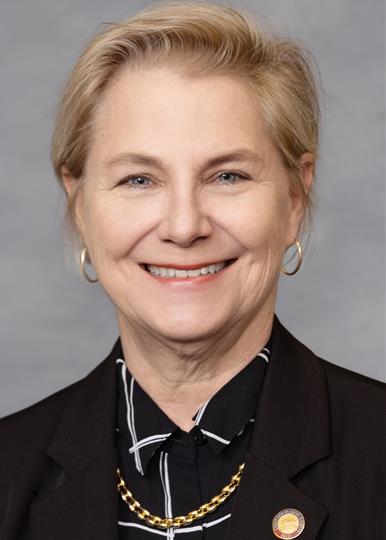
Cynthia Ball
Cynthia Ball House · District 49
D
Strong −
0% 4
Deb Butler
Deb Butler House · District 18
D
Strong −
0% 4
Jordan Lopez
Jordan Lopez House · District 112
D
Strong −
0% 4
Showing 31–40 of 212 bills

All budget & taxes bills

died · North Carolina · Senate May 5, 2026

SB 1063: Fiscal Note for All Bills Considered.

This bill requires the North Carolina General Assembly to attach a fiscal note to every piece of legislation before it is considered, ensuring lawmakers understand the financial impact of their proposals. The Fiscal Research Division must prepare these notes to estimate costs for the first five years, with specific requirements for new state buildings, programs, and laws that increase incarceration. Bills proposing changes that could lead to more people being incarcerated or staying in prison longer must include a detailed cost analysis prepared in consultation with the Sentencing Policy and Advisory Commission. The legislation also mandates that these fiscal notes be separate documents that do not express legislative intent, while providing $50,000 in funding to cover the administrative costs of implementing this new requirement.
died · North Carolina · Senate Apr 30, 2026

SB 922: Fund International Black Theatre Festival.

This bill allocates $200,000 from the state's General Fund to the City of Winston-Salem to help plan and operate the International Black Theatre Festival in 2026. The money is designated for nonrecurring expenses related to cultural programming and festival operations during July and August of that year. The funding becomes available on July 1, 2026, and is intended to support the event held in Winston-Salem.
Sub-Topics State Budget
in committee · North Carolina · House May 4, 2026

HB 1153: Budgeting Accountability and Transparency.

HB 1153 aims to increase transparency in North Carolina's state budget process by requiring more public involvement before final budget votes. The bill mandates that the General Assembly hold at least one public hearing and three committee meetings while also providing a week for citizens to submit comments online. Additionally, it makes requests for funding from state agencies and legislators public records once the budget is enacted, though it preserves legal protections for attorney-client communications. To support these new requirements, the legislation allocates $250,000 annually to the Legislative Services Commission for maintaining the online comment portal and covering hearing expenses.
Sub-Topics Appropriations Audits & Accountability State Budget Tags Government Transparency
died · North Carolina · Senate Apr 29, 2026

SB 872: Education Center at Harnett Correctional.

SB 872 allocates $30 million from the state's General Fund to build an education center at Harnett Correctional Institution in North Carolina. The funds will support specific programs for offenders, including the Sexual Offender Accountability and Responsibility Program, four-year degrees with Campbell University and Fayetteville State University, and shorter certifications or degrees with Central Carolina Community College. This legislation directly affects the Department of Adult Correction and the incarcerated population at Harnett Correctional Institution by authorizing the construction and programming of the new facility.
in committee · North Carolina · House May 4, 2026

HB 1172: The Ciji Graham Act.

HB 1172, known as the Ciji Graham Act, establishes a High-Risk Pregnancy Care Navigation Program in North Carolina to assist patients with high-risk pregnancies by providing licensed nurse consultants who help coordinate care and address access barriers. The bill also creates a statewide pregnancy consultation hotline for healthcare providers and community organizations to offer real-time clinical guidance and referrals, alongside a centralized digital hub containing clinical guidelines and provider directories. Funded through the state's General Fund starting in the 2026-2027 fiscal year, these measures aim to improve maternal health outcomes and reduce disparities by ensuring timely access to specialized care and resources.
died · North Carolina · Senate Apr 29, 2026

SB 854: Tier One County Assistance.

This bill, known as the Economic Empowerment for Tier One Counties Act, allocates $400 million from the state's General Fund to support specific counties in North Carolina designated as "development tier one areas." The Department of Commerce will distribute these funds as grants to eligible counties for projects focused on self-sufficiency, infrastructure improvements, education, or workforce development, with no single county able to receive more than $10 million. To receive funding, counties must submit a proposal detailing their plans, which the Department must approve before any money is released, and counties must submit annual reports on how they use the funds. The legislation also includes a provision requiring counties to repay any grants they receive if they are later found to be ineligible.
Sub-Topics State Budget
died · North Carolina · Senate Apr 29, 2026

SB 861: Cut State Gov. Jobs Vacant 24 Months or More.

This North Carolina bill requires state agencies to eliminate job positions that have remained vacant for at least 24 consecutive months, with the goal of reducing government spending on unfilled roles. Starting in July 2026, the Office of State Budget and Management will transfer unused salary funds associated with these long-term vacancies into a budget reserve, which cannot be spent unless the General Assembly approves it. The law includes specific exceptions, such as positions held open due to court orders, roles funded entirely by federal money, and critical jobs in 24-hour operations like public safety and inmate care. Additionally, the bill mandates that state agencies report details about eliminated or excluded positions to the General Assembly by December 2026 and establishes a permanent rule for abolishing such vacancies in future fiscal years.
died · North Carolina · Senate Apr 23, 2026

SB 780: Modernize Medicaid Primary Care Rates.

This bill proposes raising Medicaid reimbursement rates for primary care providers in North Carolina to match the rates paid by Medicare. To fund these increases, the state would allocate $48 million from its General Fund starting in the 2026-2027 fiscal year. The changes would take effect on July 1, 2026, and would apply to primary care services as defined by a specific state task force report.
died · North Carolina · Senate May 7, 2026

SB 779: Medicaid Rebase.

This bill allocates $319 million from the state's General Fund to North Carolina's Medicaid program to cover anticipated changes in enrollment, service costs, and federal funding rates. The money is designated for the Department of Health and Human Services to use starting in the 2025-2027 fiscal year, with the funding officially beginning retroactively on July 1, 2025. By adjusting available funds based on projected healthcare shifts, the legislation aims to ensure the Medicaid program has sufficient resources to operate as demographics and costs evolve.
Sub-Topics State Budget Medicaid
died · North Carolina · Senate Apr 23, 2026

SB 799: Restore State Emp/Teacher Retiree Med Benefit.

This bill prevents the elimination of medical benefits for retired teachers and state employees in North Carolina who began their careers on or after January 1, 2021. It achieves this by removing previous restrictions that would have ended these benefits and applies retroactively to December 31, 2020. To cover the resulting increase in healthcare costs, the legislation appropriates two million dollars from the state's general fund for the 2026-2027 fiscal year. The changes are scheduled to officially take effect on July 1, 2026.
Sub-Topics State Budget Teachers
Showing 31 to 40 of 212 bills
Previous 1 3 4 5 22 Next