Issue · Budget & Taxes

Budget & Taxes (Audits & Accountability)

Every budget & taxes bill, vote, and legislator stance in North Carolina, automatically classified by Maddy, our AI policy reader.

Total bills
17
2025-2026 Session
Top supporter
Jake Johnson
100% support rate
Top opponent
Aisha Dew
0% support rate
Ranked legislators
10
5 support · 5 oppose
Key legislators

Who's moving audits & accountability in North Carolina

Legislators moving audits & accountability in North Carolina
Legislator Party Stance Support rate Votes
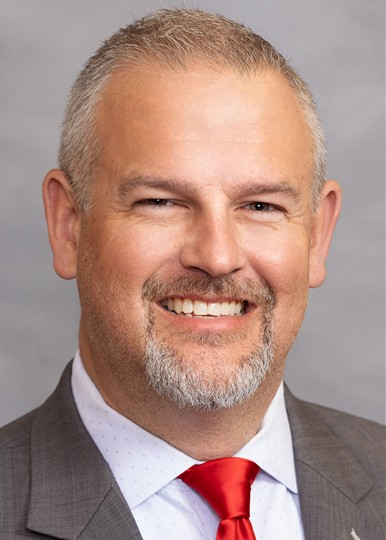
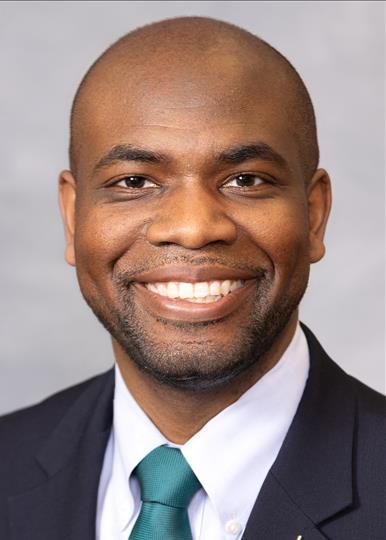
Jake Johnson
Jake Johnson House · District 113
R
Strong +
100% 5
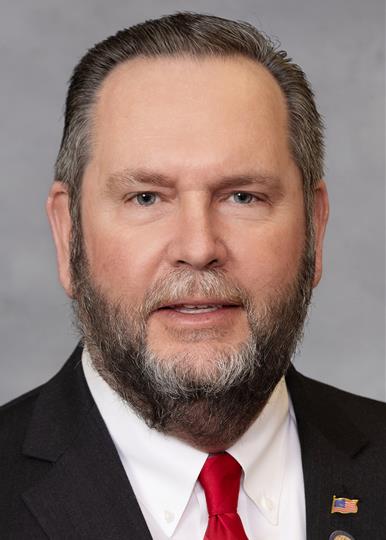
Todd Johnson
Todd Johnson Senate · District 35
R
Strong +
100% 5
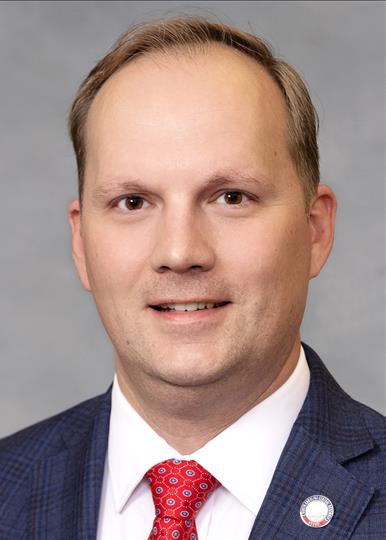
Alan Branson
Alan Branson House · District 59
R
Strong +
100% 3
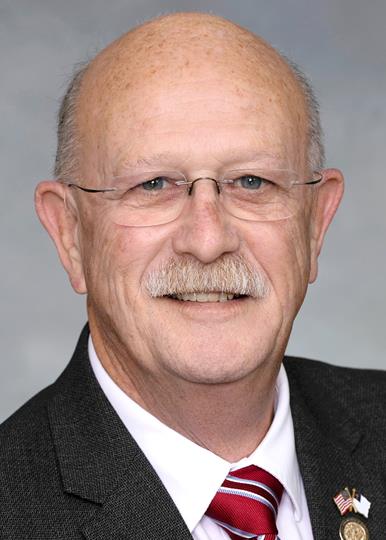
Allen Chesser
Allen Chesser House · District 25
R
Strong +
100% 3
Bill Ward
Bill Ward House · District 5
R
Strong +
100% 3
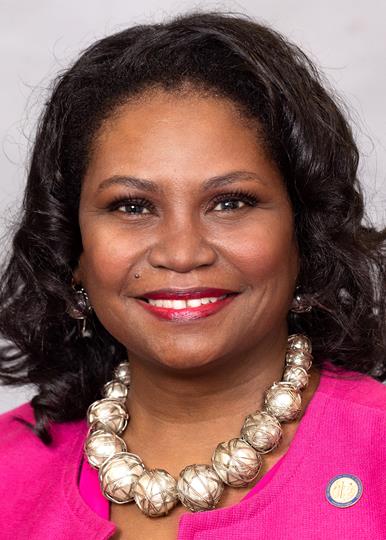
Aisha Dew
Aisha Dew House · District 107
D
Strong −
0% 3
Allen Buansi
Allen Buansi House · District 56
D
Strong −
0% 3
Allison Dahle
Allison Dahle House · District 11
D
Strong −
0% 3
Cynthia Ball
Cynthia Ball House · District 49
D
Strong −
0% 3
Deb Butler
Deb Butler House · District 18
D
Strong −
0% 3
Showing 11–17 of 17 bills

All budget & taxes bills

in committee · North Carolina · Senate Mar 26, 2025

SB 545: State Auditor to Audit General Assembly.

SB 545 requires the North Carolina State Auditor to regularly review the financial operations of the state legislature (General Assembly). This procedural bill directly affects the General Assembly by mandating periodic financial audits of its own spending and administration. The key provision amends state law to explicitly add "auditing the General Assembly" to the Auditor's responsibilities under G.S. 147-64.6(c). It does not change laws for citizens or create new policies, only establishing a routine financial review process for the legislature itself. The bill is currently pending in the Senate Rules committee.
in committee · North Carolina · Senate Mar 26, 2025

SB 543: State Auditor to Audit Private Schools.

SB 543 requires the North Carolina State Auditor to periodically audit private schools that enroll students receiving state-funded scholarship grants under specific education programs. This bill directly affects nonpublic schools participating in state scholarship initiatives, mandating regular financial reviews of their use of public funds. The key provision adds this audit responsibility to the State Auditor's duties under existing law, ensuring transparency for taxpayer dollars spent on private education. The bill focuses on concrete financial oversight without altering scholarship eligibility or program structure. (Note: The bill is currently in early legislative stages as of March 2025.)
in committee · North Carolina · House Apr 14, 2025

HB 917: Establish Data Analytics, Transparency, and Accountability (DATA) Division.

HB 917 establishes a new Data Analytics, Transparency, and Accountability Division within North Carolina's General Assembly. The bill requires all state agencies to provide the Division with requested data and access to systems (while protecting personal information), mandates annual reports from agencies like the Global TransPark Authority detailing job creation metrics and financials, and allocates $2 million for the Division's operations. This Division will oversee transparency efforts, analyze agency data, and receive reports from state entities on performance metrics and real property portfolios. The Division becomes operational starting July 1, 2025, with updated statutory references reflecting its new name.
signed · North Carolina · Senate Jul 8, 2026

SB 474: Adjust Counties/Reappraisal Moratorium.

SB 474, the DAVE Act, creates a new Division of Accountability, Value, and Efficiency within North Carolina's State Auditor's office. It requires all state agencies to report by October 2025 on how they spend public funds and list vacant positions held for six months or longer, including reasons for vacancies. The Division will assess whether agencies or specific positions remain necessary, using AI tools to analyze spending effectiveness, duplication, and budget use. By December 2025, the Division must recommend to the legislature which agencies or positions should be eliminated based on this review.
died · North Carolina · Senate Mar 6, 2025

SB 247: Redirect Crisis Pregnancy Center Funds.

SB 247 redirects $6.25 million annually from crisis pregnancy centers to evidence-based maternal and infant health programs administered by North Carolina's Department of Health and Human Services, starting July 2025. It requires the State Auditor to audit Carolina Pregnancy Care Fellowship by March 2026 and mandates detailed reporting from all crisis pregnancy centers receiving state funds. These centers must disclose service types, demographics of clients, funding sources, and whether they misrepresent as medical facilities. The bill aims to increase transparency and reallocate resources toward proven maternal health initiatives.
signed · North Carolina · House Jul 29, 2025

HB 402: Limit Rules With Substantial Financial Costs.

HB 402 requires North Carolina state agencies to assess the financial impact of proposed permanent rules. If a rule would cost affected individuals or businesses $20 million or more over five years, it must be approved by the General Assembly before taking effect. For rules with a $1 million or more annual cost impact, agencies must prepare a fiscal note for review by the Office of State Budget and Management. The bill also mandates a two-thirds vote by agency boards to adopt rules exceeding the $1 million cost threshold. This directly affects state agencies creating regulations and the businesses or residents who would bear the costs of those rules.
signed · North Carolina · House Aug 6, 2025

HB 125: Continuing Budget Operations.

HB 125 establishes budget operations for North Carolina's 2025-2027 fiscal biennium, primarily allocating $142 million in one-time funds for agricultural disaster relief related to 2024 crop losses. It requires recipients to first seek insurance or federal aid before using state funds, and to return state funds if alternative sources are secured. The bill directly affects farmers, institutions of higher education, and other entities receiving disaster aid, mandating transparency through reporting to the State Auditor. Crucially, it prohibits the Governor from using these disaster funds for general budget adjustments or reallocations.
Showing 11 to 17 of 17 bills