

Issue · Budget & Taxes
Budget & Taxes
Every budget & taxes bill, vote, and legislator stance in North Carolina, automatically classified by Maddy, our AI policy reader.
Total bills
687
2025-2026 Session
Top supporter
Mitchell Setzer
100% support rate
Top opponent
Amanda Cook
0% support rate
Ranked legislators
10
5 support · 5 oppose
Key legislators
Who's moving budget & taxes in North Carolina
| Legislator | Party | Stance | Support rate | Votes |
|---|---|---|---|---|
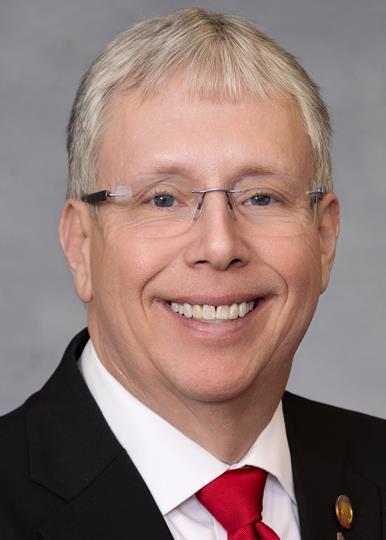
Mitchell Setzer
House · District 89
|
R |
Strong +
|
100% | 52 |
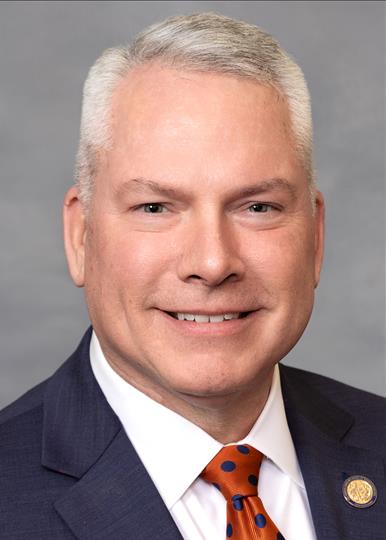
Grant Campbell
House · District 83
|
R |
Strong +
|
100% | 50 |
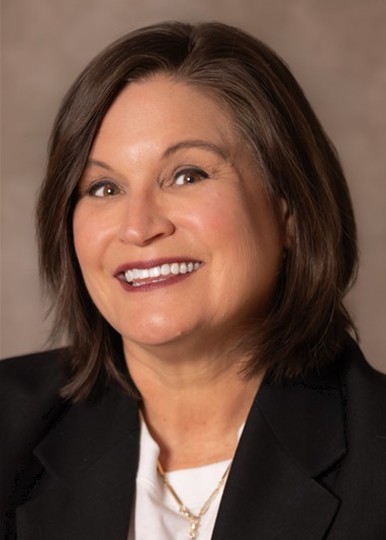
Anna Ferguson
House · District 119
|
R |
Strong +
|
100% | 20 |
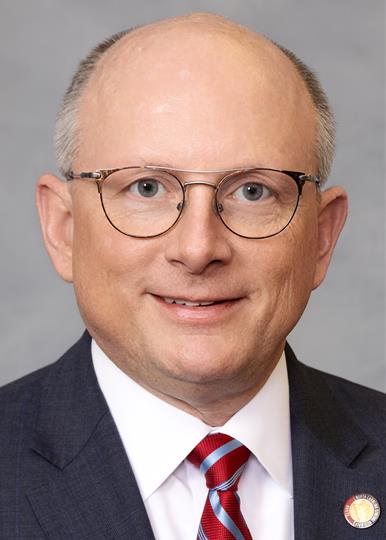
Tim Reeder
House · District 9
|
R |
Strong +
|
100% | 51 |
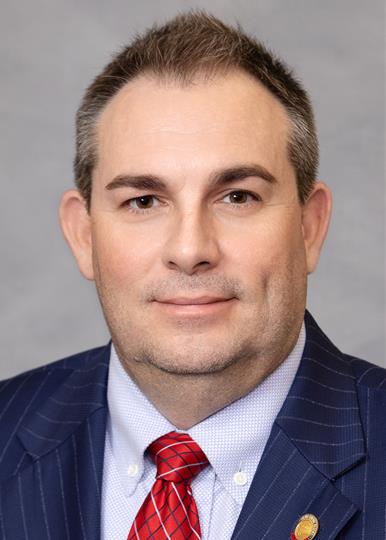
John Bell
House · District 10
|
R |
Strong +
|
100% | 50 |

Amanda Cook
House · District 60
|
D |
Strong −
|
0% | 20 |
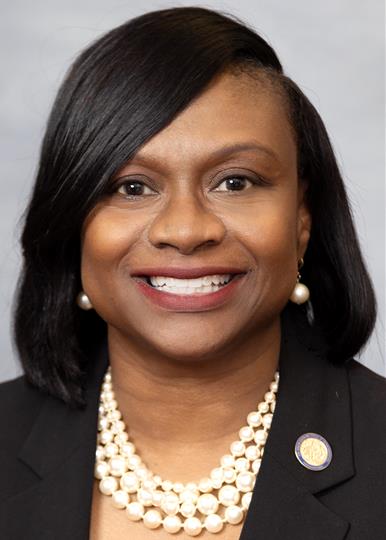
Monika Johnson-Hostler
House · District 33
|
D |
Strong −
|
8% | 52 |

Marcia Morey
House · District 30
|
D |
Strong −
|
8% | 52 |
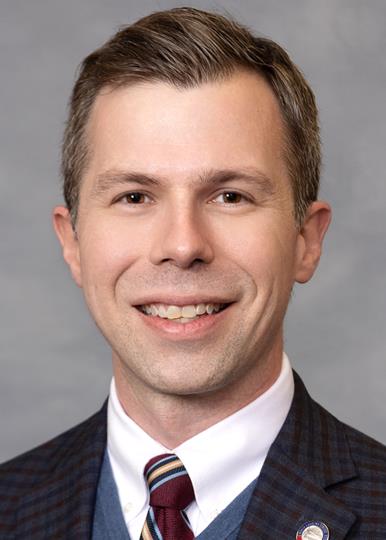
Phil Rubin
House · District 40
|
D |
Strong −
|
8% | 51 |
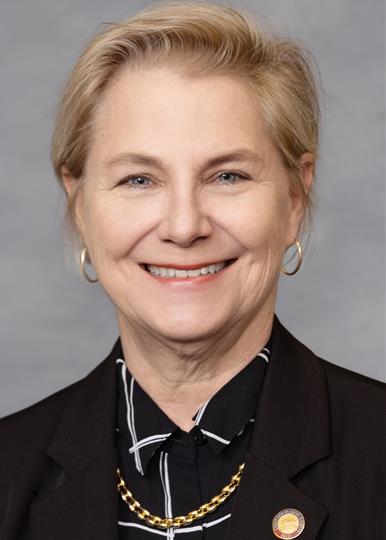
Deb Butler
House · District 18
|
D |
Strong −
|
8% | 50 |
Showing 111–120 of 687
bills
All budget & taxes bills
SB 907: The Ciji Graham Act.
Topics
✓ Budget & TaxesSupports Budget & TaxesBill establishes a new healthcare program requiring state appropriations and funding to support high-risk pregnancy care.
✓ HealthcareSupports HealthcareBill establishes a new program to assist high-risk pregnancies, improving patient access and care coordination.
SB 914: 2026 Appropriations Act.
Topics
✓ Budget & TaxesSupports Budget & TaxesBill allocates state funding for 2026-2027 operations, directly advancing budget appropriations and supporting essential government services.
✓ TransportationSupports TransportationBill allocates funding from the State Highway Fund and Highway Trust Fund for transportation maintenance and federal block grants.
HB 1054: Government Employee Raises and Retiree Cost-of-Living Adjustment.
Topics
✓ Budget & TaxesSupports Budget & TaxesBill establishes new salary schedules and funding for public school teachers and staff, directly increasing appropriations for education services.
✓ EducationSupports EducationBill establishes new salary schedules and bonuses for teachers and principals, directly increasing compensation and supporting educators.
✓ Labor & EmploymentSupports Labor & EmploymentBill establishes new salary schedules and increases pay for public school teachers and staff, directly advancing worker compensation and benefits.
Sub-Topics
Teachers
SB 1021: Funds for Pineville Pedestrian Beacon.
Topics
✓ Budget & TaxesSupports Budget & TaxesBill allocates state funds to finance a pedestrian safety project, directly increasing funding for public infrastructure and safety services.
✓ TransportationSupports TransportationBill allocates funds to construct a pedestrian hybrid beacon and crosswalk, directly enhancing transportation safety and infrastructure.
HB 1081: Veterans/Hyperbaric Oxygen Therapy/Funds.
Topics
✓ Budget & TaxesSupports Budget & TaxesBill appropriates $3 million from the General Fund to fund free hyperbaric oxygen therapy for veterans, directly increasing state spending on essential public services.
✓ HealthcareSupports HealthcareBill allocates $3M to provide free hyperbaric oxygen therapy to veterans with TBI and PTSD, expanding access to specialized mental and physical health services.
✓ VeteransSupports VeteransBill allocates $3M to provide free hyperbaric oxygen therapy to veterans with TBI or PTSD, expanding healthcare benefits.
Sub-Topics
State Budget
HB 1154: Expand the FarmSHARE Food Hub Program.
Sub-Topics
State Budget
SB 1034: Fund Drug Treatment/Mental Health Courts.
Topics
✓ Budget & TaxesSupports Budget & TaxesBill allocates $4.2M in recurring state funds to support drug treatment and mental health courts, directly increasing funding for public services.
✓ Criminal JusticeSupports Criminal JusticeBill allocates funding to establish courts for substance use and mental health, promoting rehabilitation and reducing recidivism.
✓ HealthcareSupports HealthcareBill allocates $4.2M to fund drug treatment and mental health courts, directly advancing healthcare access and services.
HB 1122: Expand Disabled Veteran Property Tax Exclusion.
Topics
✓ Budget & TaxesSupports Budget & TaxesBill expands tax exemptions for disabled veterans and provides state reimbursement to offset local revenue loss, directly supporting tax relief and fiscal management.
✓ HousingSupports HousingBill expands property tax exemption for disabled veterans, directly reducing housing costs and supporting affordable housing access for a vulnerable group.
✓ VeteransSupports VeteransBill expands property tax exemption for disabled veterans and their spouses, directly strengthening financial benefits.
Sub-Topics
Property Tax
Revenue
Tax Incentives
Property Taxes
Veteran Benefits
Veteran Healthcare
Veteran Housing
SB 873: Innovations Waiver Tiers.
Topics
✓ Budget & TaxesSupports Budget & TaxesBill directs creation of a tiered financial assistance program for Medicaid waiver recipients, increasing funding for essential health services.
✓ HealthcareSupports HealthcareBill creates a tiered financial assistance program to fund Innovations waiver benefits, directly expanding access and funding for individuals with developmental disabilities.