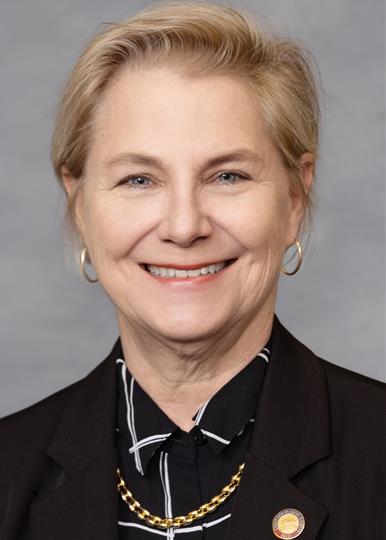
This bill, known as the Mike Clampitt 1st Responder Tax Fairness Act, aims to expand tax exemptions for volunteer fire departments and rescue squads in North Carolina. Specifically, it allows these independent groups, which have two or fewer paid employees and are already exempt from state income tax, to avoid paying a highway use tax on specific emergency vehicles like fire trucks, forest firefighting units, and other emergency service vehicles. The change applies to vehicles when a certificate of title is issued on or after July 1, 2026, ensuring these organizations can acquire necessary equipment without incurring this particular tax. By broadening the existing exemption, the legislation directly benefits volunteer responders who operate outside of local government units.
This bill reduces the amount low-income families must pay for state-subsidized child care in North Carolina starting in October 2026. It lowers the required parent contribution from 10% of gross family income to 7%, with specific adjustments for part-time and blended-rate care. To fund this reduction, the state will allocate $25 million from the General Fund to the Department of Health and Human Services beginning in the 2026-2027 fiscal year. The legislation takes effect on July 1, 2026, and applies to families currently participating in the child care subsidy program.
SB 940, titled the 2026 Appropriations Act, allocates state funds for the 2026-2027 fiscal year to support the daily operations of North Carolina state agencies, departments, and institutions. The bill distributes money from the General Fund, the Highway Fund, and the Highway Trust Fund to cover essential services, including transportation maintenance, while also funding federal block grants for health and other programs. It incorporates existing budget rules and applies only to the specific fiscal year unless other laws indicate a longer duration. The legislation becomes effective on July 1, 2026, and includes standard provisions ensuring that any remaining funds revert to their original sources at the end of the year.
This bill provides funding and expanded flexibility for North Carolina's Children of Wartime Veterans Scholarship Program, directly affecting eligible children of veterans attending state colleges and universities. It appropriates $1 million for the 2025-2026 academic year to increase award amounts for students whose scholarships were previously reduced, with any leftover funds reserved for additional scholarships starting in 2026-2027. For the 2026-2027 academic year, the bill allocates $10 million to double the number of available scholarships from 100 to 200 per class and extends administrative flexibility to allow officials to adjust award amounts, prioritize applicants, and manage room and board payments based on available funds. The legislation also permits the use of up to 2.5% of the program's budget for administrative costs and requires that all scholarship awards be contingent upon the availability of money.
This bill proposes a constitutional amendment that would withhold the salaries and allowances of North Carolina General Assembly members if the legislature fails to pass a state budget by June 30. Under the proposed change, legislators would not receive any pay from July 1 until a budget is officially ratified or the current legislative term ends, whichever happens first. The amendment is currently in the process of being submitted to voters for approval at the November 2026 election. If approved by a majority of voters, the rule would become permanent law; if rejected, it will have no effect.
HB 1145 allocates $2.5 million from the Highway Fund to the North Carolina Department of Transportation for the 2026-2027 fiscal year. These funds are designated to upgrade utilities and street infrastructure at the intersection of Highway 49 and Eastway Drive. The primary goal of this project is to improve pedestrian safety at this specific location. The legislation takes effect on July 1, 2026.
HB 1181 modifies North Carolina's property tax relief programs for seniors and disabled individuals by increasing the income limit for married couples and eliminating deferred tax liability under the homestead circuit breaker. The bill expands eligibility for the circuit breaker to include homeowners earning up to 70% of the area median income and introduces an alternative tax calculation for those who have owned their homes for at least 10 years. Additionally, the legislation appropriates funds to assist counties with property reappraisals and imposes an excise tax on the transfer of controlling interests in entities that hold real property interests.
This bill, titled the Kids Over Corporations Act, would stop the scheduled elimination of the corporate income tax in North Carolina and instead set a permanent rate of five percent. It directly affects C corporations operating in the state by requiring them to pay this tax, while S corporations remain exempt from the levy. The law includes a temporary phase-in schedule where the tax rate starts at 2.25% in 2025 and gradually decreases to zero after 2029, though the bill's title suggests a permanent five percent rate. The legislation applies to taxable years beginning on or after January 1, 2026, and aims to ensure corporations contribute to public services funded by state revenue.
This bill repeals the authority for North Carolina counties to collect a one percent local sales tax on groceries, effectively exempting food from these local taxes. By removing the option for voters to approve this specific tax, the legislation directly affects county governments and consumers who currently pay this surcharge on food purchases. The change applies to sales made on or after October 1, 2026, and does not alter the existing state sales tax rules.
This bill expands sales tax exemptions in North Carolina for specific nonprofit organizations and adds a new exemption for diapers and incontinence underpads prescribed by Medicaid providers. It clarifies which types of nonprofits, such as hospitals and certain 501(c)(3) groups, qualify for tax-free purchases of goods and services needed for their operations, while explicitly excluding certain utility services and liquor. The legislation also establishes a formal application process requiring nonprofits to obtain an exemption number from the state and imposes liability for back taxes if the exemption number is misused. Additionally, the bill modifies ownership rules for property used by charities and sets annual dollar limits on the total tax exemptions and refunds available to eligible entities.