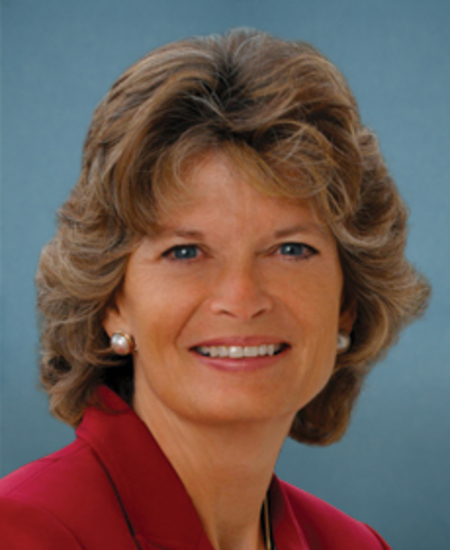
Maddy summaryThis resolution honors the life and legacy of the late Senator Lindsey Olin Graham from South Carolina. It formally acknowledges his extensive career in the military, state government, and Congress, noting his service as a Senator and his roles as Chairman of the Judiciary and Budget committees. The Senate expresses its sorrow over his death and requests that this tribute be shared with the House of Representatives and Graham's family.
Sponsored bills
Maddy summaryThis bill establishes a comprehensive sanctions framework targeting the Russian government and its affiliated entities in response to ongoing military actions. It authorizes the President to block assets, revoke visas, and prohibit financial transactions for Russian officials, military leaders, and foreign persons supporting Russia's defense industry or undermining Ukraine. The legislation also bans U.S. investments in Russian energy sectors, prohibits the purchase of Russian sovereign debt, and imposes high tariffs on Russian imports while restricting crude oil purchases by specific foreign nations. Additionally, the bill prevents Russian companies from listing on U.S. stock exchanges and includes mechanisms for terminating sanctions only if Russia signs a peace agreement accepted by Ukraine and ceases hostilities.
Maddy summaryThe Welcome Back to the Health Care Workforce Act authorizes federal grants to help internationally educated health care professionals integrate into the U.S. workforce. These funds will be awarded to groups such as hospitals, universities, and government agencies that partner to provide career support, including licensing assistance, English language training, and mentoring programs. The legislation prioritizes projects that address workforce shortages in rural areas and communities with significant gaps in health care staffing. Recipients must use at least 20 percent of the grant money for system-wide improvements like employer education and career ladders, while the rest can support individual needs such as exam preparation and living expenses. The bill also requires grant recipients to submit annual reports on how many professionals they helped employ and retain.
Maddy summaryThis bill modifies federal laws governing tribal land leases and rights-of-way to streamline economic development on tribal lands. It allows tribes to grant land use agreements (rights-of-way) over tribal land without federal approval, provided they have tribal regulations approved by the Secretary of the Interior. Tribes must submit these regulations for review within 180 days, including environmental assessments, but the bill exempts tribes from federal environmental laws like NEPA during this process. The bill directly affects Native American tribes, developers seeking access to tribal land, and the federal government’s oversight role under trust responsibilities. It aims to accelerate commerce and economic projects while maintaining tribal sovereignty and federal trust obligations.
Older Americans Act Reauthorization Act of 2025 This bill reauthorizes through FY2030, modifies, and establishes programs under the Older Americans Act, which supports social services and activities for individuals aged 60 years or older. Reauthorized programs and activities include the national eldercare locator service; regional aging and disability resource centers; grants to support counseling and assistance on pensions and other retirement benefits; grants to support home-delivered nutrition services (sometimes referred to as meals on wheels programs); programs to facilitate the delivery of supportive services to tribal organizations; and programs to prevent elder abuse, neglect, and exploitation. The bill also modifies existing programs for older individuals, including by explicitly permitting states to use certain grant funds to make carryout meals available at congregate meal sites or community locations. (Some providers began offering carryout meals to seniors in response to the COVID-19 pandemic.) Further, the bill permits the Administration on Aging to establish and operate, through grants to or contracts with eligible entities, a national resource center to support growth of the direct care workforce. The center’s activities may include the provision of training and technical assistance and the promotion of strategies to recruit and retain direct care workers. Finally, the bill establishes or reconvenes certain advisory groups, including (1) an advisory committee to provide guidance regarding the needs of older Native Americans and the implementation of related programs, and (2) a White House Conference on Aging to recommend improvements to federal programs that serve older individuals.
Maddy summaryThis bill establishes the Native Children's Commission Implementation Act of 2026 to improve health, education, and safety outcomes for Native American, Alaska Native, and Native Hawaiian children and families. It creates several new advisory committees within federal agencies to provide ongoing guidance on issues such as juvenile justice, maternal health, substance abuse, and environmental protection. The legislation also authorizes grants and pilot programs to expand access to mental health services, increase the perinatal workforce, support Native language schools, and provide housing assistance for homeless youth and families. Additionally, it modifies existing laws to allow Tribes greater flexibility in administering nutrition and child care programs while ensuring they receive adequate funding for administrative costs.
Maddy summaryThe American Energy and Mineral Infrastructure Act of 2026 streamlines the permitting process for natural gas pipelines and other energy projects by designating the Federal Energy Regulatory Commission as the sole lead agency for environmental reviews and establishing strict deadlines for federal and state agencies to complete their portions of the review. The bill also modifies water quality laws to reduce the number of required certifications for discharges into navigable waters, extends the validity of certain nationwide permits for dredged or fill material from five to ten years, and creates a new fund to address abandoned hardrock mines. Additionally, the legislation updates the National Environmental Policy Act to limit the scope of environmental reviews to effects directly caused by a project, impose specific timelines for agency decisions, and restrict the ability of courts to issue injunctions that would halt construction while legal challenges are pending.
Maddy summaryThe SAFE Banking Act of 2026 aims to reduce legal risks for banks and credit unions that provide financial services to businesses operating marijuana or hemp industries under state laws. It establishes a "safe harbor" that prevents federal regulators from penalizing, terminating insurance for, or restricting these institutions solely because they serve state-sanctioned marijuana or hemp companies. The bill also clarifies that income from these businesses can be used to qualify for federally backed mortgages and protects banks from liability regarding money laundering charges when dealing with compliant state operations. Additionally, the legislation requires federal agencies to update guidance on how to handle suspicious activity reports for these sectors and mandates annual studies on access to financial services for minority and small businesses in the industry.
Maddy summaryThe National Fab Lab Network Act of 2026 creates a new nonprofit corporation to establish and connect a national network of digital fabrication facilities, known as fab labs, across the United States. These labs are designed to provide communities with access to advanced manufacturing tools that allow individuals to create goods and products from digital designs, with a specific goal of placing at least one lab in every congressional district while prioritizing underserved areas. The corporation will coordinate this network by setting operational standards, maintaining a registry of labs, and distributing funds to support the creation and sustainable operation of these facilities. Its board of directors will be composed of representatives from diverse sectors, including education, tribal communities, and the private sector, and will be appointed by Senate and House leadership. Additionally, the organization is required to submit annual reports to congressional committees detailing its activities and progress.
Maddy summaryThe PREVENT Act directs the Centers for Disease Control and Prevention to establish and expand a federal program dedicated to preventing child sexual abuse. This initiative would fund research to identify current gaps in prevention efforts, improve data collection on abuse cases including those involving technology, and develop evidence-based strategies to protect children. The legislation authorizes $6,000,000 in funding annually for each of the fiscal years 2027 through 2031 to support these activities. Ultimately, the bill aims to enhance understanding of risk factors and strengthen existing policies to address child sexual abuse more effectively.