

In committee Sep 24, 2026
1 co-sponsor
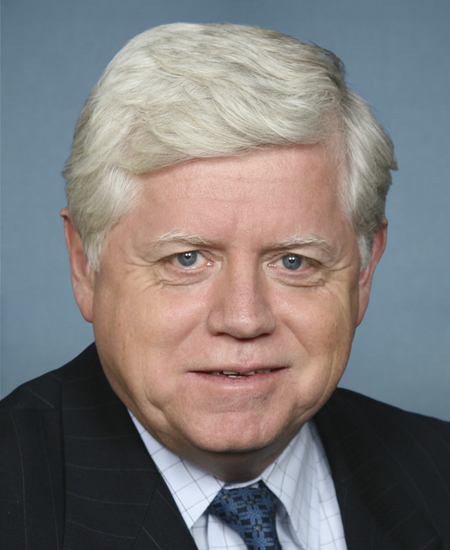
Rep. John B. Larson
Total votes
2,837
all sessions
Attendance
97%
72 missed
Near the chamber average
With party
98%
of cast votes
Higher than 88% of chamber peers
Bipartisan score
1%
crosses aisle rarely
Lower than 89% of chamber peers
Sponsored
1,149
bills & resolutions
Near the chamber average
Committees
3
assignments
1,149 bills and resolutions
Sponsored bills
Total
1,149
Primary
39
Co-sponsor
1,110
This page
1,149
matching current filters
In committee Sep 24, 2026
1 co-sponsor
In committee Sep 24, 2026
1 co-sponsor
Firefighter PFAS Injury Compensation Act of 2026
Maddy summaryThe Firefighter PFAS Injury Compensation Act of 2026 establishes a no-fault compensation program to provide financial awards to firefighters who have served for at least two years and developed specific health conditions linked to exposure to per- and polyfluoroalkyl substances (PFAS). Eligible claimants, including deceased firefighters' estates or heirs, can receive base payments of $250,000 for cancer diagnoses or $50,000 for other covered illnesses, with amounts adjusted by a multiplier based on the firefighter's years of service. The program is funded through a new PFAS Trust Fed, which receives revenue from two new excise taxes: a 10 percent tax on the sale of products containing PFAS and a 10 percent tax on payments made in PFAS-related litigation settlements or court orders that do not involve personal injury claims.
Budget & TaxesSupports Budget & TaxesThe bill establishes a compensation program to provide financial awards to firefighters, which involves government spending and fiscal management. This directly relates to the Budget & Taxes topic by funding an essential program.
HealthcareSupports HealthcareThe bill establishes a compensation program for firefighters with health conditions linked to PFAS exposure, providing financial awards for cancer and other illnesses. This directly supports healthcare for affected individuals.
In committee Sep 16, 2026
1 co-sponsor
ASAP Act
Maddy summaryThis bill would require Medicare to cover early detection screening tests for Alzheimer's disease and related dementias starting January 1, 2028. It defines eligible tests as FDA-cleared genomic blood tests, blood product analyses, or equivalent medical imaging methods (like protein expression or whole genome sequencing) that detect pre-symptomatic or early-stage conditions. Medicare beneficiaries would receive this coverage without cost-sharing for these specific screenings. The bill amends Medicare coverage rules to explicitly include these tests under Section 1861(nnn) of the Social Security Act.
In committee Sep 16, 2026
1 co-sponsor
AM Radio for Every Vehicle Act of 2025
Maddy summaryThis bill requires all new passenger vehicles manufactured for sale in the U.S. to include AM radio as standard equipment (not an optional add-on) by 2027-2028, depending on manufacturer size. It mandates that AM radio receivers must be easily accessible to drivers and allows compliance through digital AM broadcast technology. During a transition period, manufacturers must clearly label vehicles without AM radio but cannot charge extra for this feature. The bill also mandates a GAO study on AM radio's role in emergency alerts and includes a 10-year sunset provision for the rule. It preempts state laws regarding AM radio access in vehicles.
Passed Sep 16, 2026
1 co-sponsor
Local Communities & Bird Habitat Stewardship Act of 2026
Maddy summaryThe Local Communities & Bird Habitat Stewardship Act of 2025 establishes the Urban Bird Treaty Program, which provides grants and technical assistance to local groups - including cities, nonprofits, community organizations, and academic institutions - to protect and restore urban bird habitats. Key provisions include funding for habitat restoration (e.g., removing invasive species and planting native plants), reducing urban bird hazards, and engaging communities in monitoring and education. The program, administered by the National Fish and Wildlife Foundation, authorizes $1 million annually from 2026 to 2032 for projects focused on conserving urban bird populations through collaborative local efforts. It directly affects communities seeking to enhance green spaces and support bird conservation in populated areas.
Passed Sep 15, 2026
1 co-sponsor
Recognizing the 25th anniversary of the terrorist attacks of September 11, 2001, honoring the memory of the victims, recognizing the courage and sacrifice of the heroes who answered the call to serve, acknowledging the charitable organizations that continue to support survivors and victims' families, and reaffirming the enduring commitment of the United States to never forget.
Maddy summaryThis House resolution marks the 25th anniversary of the September 11, 2001 terrorist attacks by formally honoring the memory of the nearly 3,000 victims and recognizing the sacrifices made by first responders, military personnel, and the passengers of United Airlines Flight 93. The bill acknowledges the ongoing health challenges faced by survivors and responders, highlighting the role of the World Trade Center Health Program in providing long-term medical support. It also credits charitable organizations and community groups that have continued to assist victims' families and veterans over the past two decades. Finally, the resolution urges the American public to observe the anniversary with ceremonies and reaffirms Congress's commitment to remembering the events and lessons of that day.
In committee Sep 3, 2026
1 co-sponsor
Presidential Tax Accountability and Audit Integrity Act
Maddy summaryThis bill, known as the Presidential Tax Accountability and Audit Integrity Act, prevents the President and their close family members or related business associates from entering into agreements that waive or release federal tax debts while the President is in office. It stops the IRS from honoring any such waivers or orders made during the President's term and requires the agency to publicly report the identities of any taxpayers affected by these instruments within seven days. Additionally, the law ensures that the standard time limits for the government to collect unpaid taxes or sue for collection do not expire until at least three years after the President leaves office. These measures aim to increase transparency and maintain the integrity of the tax system by restricting special treatment for the highest office holder and their connections.
In committee Aug 6, 2026
1 co-sponsor
Protect American Values Act
Maddy summaryThe Protect American Values Act prohibits the use of federal funds to implement, administer, or enforce a specific Department of Homeland Security rule regarding the "Public Charge" ground of inadmissibility. This legislation directly affects immigrants and mixed-status families by preventing the government from using public benefits as a factor in determining eligibility for lawful permanent resident status. The bill includes a statement of congressional intent arguing that the targeted rule would restrict access to essential services like food, medical care, and housing, while also negatively impacting state and local economies. By cutting off funding for this specific policy, the act aims to maintain current immigration standards and prevent what Congress describes as an unauthorized reversal of long-standing law.
In committee Aug 6, 2026
1 co-sponsor
Ask Maddy
·
AI policy assistant
Ask Maddy about John B. Larson
Scope: new-york
Hi! I can help you understand John B. Larson's legislative record. What would you like to know?
Try one of these
i
Maddy answers using official bill text and legislative records. Always verify before sharing.
Sources cited inline