

Issue · Technology
Technology (Consumer Data Protection)
Every technology bill, vote, and legislator stance in New York, automatically classified by Maddy, our AI policy reader.
Total bills
141
2025 Regular Session
Top supporter
Sam Sutton
88% support rate
Top opponent
Mario Mattera
18% support rate
Ranked legislators
10
5 support · 5 oppose
Key legislators
Who's moving consumer data protection in New York
| Legislator | Party | Stance | Support rate | Votes |
|---|---|---|---|---|

Sam Sutton
Senate · District 22
|
D |
Strong +
|
88% | 8 |
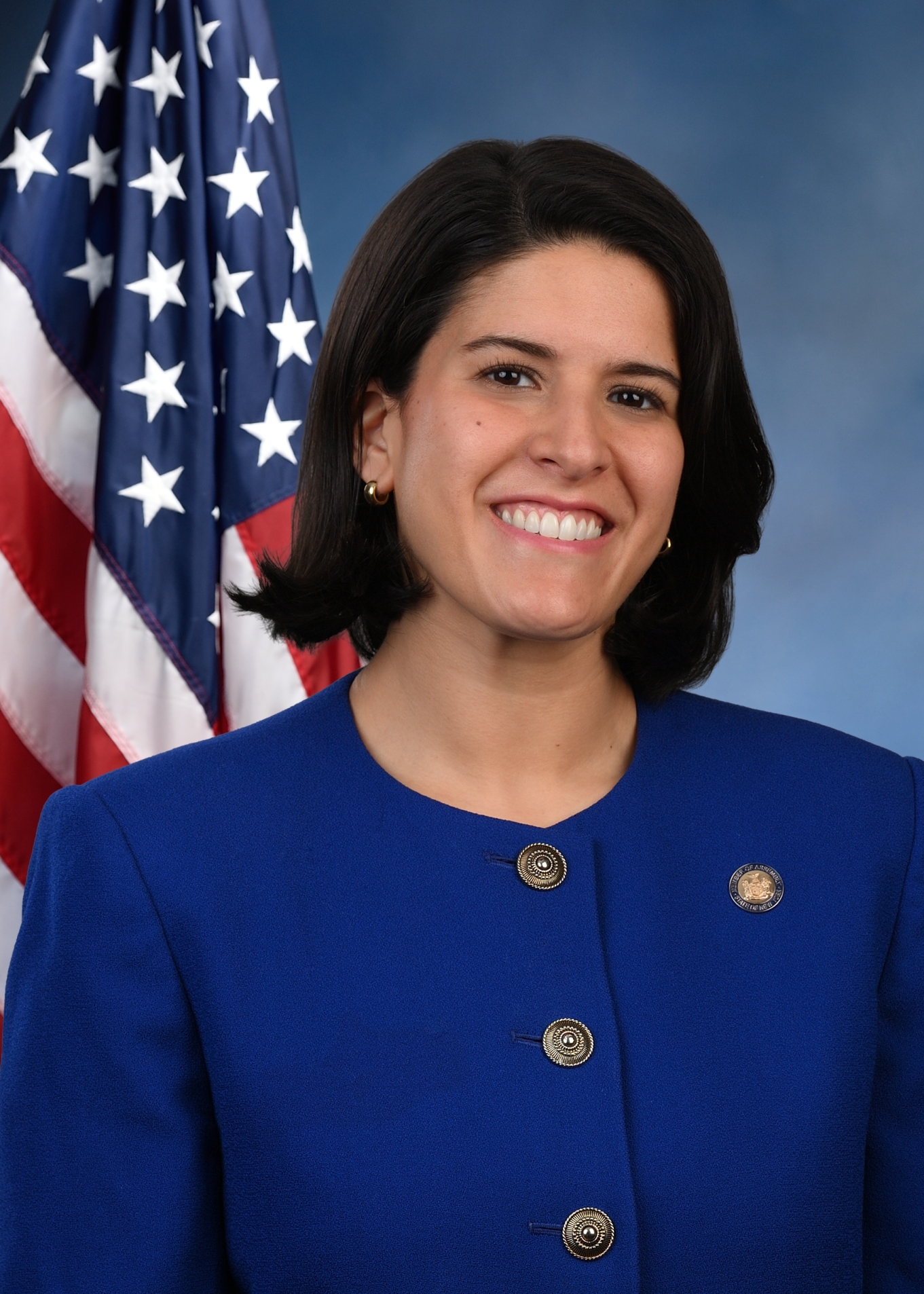
Pat Fahy
Senate · District 46
|
D |
Strong +
|
80% | 15 |

Jessica Ramos
Senate · District 13
|
D |
Support
|
79% | 14 |

Chris Ryan
Senate · District 50
|
D |
Support
|
77% | 22 |

Rachel May
Senate · District 48
|
D |
Support
|
77% | 22 |

Mario Mattera
Senate · District 2
|
R |
Strong −
|
18% | 17 |
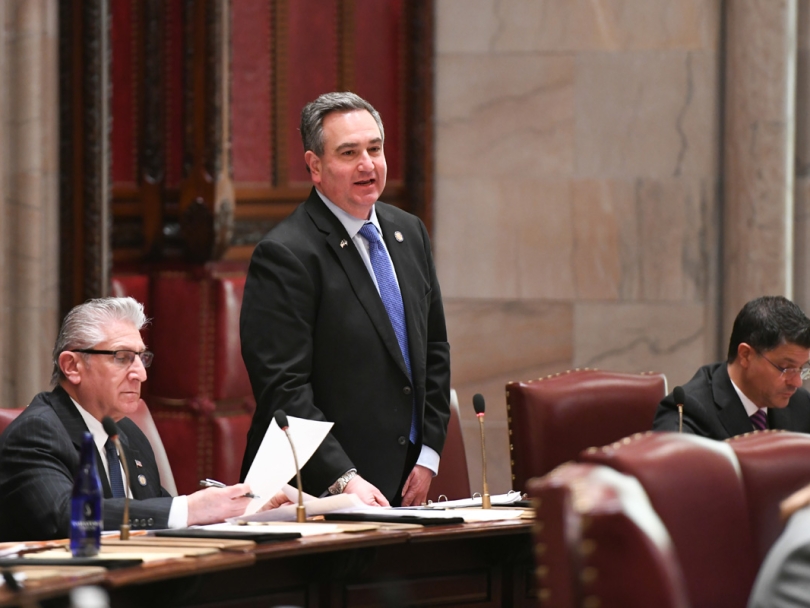
George Borrello
Senate · District 57
|
R |
Oppose
|
27% | 15 |

Jake Ashby
Senate · District 43
|
R |
Oppose
|
27% | 15 |

Tom O'Mara
Senate · District 58
|
R |
Oppose
|
29% | 17 |
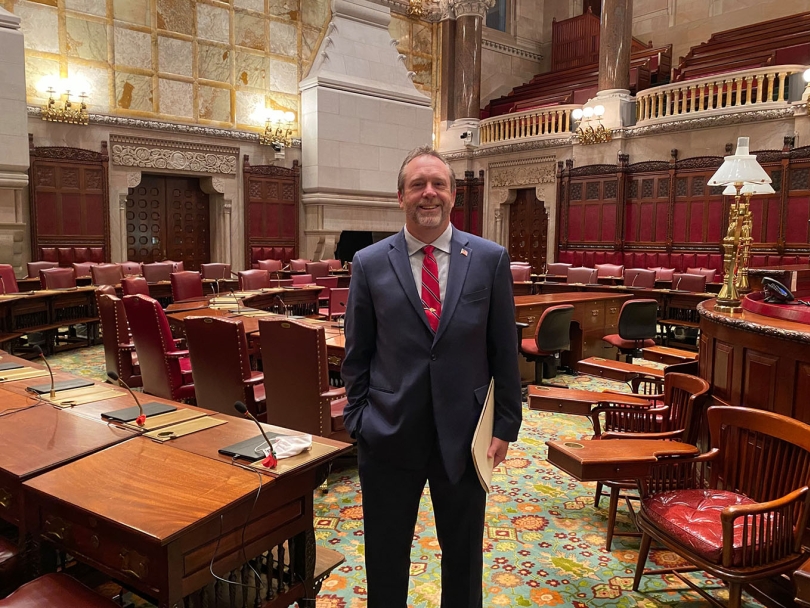
Peter Oberacker
Senate · District 51
|
R |
Oppose
|
31% | 13 |
Showing 61–70 of 141
bills
All technology bills
A 4047: Relates to prohibiting the release of consumption data
S 6867: Relates to the sale of personal information by an internet service provider
S 1551: Relates to prohibiting the release of consumption data
Topics
✓ Criminal JusticeSupports Criminal JusticeProhibits warrantless law enforcement access to consumer data, protecting civil rights and limiting overreach in criminal investigations.
✓ TechnologySupports TechnologyBill explicitly protects consumer data privacy by requiring warrants/consent for energy consumption data disclosure, directly aligning with data privacy indicators in technology policy.
S 4270: Relates to establishing the online consumer protection act
S 7426: Relates to the unlawful use of a New York driver's license or identification card
Sub-Topics
Consumer Data Protection
A 4065: Requires social media networks to verify the age of account holders
S 7713: Restricts the use of automatic license plate reader information
Topics
✓ Criminal JusticeSupports Criminal JusticeRestricts law enforcement data use to protect reproductive health care access, aligning with civil rights protections in criminal justice reform.
✓ HealthcareSupports HealthcareBill prohibits using license plate data to enforce laws restricting reproductive healthcare access, directly protecting patient rights in healthcare services.
✓ TechnologySupports TechnologyRestricts sharing of ALPR data to prevent misuse in health care enforcement, directly strengthening data privacy protections under technology policy.
S 4875: Requires manufacturers to provide access to motor vehicle data to motor vehicle owners and designees
A 1447: Relates to the use of facial recognition and biometric information for determining probable cause
Topics
✓ Criminal JusticeSupports Criminal JusticeProhibits facial recognition as sole factor for probable cause, protecting civil rights and preventing misuse in arrests - aligns with reform goals.
✓ TechnologySupports TechnologyProhibits sole use of facial recognition for probable cause, enhancing data privacy protections by restricting biometric surveillance in law enforcement.