Issue · Technology

Technology (Consumer Data Protection)

Every technology bill, vote, and legislator stance in New York, automatically classified by Maddy, our AI policy reader.

Total bills
148
2025 Regular Session
Top supporter
Sam Sutton
88% support rate
Top opponent
Mario Mattera
18% support rate
Ranked legislators
10
5 support · 5 oppose
Key legislators

Who's moving consumer data protection in New York

Legislators moving consumer data protection in New York
Legislator Party Stance Support rate Votes
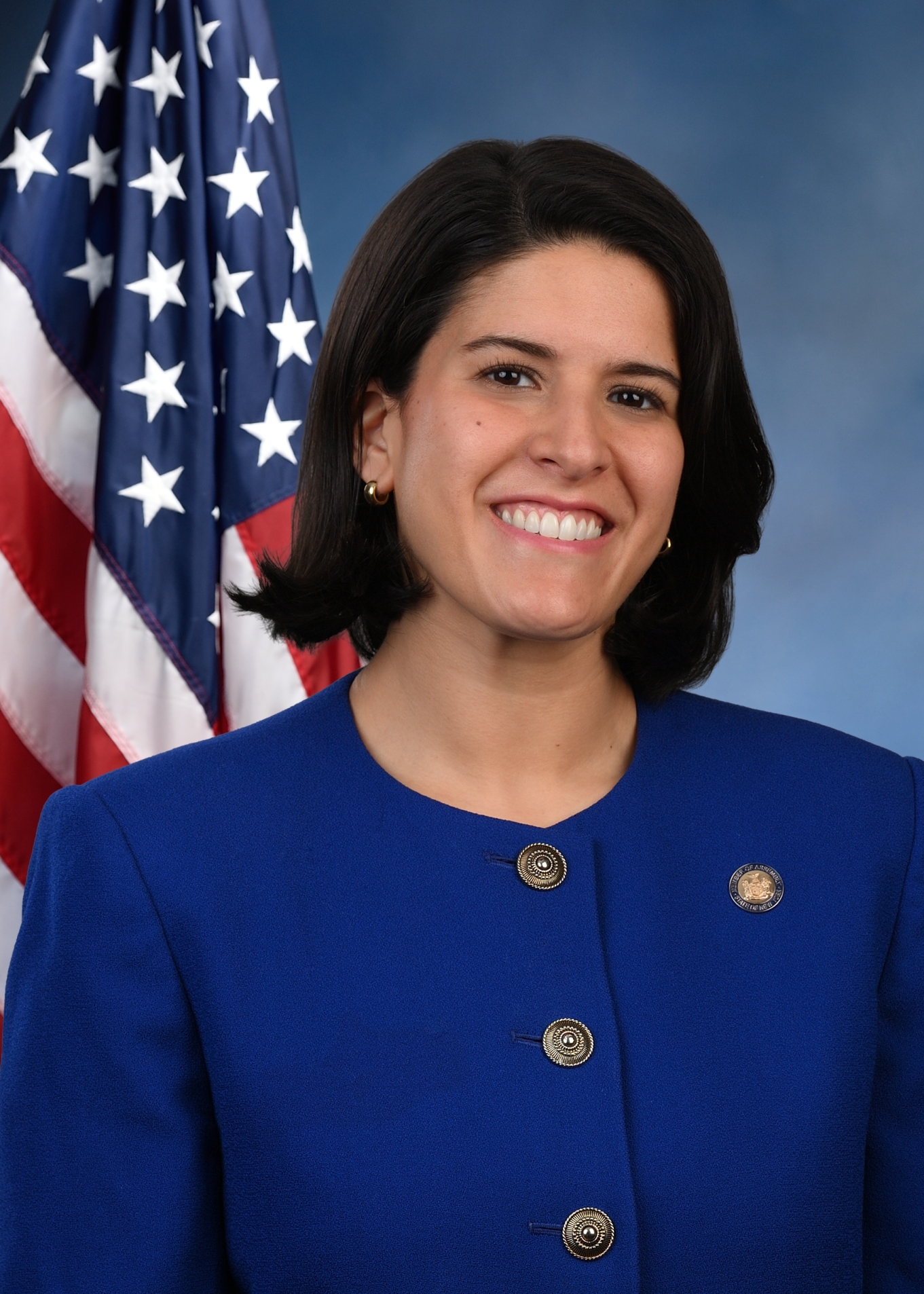
Sam Sutton
Sam Sutton Senate · District 22
D
Strong +
88% 8
Pat Fahy
Pat Fahy Senate · District 46
D
Strong +
80% 15
Jessica Ramos
Jessica Ramos Senate · District 13
D
Support
79% 14
Chris Ryan
Chris Ryan Senate · District 50
D
Support
77% 22
Rachel May
Rachel May Senate · District 48
D
Support
77% 22
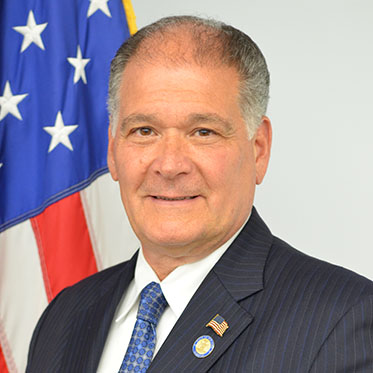
Mario Mattera
Mario Mattera Senate · District 2
R
Strong −
18% 17
George Borrello
George Borrello Senate · District 57
R
Oppose
27% 15
Jake Ashby
Jake Ashby Senate · District 43
R
Oppose
27% 15
Tom O'Mara
Tom O'Mara Senate · District 58
R
Oppose
29% 17
Peter Oberacker
Peter Oberacker Senate · District 51
R
Oppose
31% 13
Showing 11–20 of 148 bills

All technology bills

in committee · New York · Assembly Apr 1, 2026

A 10770: Relates to deletion of a consumer's financial information after cancellation of an automatic renewal or continuous service

Requires a business to delete a consumer's financial information after cancellation of an automatic renewal or continuous service, unless such consumer has affirmatively consented to retention of such financial information; requires such business to notify such consumer of such deletion.
in committee · New York · Senate Mar 31, 2026

S 9658: Establishes a private right of action for malicious disclosure of personally identifying information by another individual

Establishes a private right of action for any person whose personally identifying information was intentionally disclosed by another individual, without consent, for the purpose of harassing, threatening, intimidating, or causing harm to such person, or with reckless disregard as to whether such disclosure would cause such harm; defines personal information.
in committee · New York · Senate Apr 1, 2026

S 9672: Restricts the disclosure of personal information by businesses

Restricts the disclosure of personal information by businesses; provides that a business that retains a customer's personal information shall make available to the customer free of charge access to, or copies of, all of the customer's personal information retained by the business.
in committee · New York · Senate Apr 6, 2026

S 9799: Relates to limiting the use of a victim's DNA collected from sexual offense evidence kits

Prohibits the use of a victim's DNA collected from sexual offense evidence kits from being added to the state DNA identification index or other databases or being used in certain actions.
in committee · New York · Assembly Aug 14, 2026

A 10640: Relates to the accessibility of consumer financial data and the prohibition of fees for the transfer of such data to authorized parties

This bill, known as the New York Financial Data Rights Act, requires financial institutions in New York to provide consumers and small businesses with access to their financial data in a secure, electronic format that can be easily transferred to other systems. The law mandates that banks and other data providers must share specific account information, including transaction history, balances, and account details, without charging any fees for this data access or transfer. Financial institutions must also maintain standardized interfaces to handle these requests and cannot unreasonably deny access, while authorized third parties must obtain explicit consent and follow strict security and data usage rules. The bill is enforced by the New York Superintendent of Financial Services, who can impose penalties for violations including improper fee charging or unreasonable data access restrictions.
passed · New York · Senate Jun 1, 2026

S 9643: Relates to banning the use of biometric identifying technology in schools

This bill prohibits public and nonpublic schools, including charter schools, from purchasing or using biometric identifying technology like facial recognition for most purposes. The law allows exceptions for fingerprinting prospective employees to comply with education laws, logging into digital devices for academic use, and identifying employees who have provided written consent or whose unions have consented. The bill requires the director of the state education department to prepare a detailed report analyzing privacy risks, civil rights impacts, security effectiveness, data retention, breach risks, costs, and other factors before any such technology can be authorized for school use. This report must be made public and shared with state leaders while seeking feedback from teachers, parents, safety experts, and privacy advocates through public hearings.
in committee · New York · Assembly Mar 2, 2026

A 10364: Relates to the use of telematics systems by automobile insurers

This bill requires automobile insurers and third-party telematics vendors to disclose how they use technology that monitors driving behavior to determine insurance rates and discounts. It mandates that companies explain how their algorithms connect specific data points to risk, publicly share their scoring methods, and report on testing to prevent discrimination against protected groups. The law also gives consumers the right to request access to their collected driving data in a readable format and prohibits insurers from using this information for purposes other than underwriting. Additionally, the bill bans unfair discrimination based on race, gender, religion, and other protected characteristics when using telematics data.
in committee · New York · Senate Mar 17, 2026

S 9483: Relates to the accessibility of consumer financial data and the prohibition of fees for the transfer of such data to authorized parties

This New York bill, known as the New York Financial Data Rights Act, gives consumers and small businesses the right to access their financial data from banks and other financial institutions in a secure, electronic format that can be easily transferred to other systems. It requires financial institutions to provide this data, which includes transaction history, account balances, and payment information, without charging any fees for access or transfer. The law also establishes rules for third parties authorized to request data on behalf of consumers, mandates security standards for data sharing, and creates enforcement mechanisms through the state's financial services superintendent.
in committee · New York · Senate Jun 4, 2026

S 9508: Requires certain security features and warning labels on baby monitors

Prohibits the manufacture, distribution, sale, or offering for sale of a baby monitor that broadcasts audio or video through an internet connection unless it includes certain security features to prevent unauthorized access; requires a written warning label; provides penalties.
in committee · New York · Assembly Mar 20, 2026

A 10687: Enacts the consumer camera privacy act

Prohibits manufacturers or operators of networked camera devices to enable coordinated surveillance features on such devices as a default feature without first obtaining affirmative opt-in consent from the owner; requires disclosure of data rights for owners of such devices; prohibits coordinated surveillance features to be disclosed to law enforcement without a warrant; makes related provisions.
Showing 11 to 20 of 148 bills