Issue · Technology

Technology (Artificial Intelligence)

Every technology bill, vote, and legislator stance in New York, automatically classified by Maddy, our AI policy reader.

Total bills
122
2025 Regular Session
Top supporter
Andrew Gounardes
100% support rate
Top opponent
Mark Walczyk
9% support rate
Ranked legislators
10
5 support · 5 oppose
Key legislators

Who's moving artificial intelligence in New York

Legislators moving artificial intelligence in New York
Legislator Party Stance Support rate Votes
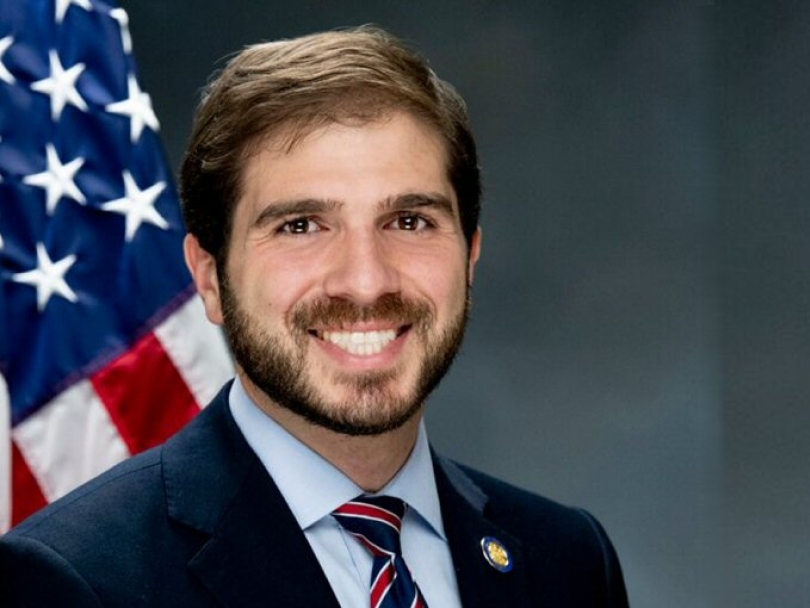
Andrew Gounardes
Andrew Gounardes Senate · District 26
D
Strong +
100% 11
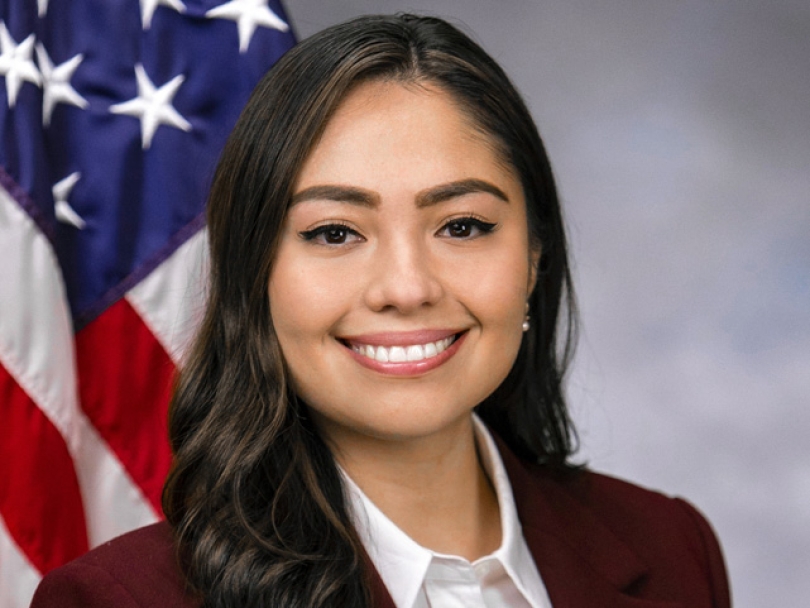
Kristen Gonzalez
Kristen Gonzalez Senate · District 59
D
Strong +
100% 11
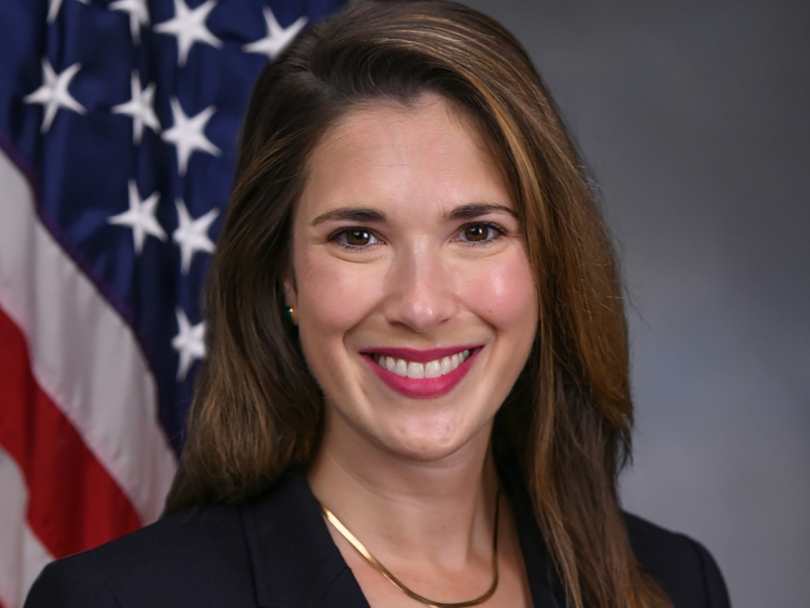
Michelle Hinchey
Michelle Hinchey Senate · District 41
D
Strong +
100% 11
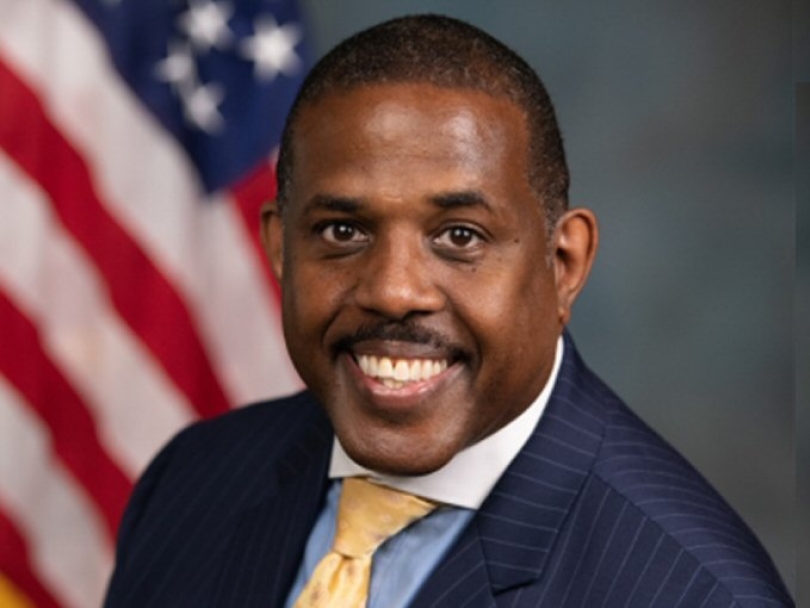
Kevin Parker
Kevin Parker Senate · District 21
D
Strong +
100% 8
Jeremy Zellner
Jeremy Zellner Senate · District 61
D
Strong +
100% 7
Mark Walczyk
Mark Walczyk Senate · District 49
R
Strong −
9% 11
Tom O'Mara
Tom O'Mara Senate · District 58
R
Strong −
17% 6
Alexis Weik
Alexis Weik Senate · District 8
R
Strong −
20% 5
George Borrello
George Borrello Senate · District 57
R
Strong −
20% 5
Steve Rhoads
Steve Rhoads Senate · District 5
R
Strong −
20% 5
Showing 11–20 of 122 bills

All technology bills

in committee · New York · Senate May 15, 2026

S 10456: Relates to minimum standards for large frontier developer frontier AI frameworks

Requires an office within the department of financial services to establish minimum standards for large frontier developers' frontier AI frameworks to prevent unreasonable levels of catastrophic risk.
in committee · New York · Senate May 15, 2026

S 10425: Relates to disclosure of the use of artificial intelligence by law enforcement agencies

Requires policing agencies to conduct an inventory of, and develop a publicly-available policy for, any artificial intelligence used to aid criminal investigations.
in committee · New York · Assembly May 11, 2026

A 11320: Prohibits the department of corrections and community supervision from using artificial intelligence in parole determinations

Prohibits the department of corrections and community supervision from using artificial intelligence in evaluating the risk and needs principles used to measure rehabilitation of a person, in determining which incarcerated individuals may be released on parole or the level of supervision for individuals on parole; prohibits the department from using artificial intelligence when developing transitional accountability plans.
in committee · New York · Senate Apr 30, 2026

S 10133: Prohibits the use of most artificial intelligence in classrooms prior to high school

Prohibits the use of most artificial intelligence in classrooms prior to high school except for AI used for diagnostic purposes or explicit instruction interventions for students with disabilities.
in committee · New York · Senate Jun 5, 2026

S 9794: Relates to requiring disclosure of use of generative artificial intelligence in a civil action

Requires certification of filings produced using generative artificial intelligence; requires the brief of an appellant to contain a disclosure of the use of generative artificial intelligence in the drafting of the brief and certification that the content therein was reviewed and verified by a human.
in committee · New York · Senate May 18, 2026

S 10025: Relates to notification requirements of public employers regarding intentions to acquire or deploy any new application or technology that utilizes artificial intelligence

Requires state-level public employers that intend to begin any procurement process or plan to acquire or deploy any new application or technology that utilizes an artificial intelligence model or artificial intelligence system to notify any duly recognized and certified employee representative of such intention no less than twelve months before commencing such process.
passed · New York · Senate May 28, 2026

S 10049: Updates the definition of cyberbullying in the dignity for all students act

Updates the definition of cyberbullying in the dignity for all students act to include intentionally using artificial intelligence to mimic or alter a person's likeness or voice without their consent.
in committee · New York · Assembly Apr 1, 2026

A 10764: Establishes utility billing integrity requirements and consumer protections

Enacts the "utility billing integrity act" to establish utility billing integrity and consumer protections through anomaly detection, advanced data analytics and the usage of artificial intelligence; requires every utility to implement and maintain a billing integrity program utilizing anomaly detection systems to review all residential utility bills prior to issuance; provides that where a billing anomaly is identified, the utility shall provide prompt notice to the customer that the bill is under review.
in committee · New York · Assembly Jun 2, 2026

A 11144: Relates to a prohibition on chatbot toys

This bill prohibits the manufacture, sale, and distribution of chatbot toys within the state. It defines a chatbot toy as any children's toy that includes an artificial intelligence companion and bans all businesses from selling or exchanging these items. Enforcement is handled by the attorney general, who can seek court orders to stop violations and impose civil penalties of up to $15,000 per day without needing to prove specific harm to a person. The law would take effect approximately three months after passing and would automatically expire five years later.
passed both · New York · Senate Jun 2, 2026

S 9408: Relates to a prohibition on chatbot toys

This bill prohibits the manufacture, sale, and distribution of chatbot toys within the state, directly affecting toy manufacturers, sellers, and distributors. It defines a chatbot toy as any children's toy that includes an artificial intelligence companion and bans all commercial activities related to these products. Enforcement is handled by the state attorney general, who can seek court orders to stop violations and impose civil penalties of up to fifteen thousand dollars per day without needing to prove that a specific person was harmed. The law includes a five-year expiration clause, meaning it would automatically end five years after it takes effect.
Showing 11 to 20 of 122 bills