Issue · Technology

Technology (Consumer Data Protection)

Every technology bill, vote, and legislator stance in New York, automatically classified by Maddy, our AI policy reader.

Total bills
141
2025 Regular Session
Top supporter
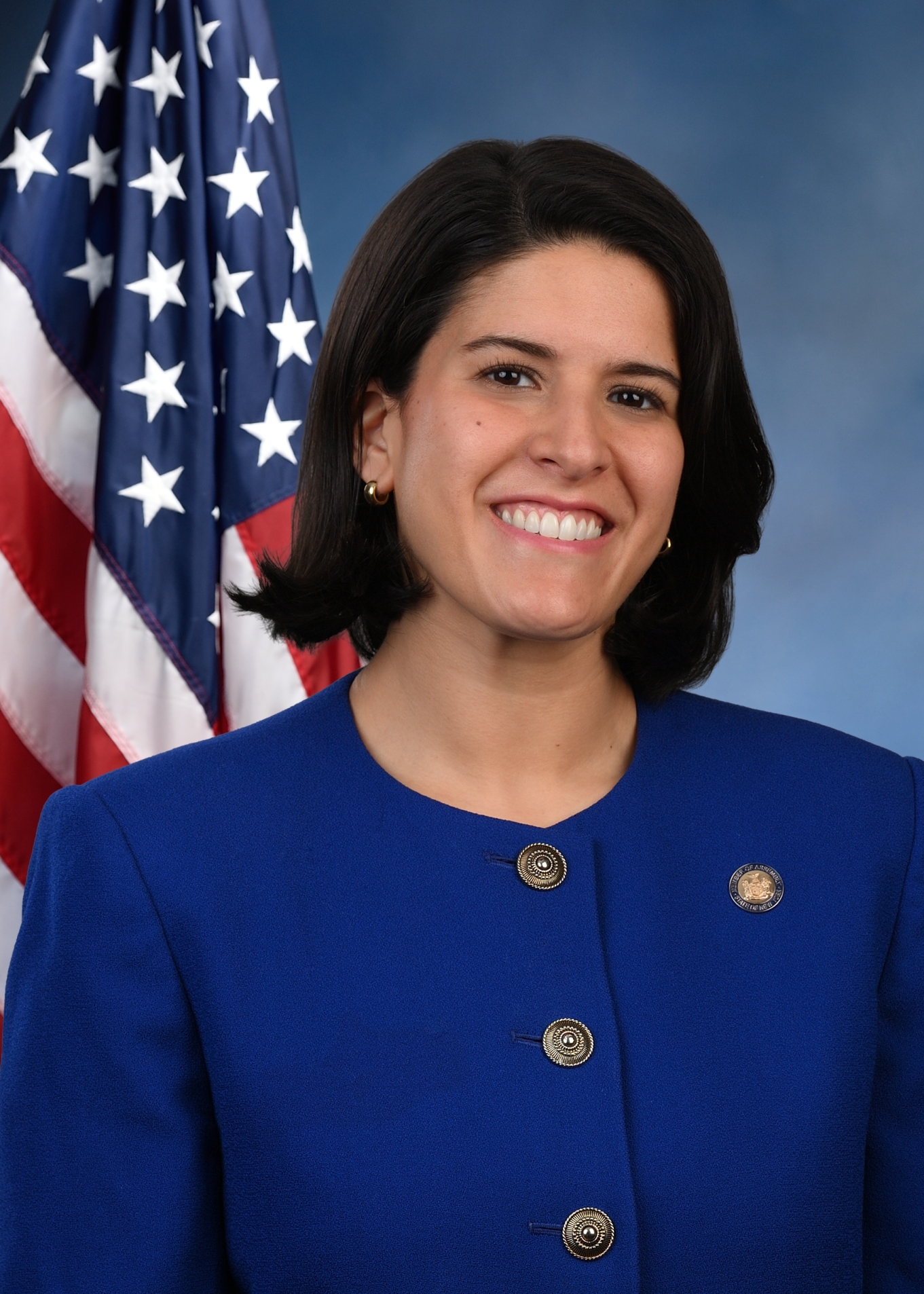
Sam Sutton
88% support rate
Top opponent
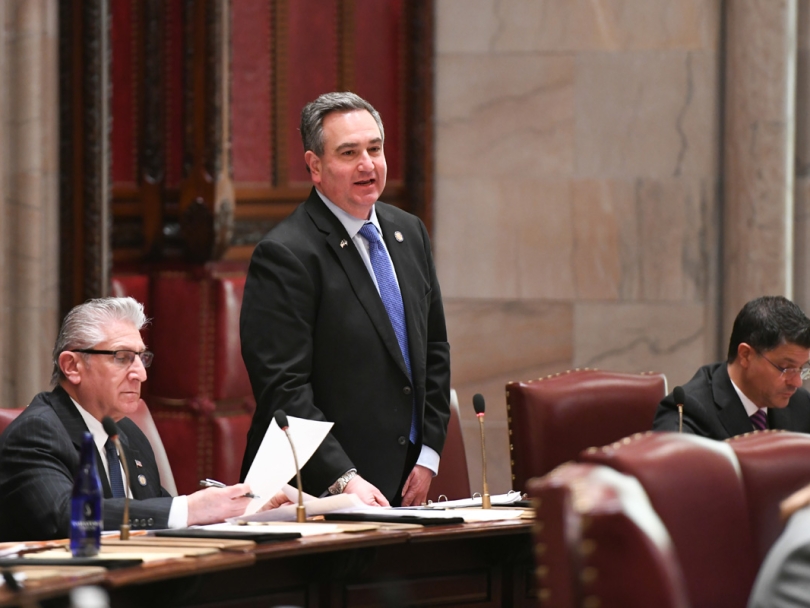
Mario Mattera
18% support rate
Ranked legislators
10
5 support · 5 oppose
Key legislators

Who's moving consumer data protection in New York

Legislators moving consumer data protection in New York
Legislator Party Stance Support rate Votes
Sam Sutton
Sam Sutton Senate · District 22
D
Strong +
88% 8
Pat Fahy
Pat Fahy Senate · District 46
D
Strong +
80% 15
Jessica Ramos
Jessica Ramos Senate · District 13
D
Support
79% 14
Chris Ryan
Chris Ryan Senate · District 50
D
Support
77% 22
Rachel May
Rachel May Senate · District 48
D
Support
77% 22
Mario Mattera
Mario Mattera Senate · District 2
R
Strong −
18% 17
George Borrello
George Borrello Senate · District 57
R
Oppose
27% 15
Jake Ashby
Jake Ashby Senate · District 43
R
Oppose
27% 15
Tom O'Mara
Tom O'Mara Senate · District 58
R
Oppose
29% 17
Peter Oberacker
Peter Oberacker Senate · District 51
R
Oppose
31% 13
Showing 91–100 of 141 bills

All technology bills

failed · New York · Assembly May 19, 2026

A 5239: Increases security on digital submissions to the state by requiring the use of verified accounts and multi-factor authorization

This bill requires all state agencies handling digital submissions (like forms or documents) to implement two security measures. First, users must create verified accounts using detailed personal information (name, address, date of birth, and two ID types like SSN or driver's license) and validate it. Second, users must use two-step verification (e.g., password + security code or biometrics) to access their accounts. These requirements apply to anyone submitting information online to state agencies, directly affecting residents and businesses using digital state services. The law takes effect one year after enactment, with agencies allowed to update rules immediately for implementation.
in committee · New York · Assembly Jan 7, 2026

A 3629: Prohibits sharing or selling personal data to third parties by government entities and contractors

This bill prohibits New York state government agencies and their contractors from selling or sharing residents' personal data with third parties. It defines "personal information" broadly to include names, addresses, biometrics, and online identifiers, while allowing limited sharing for legitimate government purposes like public safety or services. Agencies must notify individuals when sharing data and ensure contractors cannot use the data for commercial purposes. The law does not apply to private companies, focusing solely on government data handling. It creates new rules for data protection within state operations, effective after legislative approval.
in committee · New York · Assembly Jan 7, 2026

A 8101: Establishes the New York Data Protection Act

Establishes the New York Data Protection Act; requires government entities and contractors to disclose certain personal information collected about individuals.
in committee · New York · Assembly May 29, 2026

A 974: Relates to enacting the NY data protection act

Enacts the New York privacy act to require companies to disclose their methods of de-identifying personal information, to place special safeguards around data sharing and to allow consumers to obtain the names of all entities with whom their information is shared.
in committee · New York · Senate Jun 15, 2026

S 2088: Requires vehicle rental agreements instruct renters to remove personal information before returning the vehicle and permits rental vehicles to have decals informing the renter to remove such information

This bill requires rental car companies to remove all personal information (such as phone numbers or IDs) left in vehicles when customers return them. It directly affects rental businesses and their customers by mandating that companies actively clear personal data from returned vehicles. The key provision states that rental providers must delete such information upon receiving the vehicle, not just inform renters to do so. Rental companies may also use decals to remind renters to remove their own items before returning the car. The law aims to prevent data breaches from personal items accidentally left behind in rental vehicles.
in committee · New York · Assembly Jan 7, 2026

A 768: Enacts the "New York artificial intelligence consumer protection act"

Enacts the "New York artificial intelligence consumer protection act", in relation to preventing the use of artificial intelligence algorithms to discriminate against protected classes.
Sub-Topics Artificial Intelligence Consumer Data Protection Tags Consumer Protection
in committee · New York · Assembly Jan 7, 2026

A 8788: Enacts the "facial recognition technology study act"

Enacts the "facial recognition technology study act" to study privacy concerns and potential regulatory approaches to the development of facial recognition technology.
in committee · New York · Assembly Jan 7, 2026

A 5739: Establishes the "secure our data act"

Establishes the "secure our data act"; relates to cybersecurity protection by state entities; requires the office of information technology services to develop standards for data protection of state entity-maintained information.
in committee · New York · Senate Jan 7, 2026

S 1962: Enacts the "New York artificial intelligence consumer protection act"

Enacts the "New York artificial intelligence consumer protection act", in relation to preventing the use of artificial intelligence algorithms to discriminate against protected classes.
passed · New York · Senate Jun 1, 2026

S 2539: Requires retailers to post warning signs of the tracking and collecting of customers biometric data through electronic devices

This bill requires retailers to clearly display warning signs at all entrances if they track customers using their cell phones or other electronic devices (like personal digital assistants or mobile devices). The signs must inform customers about the tracking and provide instructions for opting out. Retailers who fail to comply face escalating fines: $100 for the first violation, $250 for the second, and $500 for each subsequent violation. Local consumer protection offices or designated officials enforce the law, and collected fines stay with the municipality.
Showing 91 to 100 of 141 bills
Previous 1 9 10 11 15 Next