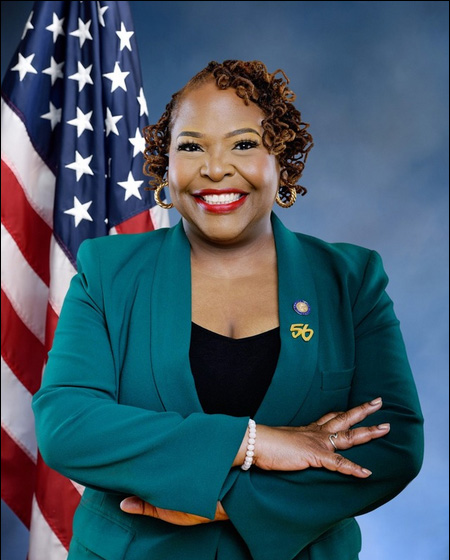
This bill extends the Economic Transformation and Facility Redevelopment Program until December 31, 2031, allowing correctional facilities selected for closure between 2011 and 2031 to continue receiving tax credits. The program provides financial incentives to help these facilities transition or redevelop after they are no longer needed for housing inmates. By updating the expiration date, the legislation ensures that eligible correctional facilities can access these tax benefits for a longer period than previously allowed.
This bill extends the time tenants have to respond to applications for major capital improvement rent increases in New York City from 60 to 90 days after receiving notice. It directly affects tenants who receive notices about proposed rent hikes tied to building renovations or upgrades. The key change modifies multiple sections of city housing law to replace "sixty" with "ninety" days in the timeline for tenant responses. The bill does not alter rent calculation methods or approval criteria, only the response window for tenants. This is a procedural adjustment to provide tenants with additional time to address such applications.
Prohibits landlords from including incorrect information relating to rent decontrol in certain leases and renewals thereof; imposes a violation punishable by a fine of $1000 for a violation by a landlord; requires the standardization of certain notices pertaining to units subject to the Affordable New York Housing Program.
Enacts the "independent senior housing resident freedom of choice act" to authorize persons in independent housing, shelters and residences to receive services they could otherwise receive if they resided in a private residence.
This bill prohibits insurance companies from denying coverage, raising premiums, canceling policies, or limiting coverage based solely on a policyholder owning or harboring a specific dog breed or mix. It directly affects homeowners and renters insurance policyholders who might previously have faced discrimination due to their dog's breed. The law amends insurance regulations to ban these restrictions, ensuring coverage decisions cannot be influenced by breed alone. It applies to all policies issued, renewed, or modified after the effective date.
This bill prohibits utility companies from terminating residential electricity or heat service during forecasts of extreme temperatures - specifically when the National Weather Service predicts 95°F or higher (heat index) or 32°F or lower. It directly affects residential customers in New York, preventing service cutoffs on the day of such forecasts or during any subsequent holiday or weekend. Key provisions require utilities to maintain service during these periods and align with existing cold-weather protections for vulnerable residents. The law applies immediately upon enactment and does not override stricter existing utility settlements.
Establishes the "New York state lead-safe renovation, repair and painting act"; establishes standards for lead-safe renovation, repair and painting of residential properties; requires documentation of compliance with such standards.
This bill requires new or significantly expanding hyperscale data centers (over 10,000 sq ft/5+ MW) to fund residential energy upgrades that offset their electricity demand. It directs these funds toward installing cold-climate heat pumps, rooftop solar, and battery storage in New York homes with outdated systems, prioritizing low-income and disadvantaged communities. NYSERDA will administer the program, ensuring projects align with state climate goals and provide free installations. The funds flow into a dedicated "Clean Home Energy Offset Fund" managed by NYSERDA, with data center operators required to submit annual compliance reports.
Authorizes shelters for victims of domestic violence to be reimbursed for any payment differential for housing a single individual in a room intended for double occupancy where a single occupancy room is not available.
This bill (S 947) prohibits residential landlords from charging tenants fees for using electronic rent payment methods like online portals or automated clearing house (ACH) systems. It requires landlords to offer at least one fee-free payment option (such as cash or check) and bans them from requiring electronic payment as the sole method. Landlords also cannot charge fees for tenants who choose not to use electronic systems. The law applies directly to tenants and landlords in New York residential leases and takes effect immediately.