Issue · Healthcare

Healthcare (Public Health)

Every healthcare bill, vote, and legislator stance in New York, automatically classified by Maddy, our AI policy reader.

Total bills
163
2025 Regular Session
Top supporter
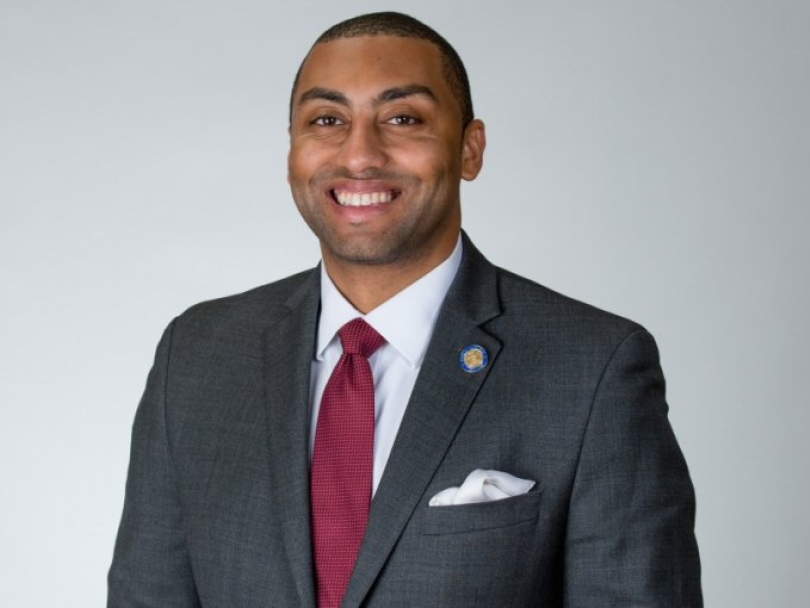
Jamaal Bailey
100% support rate
Top opponent
Rob Ortt
0% support rate
Ranked legislators
10
5 support · 5 oppose
Key legislators

Who's moving public health in New York

Legislators moving public health in New York
Legislator Party Stance Support rate Decisive votes
Jamaal Bailey
Jamaal Bailey Senate · District 36
D
Strong +
100% 23
John Liu
John Liu Senate · District 16
D
Strong +
100% 22
Leroy Comrie
Leroy Comrie Senate · District 14
D
Strong +
100% 22
Luis Sepúlveda
Luis Sepúlveda Senate · District 32
D
Strong +
100% 22
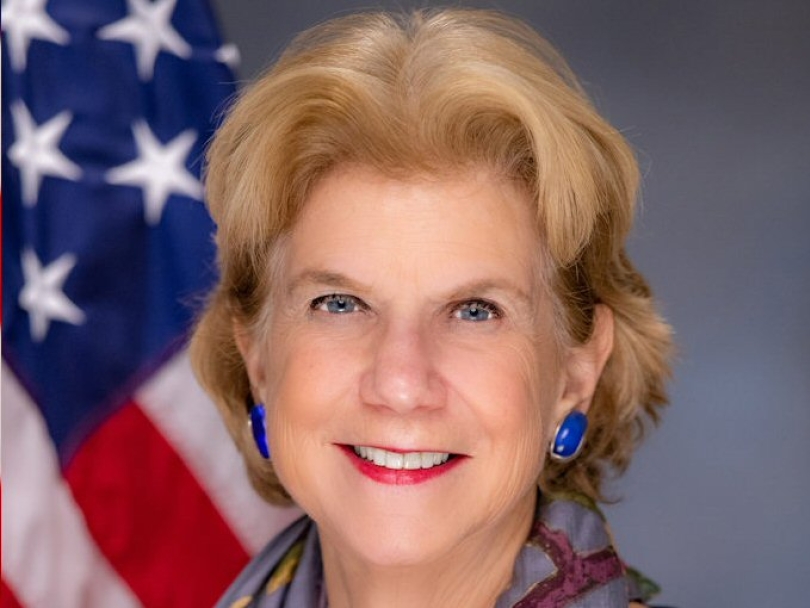
Shelley Mayer
Shelley Mayer Senate · District 37
D
Strong +
100% 22
Rob Ortt
Rob Ortt Senate · District 62
R
Strong −
0% 21
Joe Griffo
Joe Griffo Senate · District 53
R
Strong −
10% 20
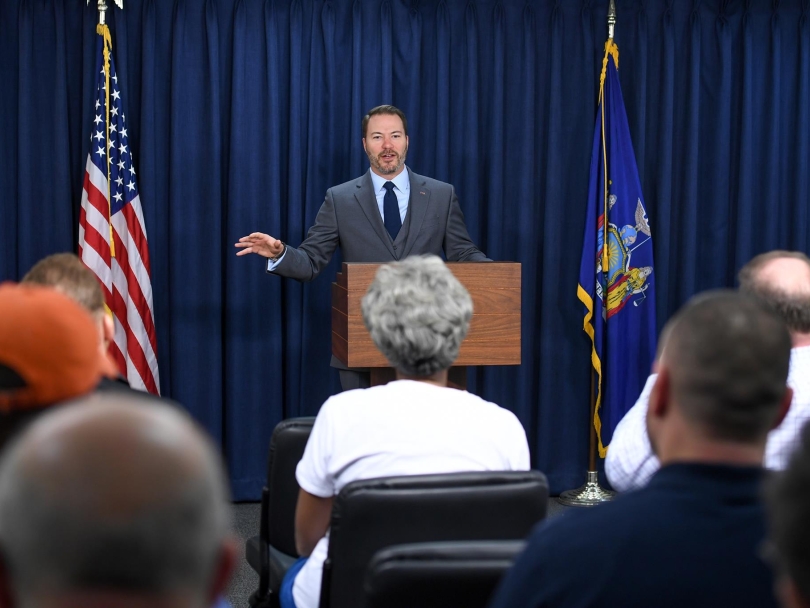
Mark Walczyk
Mark Walczyk Senate · District 49
R
Strong −
11% 19
Tom O'Mara
Tom O'Mara Senate · District 58
R
Strong −
14% 22
Alexis Weik
Alexis Weik Senate · District 8
R
Strong −
16% 19
Showing 31–40 of 163 bills

All healthcare bills

passed both · New York · Assembly Jun 4, 2026

A 9600: Includes avoidant/restrictive food intake disorders as eating disorders for the purposes of mental health

This bill expands the legal definition of "eating disorder" in New York State law to explicitly include avoidant/restrictive food intake disorder (ARFID), alongside existing conditions like anorexia and bulimia. It updates two key laws: Section 30.02 of the Mental Hygiene Law (which defines eating disorders) and Section 207 of the Public Health Law (which governs awareness programs). By adding ARFID to the definition, the bill ensures individuals with this condition qualify for mental health services and support programs currently available for other recognized eating disorders. The change directly affects people diagnosed with ARFID who seek mental health care, aligning state policy with current medical diagnostic standards. The bill takes effect immediately upon enactment.
signed · New York · Senate Feb 13, 2026

S 8758: Replaces the term addict with the term person with substance use disorder

This bill changes the language in New York's Public Health Law by replacing the term "addict" with "person with substance use disorder" in sections governing medical treatment. It specifically affects healthcare practitioners who prescribe controlled substances for maintenance or detoxification treatment, ensuring they reference patients as "person with substance use disorder" instead of "addict" in legal documents. The key mechanism is a simple terminology update within existing prescribing provisions, aiming to use more clinical and less stigmatizing language. This change aligns with broader efforts to reduce stigma in healthcare communication.
in committee · New York · Assembly Feb 5, 2026

A 9474: Replaces the term addict with the term person with substance use disorder

This bill amends New York's public health law to replace the term "addict" with "person with substance use disorder" in provisions related to prescribing controlled substances for treatment. It specifically updates language in Section 3351 regarding practitioners prescribing medications for maintenance or detoxification treatment. The change affects how the law refers to individuals seeking substance use disorder treatment, using more person-centered language. This is a terminology update only, with no change to treatment eligibility or medical protocols.
signed · New York · Assembly Nov 21, 2025

A 2398: Replaces the words addict and addicts with the words persons with substance use disorder or a variation thereof

This bill amends multiple New York State laws to replace the terms "addict" or "addicts" with "person with substance use disorder" or a similar phrase throughout legal texts. It specifically updates references in the judiciary law (affecting court proceedings), mental hygiene law (governing treatment programs), and public health law (regarding controlled substance dispensing). The change applies to all relevant legal documents, including those describing mental health hearings, treatment eligibility, and medication administration protocols. This terminology shift aims to reduce stigma by using person-centered language consistent with modern healthcare and legal standards. The bill was signed into law as Chapter 511 on November 21, 2025.
in committee · New York · Assembly Jan 7, 2026

A 1825: Waives a registration fee for basic life support first response agencies

This bill waives a $200 biennial registration fee for basic life support first response agencies that provide emergency medical services without transporting patients. It directly affects volunteer ambulance services and similar agencies defined under New York's public health law as "basic life support first response agencies." The key provision amends health law to exempt these agencies from paying the microscopy registration fee required for certain medical testing services. The bill takes effect immediately upon enactment.
Sub-Topics Public Health
signed · New York · Assembly Oct 16, 2025

A 7617: Removes the prohibition on patient participation in multiple transplant programs in New York state

This bill removes a New York state law that previously prohibited transplant patients from being listed on waiting lists at multiple organ procurement organizations. It directly affects patients awaiting organ transplants who may now be eligible for placement on waiting lists at different facilities within New York. The key change eliminates the specific ban (previously in Public Health Law §4363) that prevented patients from having multiple listings simultaneously. This amendment updates organ allocation rules to allow patients to potentially access multiple transplant programs without violating state policy. The law took effect immediately upon signing on October 16, 2025.
Sub-Topics Public Health
in committee · New York · Assembly Jul 15, 2026

A 9095: Enacts the Legionnaires' disease prevention act

Requires the department of environmental conservation and the department of health, owners or operators of public water systems, and owners or operators of buildings to take actions to prevent and control waterborne pathogens including legionella from source-to-tap.
Sub-Topics Public Health
in committee · New York · Assembly Jan 7, 2026

A 808: Establishes a drug checking program

Establishes through the department of health a drug checking services program to allow individuals to bring drugs or controlled substances and have them tested for contaminants, toxic substances, or hazardous compounds; requires the department to establish public health surveillance of the unregulated drug supply; provides exemptions for participants in the drug checking program from certain controlled substance offenses.
in committee · New York · Senate Jan 7, 2026

S 8495: Allows pharmacists to administer certain vaccines pursuant to a statewide order; and relates to the authority of the commissioner of health

Provides that licensed pharmacists may administer certain vaccines where a non-patient specific order exists or immunizations are authorized by the commissioner of health and are recommended for use by the New York state immunization advisory council or are identified by the department of health as necessary to address public health emergencies, outbreaks, or chronic disease prevention.
Sub-Topics Public Health
in committee · New York · Assembly Jan 7, 2026

A 1958: Relates to the authority of a hospice medical director to sign a death certificate

This bill allows hospice medical directors (or physicians they designate) to sign death certificates for patients under their care, instead of requiring the last attending physician. It directly affects hospice providers and medical staff by clarifying who can legally certify a patient's death in hospice settings. The key change amends Public Health Law to explicitly include hospice medical directors in the list of authorized signers, alongside physicians or nurse practitioners. This updates existing law to reflect current hospice care practices without altering patient rights or healthcare access.
Showing 31 to 40 of 163 bills
Previous 1 … 3 4 5 … 17 Next