Issue · Healthcare

Healthcare (Long-Term Care)

Every healthcare bill, vote, and legislator stance in New York, automatically classified by Maddy, our AI policy reader.

Total bills
164
2025 Regular Session
Top supporter
Gustavo Rivera
100% support rate
Top opponent
George Borrello
0% support rate
Ranked legislators
10
5 support · 5 oppose
Key legislators

Who's moving long-term care in New York

Legislators moving long-term care in New York
Legislator Party Stance Support rate Decisive votes
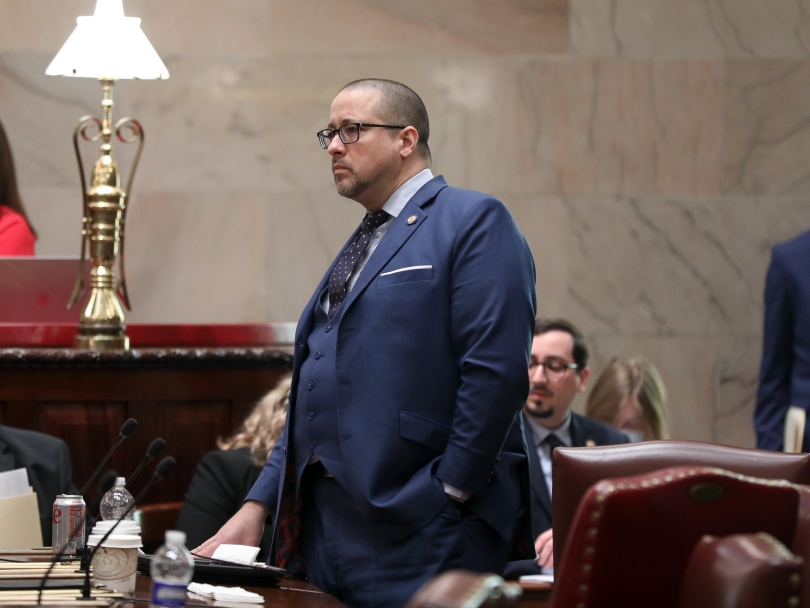
Gustavo Rivera
Gustavo Rivera Senate · District 33
D
Strong +
100% 21
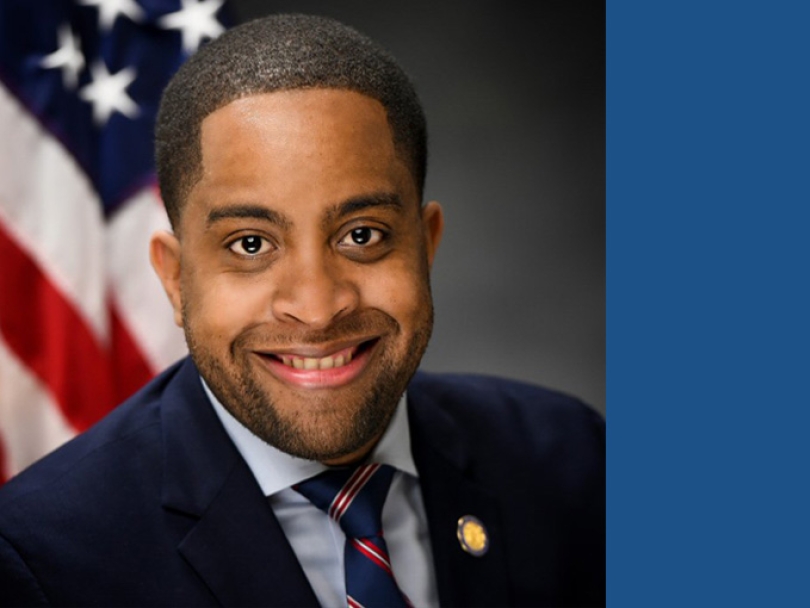
Kristen Gonzalez
Kristen Gonzalez Senate · District 59
D
Strong +
100% 21
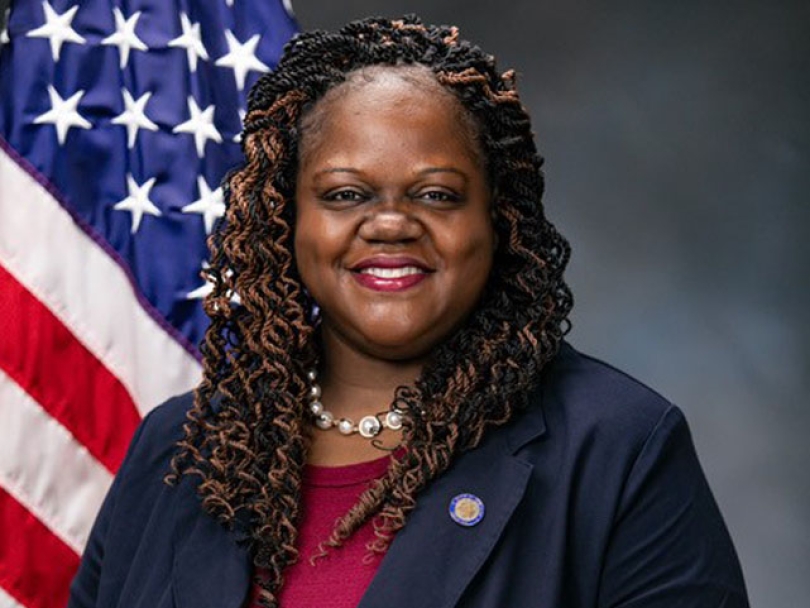
Robert Jackson
Robert Jackson Senate · District 31
D
Strong +
100% 20
Zellnor Myrie
Zellnor Myrie Senate · District 20
D
Strong +
100% 19
Lea Webb
Lea Webb Senate · District 52
D
Strong +
100% 18
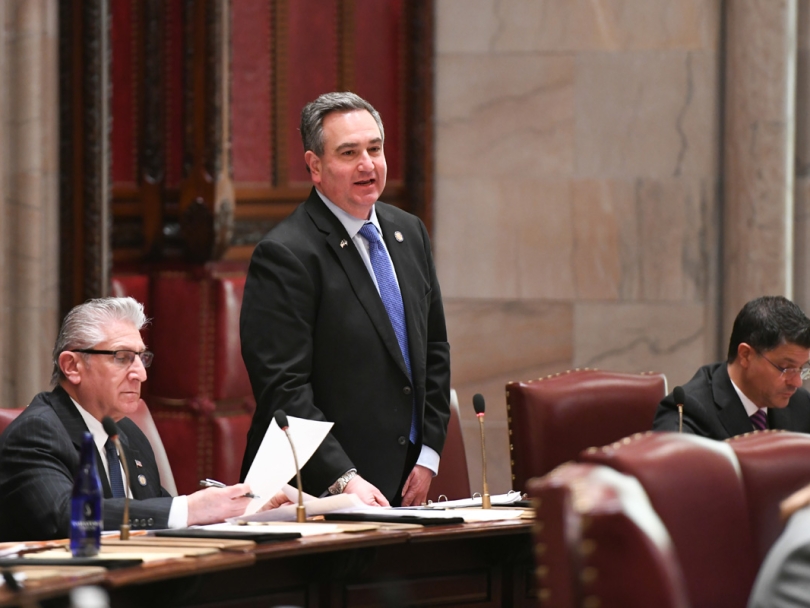
George Borrello
George Borrello Senate · District 57
R
Strong −
0% 10
Patricia Canzoneri-Fitzpatrick
Patricia Canzoneri-Fitzpatrick Senate · District 9
R
Strong −
0% 10
Tony Palumbo
Tony Palumbo Senate · District 1
R
Strong −
0% 10
Alexis Weik
Alexis Weik Senate · District 8
R
Strong −
0% 9
Dan Stec
Dan Stec Senate · District 45
R
Strong −
4% 23
Showing 131–140 of 164 bills

All healthcare bills

in committee · New York · Senate May 12, 2026

S 5229: Provides for rates for residential health care facilities

This bill updates how New York state calculates payment rates for residential health care facilities (like nursing homes) that provide long-term care. It requires the state to adjust rates annually based on current operating costs, with mandatory updates by April 2026 and every five years after, using the most recent cost data. Certain specialized facilities (such as those for children, ventilator-dependent patients, or behavioral health) retain historical rates adjusted for inflation, while others transition to the new cost-based system over a minimum four-year period. The bill also mandates a workgroup of experts to advise on rate-setting methodology and includes provisions for quality improvement funding.
Sub-Topics Long-Term Care
in committee · New York · Senate Jan 7, 2026

S 42: Establishes a pilot program authorizing certain nurse aides to administer medication in residential health care facilities in St. Lawrence county

This bill creates a pilot program in St. Lawrence County allowing certified nursing home medication aides to administer routine medications in residential health care facilities under specific conditions. It permits aides to give prefilled or easy-to-administer medications (excluding most injections, except for diabetes care, heparin, or epinephrine), but only when directly supervised by a registered nurse. Key requirements include mandatory training, experience (at least one year), competency assessments, and documentation of all medication administration. The program strictly prohibits aides from assessing patient needs, performing tasks outside their scope, or administering medications without a registered nurse’s assignment.
passed · New York · Senate May 19, 2026

S 4275: Relates to the closure of nursing homes

S 4275 establishes new requirements for nursing home operators intending to close a facility, directly affecting residents, their families, and local communities. Operators must notify the Department of Health at least 90 days in advance and submit a detailed closure plan for approval, outlining how residents will be notified, assessed, and transferred to new settings. The bill prohibits operators from closing until all residents are relocated, increasing fees, or accepting new residents without disclosure during the closure process. Local officials can hold meetings and make recommendations to the Commissioner regarding the closure plan, which must be publicly available. Non-compliance with these provisions can result in penalties.
Sub-Topics Long-Term Care
in committee · New York · Senate Feb 24, 2026

S 893: Relates to the use of psychotropic medications in nursing homes and adult care facilities

Relates to the use of antipsychotic medications in nursing homes; imposes limits as to time and documentation; requires informed consent under certain circumstances.
Sub-Topics Long-Term Care
failed · New York · Assembly May 19, 2026

A 3727: Relates to access to nursing home residents by essential caregivers

This bill requires nursing homes to allow essential caregivers access to residents during visitation restrictions imposed by authorities. It defines "essential caregivers" as individuals designated by residents (or their representatives if residents cannot decide) to provide daily living assistance or emotional support. Nursing homes must permit at least one essential caregiver daily, enforce safety protocols, and provide written warnings before denying access. Residents and caregivers can appeal denied access to the state department, which must investigate within 48 hours and may impose fines for violations.
Sub-Topics Long-Term Care
in committee · New York · Assembly Jan 7, 2026

A 4744: Relates to insurance coverage for medical marijuana

This bill clarifies that medical marijuana, when dispensed under New York's medical marijuana program, must be treated as a "prescription drug" for coverage purposes under specific state programs, including Medicaid (title eleven of social services law), workers' compensation, and elder care programs. It requires these state-run programs to cover medical marijuana but explicitly states it does not mandate coverage by private insurers or health plans. The bill also adds a certification process for dispensaries to be recognized as medical assistance providers under state law. It applies to state programs only, not private insurance, and does not create new coverage requirements beyond the specified state-run systems.
in committee · New York · Assembly Jan 7, 2026

A 4474: Permits certain nurses to perform medication related tasks provided by a certified medication aide

This bill (A 4474) allows certified medication aides to administer certain routine medications under the supervision of a registered nurse (RN) in New York nursing homes. It permits tasks like giving pre-filled oral medications but prohibits injections (except for insulin, diabetes care, epinephrine, or naloxone) and central line maintenance. Certified medication aides must meet strict qualifications (training, experience, competency tests) and can only perform tasks assigned by an RN, who retains full oversight and documentation responsibility. The law directly affects nursing home staff (certified medication aides and RNs) and residents receiving medication care in licensed facilities.
in committee · New York · Senate Jan 7, 2026

S 255: Relates to access to nursing home residents by essential caregivers

This bill requires nursing homes to provide daily in-person access to designated essential caregivers during visitation restrictions (e.g., public health emergencies). Essential caregivers - defined as individuals designated by residents (or their representatives if residents cannot decide) to assist with daily needs or emotional support - must be allowed access unless they violate safety protocols. Nursing homes must issue written warnings for protocol violations before denying access and provide a 24-hour written explanation for denials, including appeal options. An appeals process mandates the health department to investigate denials within 48 hours and may impose fines up to $5,000 for noncompliance. The law takes effect immediately.
in committee · New York · Assembly Jan 7, 2026

A 1864: Enacts the "Nurse of Tomorrow Act" to provide for grants to certain hospitals, schools and other entities for nurse recruitment, education and retention

Enacts the "Nurse of Tomorrow Act" to provide for grants from the state commissioner of education to public and not-for-profit hospitals, skilled nursing facilities, schools and other entities for nurse recruitment, education and retention costs and activities as described herein.
in committee · New York · Senate Jan 7, 2026

S 547: Authorizes one or more demonstration projects that permit a managed long-term care plan to enroll persons that are permanently placed in a nursing home in rural areas

Authorizes one or more demonstration projects that permit a managed long-term care plan to enroll persons that are permanently placed in a nursing home and to manage the nursing home benefit in one or more rural areas.
Sub-Topics Long-Term Care
Showing 131 to 140 of 164 bills
Previous 1 … 13 14 15 … 17 Next