Issue · Healthcare

Healthcare (Medicaid)

Every healthcare bill, vote, and legislator stance in New York, automatically classified by Maddy, our AI policy reader.

Total bills
193
2025 Regular Session
Top supporter
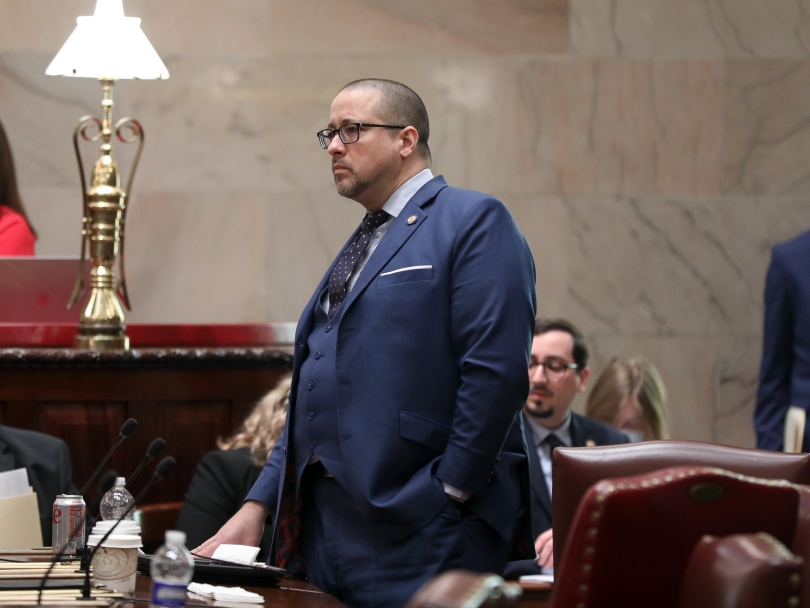
Gustavo Rivera
100% support rate
Top opponent
Andrew Lanza
0% support rate
Ranked legislators
10
5 support · 5 oppose
Key legislators

Who's moving medicaid in New York

Legislators moving medicaid in New York
Legislator Party Stance Support rate Decisive votes
Gustavo Rivera
Gustavo Rivera Senate · District 33
D
Strong +
100% 14
Robert Jackson
Robert Jackson Senate · District 31
D
Strong +
100% 12
Lea Webb
Lea Webb Senate · District 52
D
Strong +
100% 11
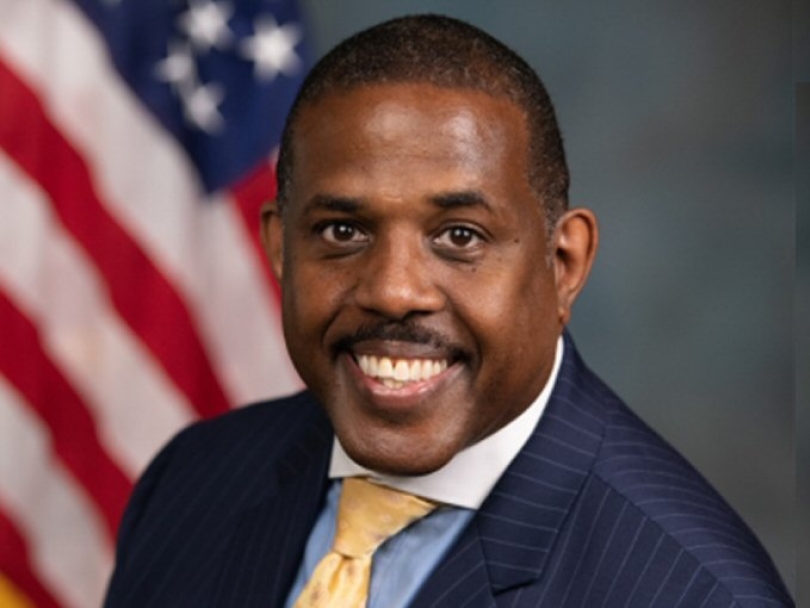
Kevin Parker
Kevin Parker Senate · District 21
D
Strong +
100% 10
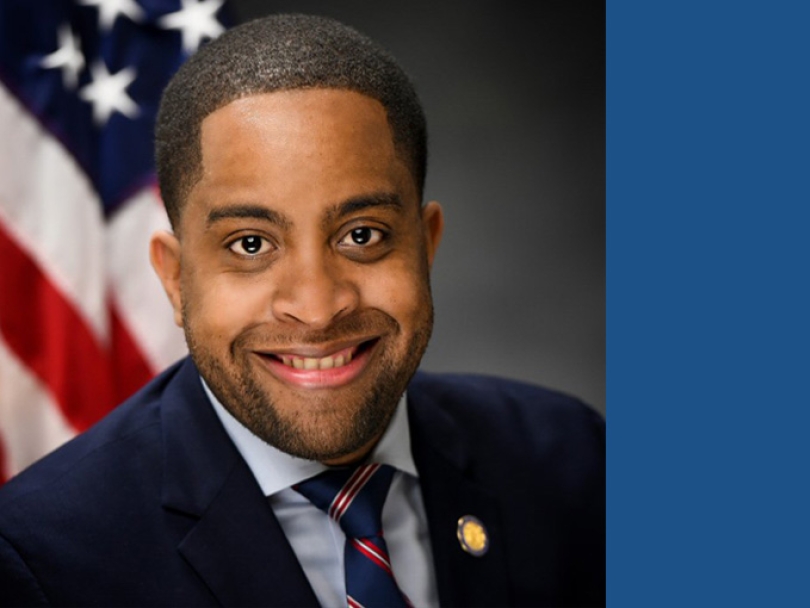
Zellnor Myrie
Zellnor Myrie Senate · District 20
D
Strong +
100% 10
Andrew Lanza
Andrew Lanza Senate · District 24
R
Strong −
0% 6
Alexis Weik
Alexis Weik Senate · District 8
R
Strong −
14% 7
Patricia Canzoneri-Fitzpatrick
Patricia Canzoneri-Fitzpatrick Senate · District 9
R
Strong −
17% 6
George Borrello
George Borrello Senate · District 57
R
Oppose
25% 8
Dean Murray
Dean Murray Senate · District 3
R
Oppose
29% 7
Showing 121–130 of 193 bills

All healthcare bills

in committee · New York · Assembly Jan 7, 2026

A 4650: Relates to reimbursement by Medicaid for services required by state law

Relates to reimbursement for Medicaid for services required by state law; provides department of health must pay 100% of the non-federal share for services required by state law, not federal.
Sub-Topics Medicaid
in committee · New York · Senate Jan 7, 2026

S 4247: Provides Medicaid reimbursement for interpretation services provided by hospital inpatient and outpatient departments

Provides Medicaid reimbursement for interpretation services provided by hospital inpatient, outpatient and emergency department settings and in diagnostic treatment centers; provides further that time frames for notice, approval or certification of rates of payment and to the requirement of prior notice of rates of payment are suspended, deemed without any force and effect from and after February 1, 2027 for such rates effective for the period April 1, 2027 through March 31, 2028.
Sub-Topics Hospitals Medicaid
in committee · New York · Senate Jun 12, 2025

S 5534: Prohibits Medicaid from requiring prior authorization for certain HIV medications

Prohibits Medicaid service providers from requiring prior authorization for antiretroviral prescription drugs for the treatment or prevention of the human immunodeficiency virus (HIV) or acquired immunodeficiency syndrome (AIDS).
Sub-Topics Medicaid
in committee · New York · Senate Jan 7, 2026

S 4178: Establishes a workgroup to conduct analysis on the ambulatory patient group rates and commercial insurance rates for behavioral health services

S 4178 creates a workgroup to analyze reimbursement rates for behavioral health services under Medicaid and commercial insurance. The workgroup, including providers, insurers, consumers, and experts, will study current rates versus actual care costs and develop recommendations for fairer payment models. It specifically focuses on clinics licensed under mental health laws (Articles 31/32) and child health programs, requiring a final report to lawmakers by October 1, 2027. This bill does not change current rates but sets up a review process to inform future policy.
in committee · New York · Senate Jan 7, 2026

S 6323: Determines the amount paid to a pharmacy for certain high cost drugs

This bill caps payments to pharmacies for certain high-cost drugs. It requires that pharmacies receive no more than 2.5% of a drug’s total cost (including federal benchmark pricing) plus any authorized dispensing fees, but only for drugs with a federal cost benchmark exceeding $670. The rule directly affects pharmacies dispensing these specific high-cost medications under New York’s Medicaid program. It aims to standardize reimbursement without altering existing dispensing fee structures.
in committee · New York · Senate Jan 7, 2026

S 1266: Establishes the incontinence supplies insurance program for Medicaid beneficiaries

Establishes the incontinence supplies insurance program for Medicaid beneficiaries who are also residents of the state of New York and obtain a note from a physician indicating a need for an item.
Sub-Topics Medicaid
in committee · New York · Assembly Jan 7, 2026

A 5397: Relates to Medicaid reimbursement rates for inpatient psychiatric care

Requires Medicaid reimbursement rates for inpatient psychiatric care to remain consistent and uniform throughout the duration of the patient's hospitalization, regardless of length of stay.
Sub-Topics Medicaid Mental Health
in committee · New York · Senate Apr 4, 2025

S 7110: Relates to establishing a remote maternal health services pilot program for Medicaid recipients

Relates to establishing a remote maternal health services pilot program for Medicaid recipients; provides that such program shall be established during fiscal years 2025-2026, 2026-2027 and 2027-2028 to provide: remote maternal health services to eligible Medicaid recipients, medically necessary remote maternal health services to such eligible recipients for up to 12 months postpartum and payment to healthcare providers who provide remote maternal health services.
in committee · New York · Senate Jan 7, 2026

S 3602: Ensures that temporary protected status beneficiaries continue to receive Medicaid benefits

S 3602 prevents New York's Medicaid program from ending benefits for Temporary Protected Status (TPS) and DACA recipients if the federal government terminates these programs. It ensures current beneficiaries retain coverage and extends eligibility to former TPS/DACA recipients who meet all requirements except immigration status. The law takes effect immediately upon enactment. This applies solely to New York State's Medicaid program, not federal benefits.
in committee · New York · Assembly Jan 7, 2026

A 4748: Relates to plans for safety net hospitals to increase revenue

This bill (A 4748) requires designated "safety net hospitals" to submit annual plans to the state health department outlining specific strategies to increase revenue. Safety net hospitals are defined as public hospitals, critical access hospitals, or facilities serving high percentages of Medicaid, uninsured, or dual-eligible patients (e.g., 35% outpatient volume or 30% inpatient volume). The plan must detail concrete actions like attracting private insurance patients, retaining patients moving from Medicaid to private insurance, offering profitable procedures, enrolling eligible patients in Medicaid, collecting payments from able-to-pay patients, and developing underutilized land. The law mandates annual follow-up reports to track progress toward these revenue goals.
Sub-Topics Hospitals Medicaid
Showing 121 to 130 of 193 bills
Previous 1 … 12 13 14 … 20 Next