Issue · Environment

Environment (Conservation)

Every environment bill, vote, and legislator stance in New York, automatically classified by Maddy, our AI policy reader.

Total bills
305
2025 Regular Session
Top supporter
Pete Harckham
100% support rate
Top opponent
Rob Ortt
0% support rate
Ranked legislators
10
5 support · 5 oppose
Key legislators

Who's moving conservation in New York

Legislators moving conservation in New York
Legislator Party Stance Support rate Votes
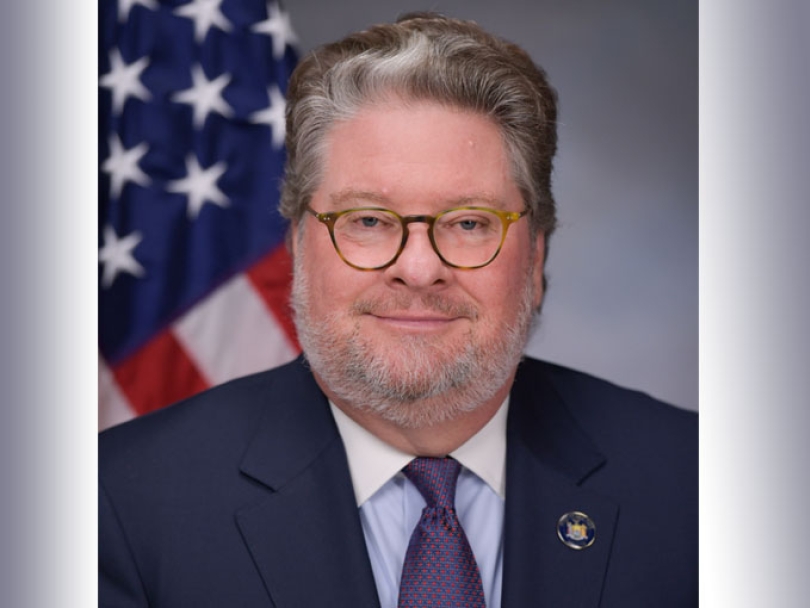
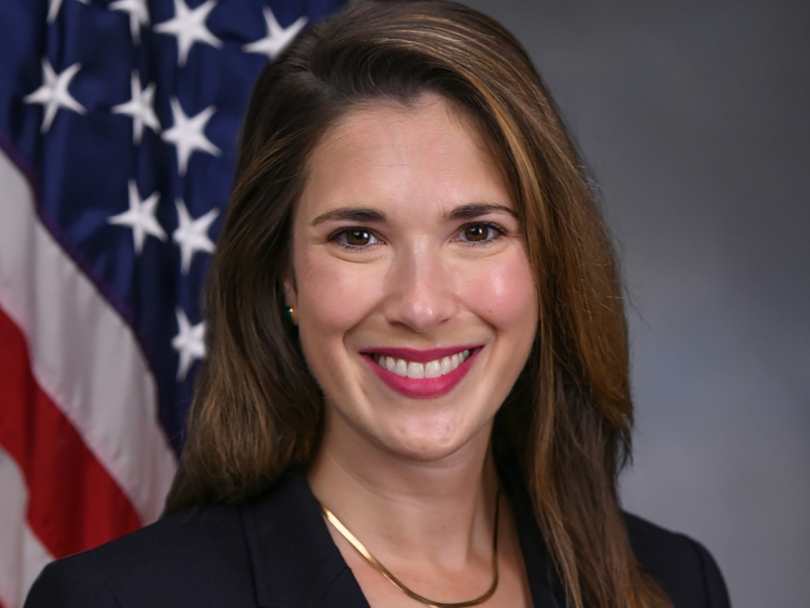
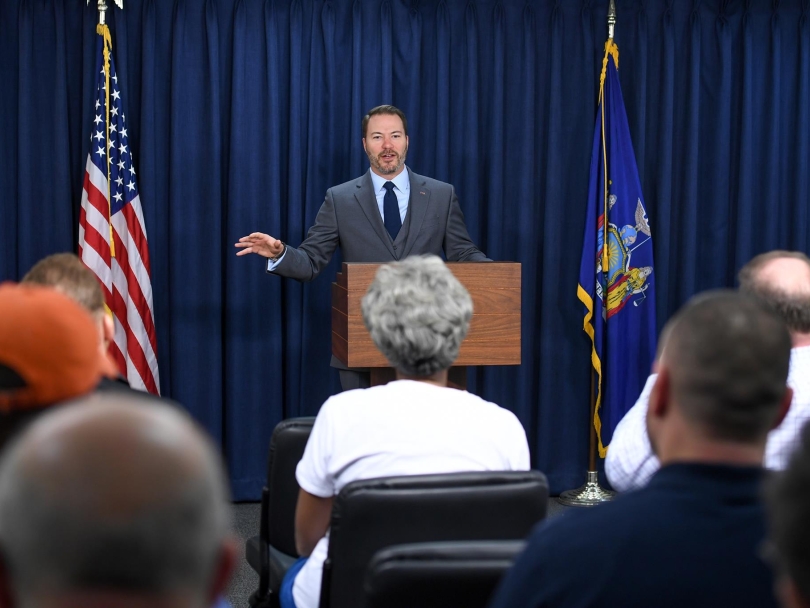
Pete Harckham
Pete Harckham Senate · District 40
D
Strong +
100% 36
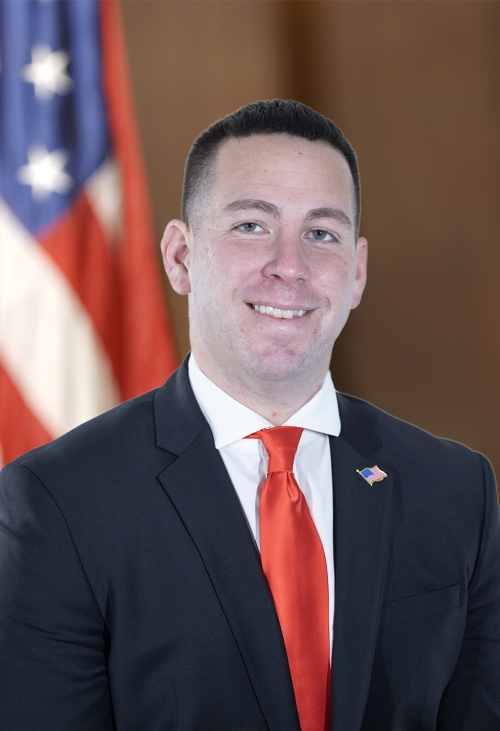
Brian Kavanagh
Brian Kavanagh Senate · District 27
D
Strong +
100% 35
Michelle Hinchey
Michelle Hinchey Senate · District 41
D
Strong +
100% 35
Rachel May
Rachel May Senate · District 48
D
Strong +
100% 35
Pat Fahy
Pat Fahy Senate · District 46
D
Strong +
100% 30
Rob Ortt
Rob Ortt Senate · District 62
R
Strong −
0% 27
Chris Friend
Chris Friend House · District 124
R
Strong −
0% 10
Dave McDonough
Dave McDonough House · District 14
R
Strong −
0% 6
Brian Maher
Brian Maher House · District 101
R
Strong −
0% 3
Mark Walczyk
Mark Walczyk Senate · District 49
R
Strong −
4% 25
Showing 251–260 of 305 bills

All environment bills

in committee · New York · Assembly Jan 7, 2026

A 1638: Creates the toxics information clearinghouse

Creates the toxic information clearinghouse; provides substances hazardous to public health, safety or the environment that have been identified or listed as a hazardous waste in regulations promulgated pursuant to section 27-0903 or 37-0103 of the environmental conservation law; provides chemical hazard traits and environmental and toxicological end-point data.
in committee · New York · Senate Jun 4, 2025

S 7773: Extends the authority of the department of environmental conservation to manage bluefish

This bill extends the New York State Department of Environmental Conservation's authority to manage bluefish (a popular recreational and commercial fish) through 2028, updating a previous expiration date. It allows the department to set specific regulations including size limits, catch quotas, seasonal closures, and gear restrictions for bluefish fishing. These rules must meet or exceed existing state standards and align with federal and regional fishery management plans. The change directly affects commercial and recreational fishermen who harvest or sell bluefish in New York waters.
Sub-Topics Conservation
in committee · New York · Senate Jan 7, 2026

S 1346: Enacts the New York photovoltaic module stewardship and take-back program act

Relates to enacting the "New York photovoltaic module stewardship and take-back program act"; provides that the department of environmental conservation shall develop guidance for a photovoltaic module stewardship and take-back program to guide manufacturers in preparing and implementing a self-directed program to ensure the convenient, safe, and environmentally sound take-back and recycling of photovoltaic modules and their components and materials; establishes the photovoltaic module recycling account for the purpose of paying all costs of the department of environmental conservation for management and administration of the New York photovoltaic module stewardship and take-back program.
in committee · New York · Senate Jan 7, 2026

S 1533: Requires the commissioner of environmental conservation to establish standards for inspection and certification of green roofs and provides for a green roof installation credit

Requires the commissioner of environmental conservation to establish standards for and a program of inspection and certification of green roofs prior to and after installation, including standards for environmentally acceptable chemical fertilizers and the testing of runoff water for evidence of such fertilizers; establishes a green roof installation tax credit in the amount of fifty-five percent of qualified expenditures with a credit maximum of five thousand dollars.
in committee · New York · Assembly Jan 7, 2026

A 1324: Establishes a product stewardship program for primary batteries

This bill establishes a product stewardship program requiring producers of primary batteries (non-rechargeable batteries ≤2kg, like alkaline or button batteries) to cover collection and recycling. Producers must register with a stewardship plan by April 2026, pay administrative fees, and implement free consumer collection systems at retailers and designated drop-off locations (with minimum facility requirements per county population). Retailers must accept up to 20 batteries per visit from consumers, and producers must meet annual collection rates based on prior sales. The program excludes industrial, business-to-business, and FDA-regulated medical batteries. It takes effect January 2027, with enforcement by the Department of Environmental Conservation.
Sub-Topics Conservation Recycling
in committee · New York · Assembly May 4, 2026

A 6416: Relates to emissions of toxic air contaminants

This bill directs New York's Department of Environmental Conservation (DEC) to establish air quality standards for specific harmful pollutants like benzene, mercury, and formaldehyde by December 2027. It requires major pollution sources (factories emitting 10+ tons/year of toxic pollutants) to include these standards in their permits starting in 2028 and mandates fenceline monitoring near disadvantaged communities. The law ensures standards are based on health science and considers community proximity to pollution sources, directly affecting industrial facilities and communities near them.
passed · New York · Senate Jun 12, 2025

R 1233: Amends a plan setting forth an itemized list of grantees for certain appropriations for the 2022-2023 state fiscal year for grants-in-aid to environmental conservation initiatives

This Senate Resolution (R 1233) amends an existing plan for distributing environmental conservation grants by adding Riverkeeper, Inc. to the list of grantees receiving $15,000 from previously appropriated state funds. It directly affects Riverkeeper, Inc., which will receive this specific grant amount for conservation initiatives. The resolution updates the allocation schedule under established procedures, requiring Senate approval for any changes to the grant list before funds are expended. The bill does not create new funding but formalizes an adjustment to an existing allocation approved under prior resolutions.
Sub-Topics Conservation
passed · New York · Senate Jun 5, 2026

S 4408: Relates to agreements and easements related to renewable energy interconnection across reforestation areas

S 4408 allows New York's state environmental department to create leases or easements for renewable energy projects (like solar and wind farms) on state-owned lands designated for reforestation. These agreements must not interfere with the reforestation purposes of the land, as defined by New York's constitution. The bill requires all such agreements to be publicly recorded and posted online. It directly affects the state department, renewable energy developers, and the management of reforestation areas.
in committee · New York · Assembly Jan 7, 2026

A 4981: Relates to advanced recycling and advanced recycling facilities

This bill amends New York's environmental conservation law to clarify that advanced recycling processes and materials handled at advanced recycling facilities are not classified as "waste" or "solid waste." It defines "advanced recycling" as manufacturing processes (like pyrolysis and gasification) that convert used plastics into raw materials, excluding incineration or waste-to-energy. The law explicitly states that advanced recycling facilities are not considered "solid waste facilities" or "incinerators," changing how these operations are regulated. This directly affects companies operating advanced recycling facilities and the plastics industry by removing regulatory barriers tied to waste management.
in committee · New York · Assembly Jan 7, 2026

A 1554: Declares the waters of the state to be public trust resources

Declares the waters of the state to be public trust resources; declares that the waters of the state are valuable public natural resources and the state has a duty to conserve and manage its waters effectively.
Showing 251 to 260 of 305 bills
Previous 1 25 26 27 31 Next