Issue · Criminal Justice

Criminal Justice (Civil Rights)

Every criminal justice bill, vote, and legislator stance in New York, automatically classified by Maddy, our AI policy reader.

Total bills
63
2025 Regular Session
Top supporter
Shelley Mayer
100% support rate
Top opponent
Tom O'Mara
0% support rate
Ranked legislators
10
5 support · 5 oppose
Key legislators

Who's moving civil rights in New York

Legislators moving civil rights in New York
Legislator Party Stance Support rate Decisive votes
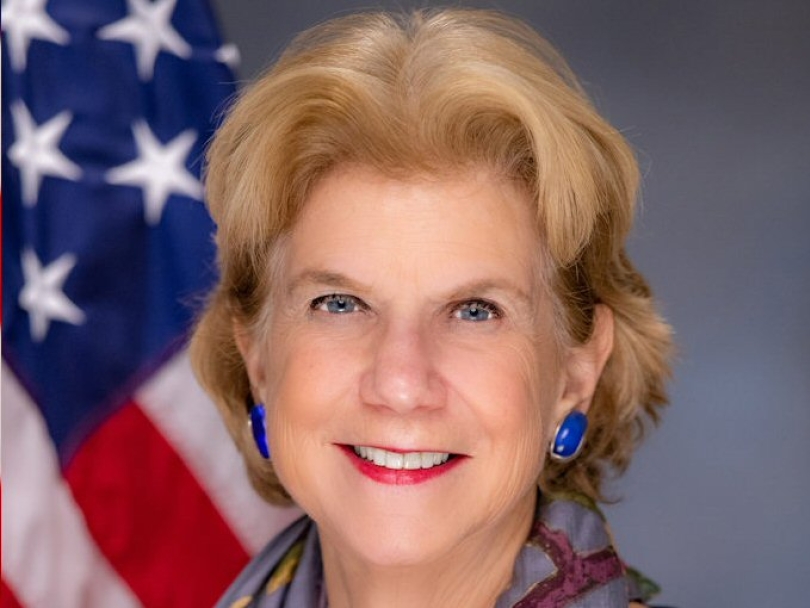
Shelley Mayer
Shelley Mayer Senate · District 37
D
Strong +
100% 8
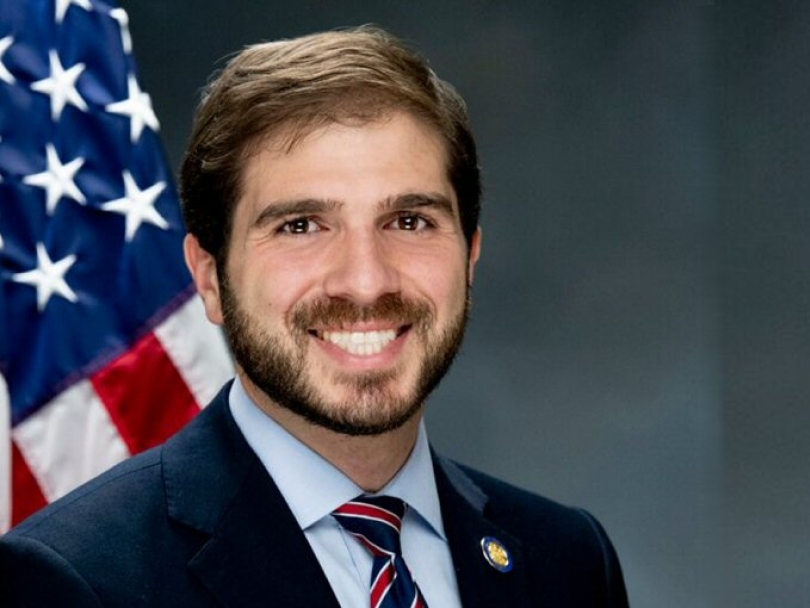
Andrew Gounardes
Andrew Gounardes Senate · District 26
D
Strong +
100% 7
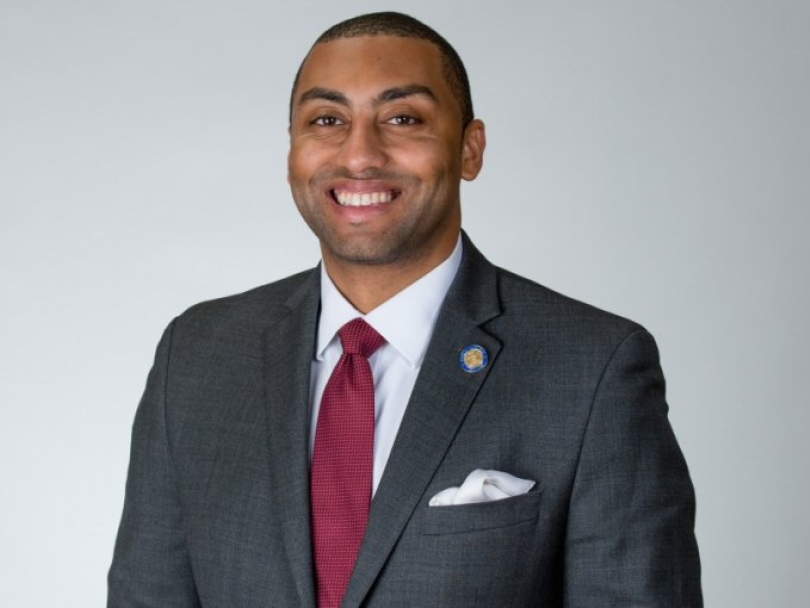
Jamaal Bailey
Jamaal Bailey Senate · District 36
D
Strong +
100% 7
James Skoufis
James Skoufis Senate · District 42
D
Strong +
100% 7
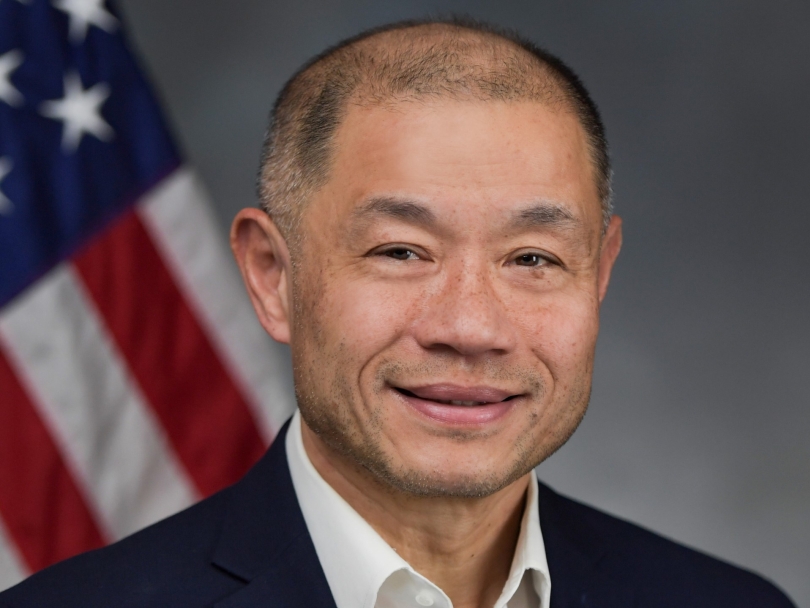
John Liu
John Liu Senate · District 16
D
Strong +
100% 7
Tom O'Mara
Tom O'Mara Senate · District 58
R
Strong −
0% 8
Dan Stec
Dan Stec Senate · District 45
R
Strong −
0% 6
Steve Rhoads
Steve Rhoads Senate · District 5
R
Strong −
0% 6
George Borrello
George Borrello Senate · District 57
R
Strong −
0% 5
Alexis Weik
Alexis Weik Senate · District 8
R
Strong −
0% 4
Showing 41–50 of 63 bills

All criminal justice bills

in committee · New York · Senate Jan 7, 2026

S 4100: Provides for the re-enfranchisement of voters with felony convictions; repealer

This bill (S 4100) removes a disqualification for voting based on felony conviction from New York's election law. It repeals specific sections that previously canceled voter registrations for people convicted of felonies, directly affecting individuals with past felony convictions who wish to vote. The key change eliminates language in the election law that barred voting rights due to felony convictions, allowing these voters to regain eligibility without additional steps. This procedural bill focuses on updating the law to remove the disqualification, not on creating new voting rights.
Sub-Topics Civil Rights
in committee · New York · Senate Jan 7, 2026

S 1990: Establishes the "Malcolm X unsolved civil rights crime act of 2025"

Establishes the "Malcom X unsolved civil rights crime act"; requires the assistant attorney of the civil rights bureau to investigate violations of criminal civil rights statutes that occurred not later than December thirty-first, nineteen seventy-nine, and resulted in a death.
Sub-Topics Civil Rights
in committee · New York · Senate Jan 7, 2026

S 1350: Prohibits law enforcement officers from using bias-based profiling

Prohibits police officers from using bias-based profiling; requires that a procedure be established for the taking and review of complaints against police officers for bias-based profiling; allows an action for injunctive relief and/or damages to be brought against a law enforcement agency, any agent of a law enforcement agency and the supervisor of an agent.
Sub-Topics Civil Rights Policing
in committee · New York · Senate Jan 7, 2026

S 7282: Ends involuntary servitude in correctional facilities in New York state

This bill, S 7282 ("No Slavery in New York Act"), prohibits involuntary servitude and forced labor for all incarcerated individuals in New York State correctional facilities, including those convicted of crimes. It amends the Civil Rights Law to explicitly ban slavery, involuntary servitude, and forced labor in the state, and adds a new provision to the Correction Law banning any labor compelled by force, adverse actions, or threats. The law takes effect immediately and directly affects all people incarcerated in state and local correctional facilities across New York.
failed · New York · Assembly Jan 7, 2026

A 5187: Designates offenses against law enforcement officers, firefighters and emergency medical services personnel as hate crimes

Bill A 5187 expands the definition of hate crimes to include offenses committed against law enforcement officers, firefighters, and emergency medical services personnel. It amends existing law to classify an offense as a hate crime if the perpetrator intentionally targets an individual based on their actual or perceived employment in these roles. This means that crimes motivated by bias against these public safety workers could be prosecuted as hate crimes. The bill also provides specific definitions for who qualifies as a law enforcement officer, firefighter, or emergency medical services personnel.
Sub-Topics Civil Rights
in committee · New York · Senate Jan 7, 2026

S 3918: Relates to the modification of the procedure for interviews of parole applicants and to the disclosure of parole applicant records

S 3918 modifies New York State's parole process by requiring a 3-month advance in-person interview (recorded audio-visually) for parole applicants, replacing a prior one-month timeline. It mandates that applicants review their full parole file one month before hearings and requires the parole board to provide detailed, written reasons for denials - including specific requirements for reconsideration - within 24 months. The bill also standardizes disclosure of mental health records (unless harm is likely) and ensures victims receive certain information upon request, while clarifying conditions for release like voting rights restoration.
in committee · New York · Assembly Jan 7, 2026

A 1159: Designates offenses against law enforcement officers as hate crimes and makes graffiti a hate crime

This bill amends New York's penal law to expand hate crime designations. It adds "actual or perceived employment as a law enforcement officer" as a protected characteristic, meaning attacks against police officers motivated by bias can now be classified as hate crimes. It also explicitly includes "making graffiti" (under section 145.60) as a specified offense that qualifies as a hate crime when committed due to bias against a protected characteristic. This change affects individuals who commit certain offenses (like assault or graffiti) with bias targeting law enforcement or other protected traits, potentially increasing penalties for those acts.
in committee · New York · Assembly Jan 7, 2026

A 5108: Establishes the housing for an equitable reentry and opportunity (HERO) act

Establishes the housing for an equitable reentry and opportunity (HERO) act to prohibit housing discrimination on the basis of criminal legal system involvement; defines criminal legal system involvement.
in committee · New York · Senate Jan 7, 2026

S 1220: Makes it an unlawful discriminatory practice for prospective employers to make certain inquiries relating to criminal convictions

Establishes it shall be an unlawful discriminatory practice for any prospective employer to make an inquiry about, or to act upon adversely to the individual involved based upon, any criminal conviction of such individual unless such employer first makes a conditional offer of employment to such individual.
in committee · New York · Assembly Jan 7, 2026

A 3813: Directs the division of criminal justice services to study, evaluate, and make recommendations concerning instances of police brutality in the city of Rochester

Directs the division of criminal justice services to study, evaluate, and make recommendations concerning instances of police brutality in the city of Rochester.
Sub-Topics Civil Rights Policing
Showing 41 to 50 of 63 bills
Previous 1 … 4 5 6 … 7 Next