Issue · Criminal Justice

Criminal Justice (Probation & Parole)

Every criminal justice bill, vote, and legislator stance in New York, automatically classified by Maddy, our AI policy reader.

Total bills
189
2025 Regular Session
Top supporter
Jamaal Bailey
100% support rate
Top opponent
Patrick Gallivan
0% support rate
Ranked legislators
10
5 support · 5 oppose
Key legislators

Who's moving probation & parole in New York

Legislators moving probation & parole in New York
Legislator Party Stance Support rate Decisive votes
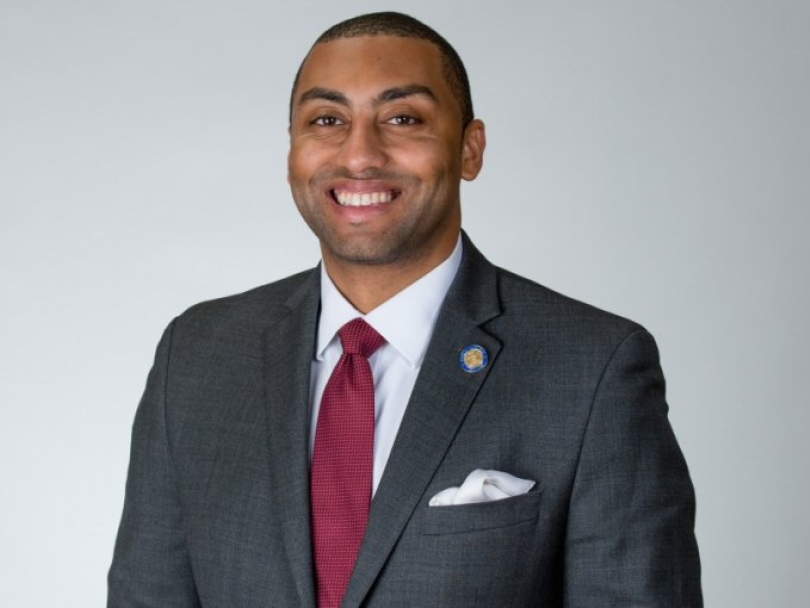
Jamaal Bailey
Jamaal Bailey Senate · District 36
D
Strong +
100% 31
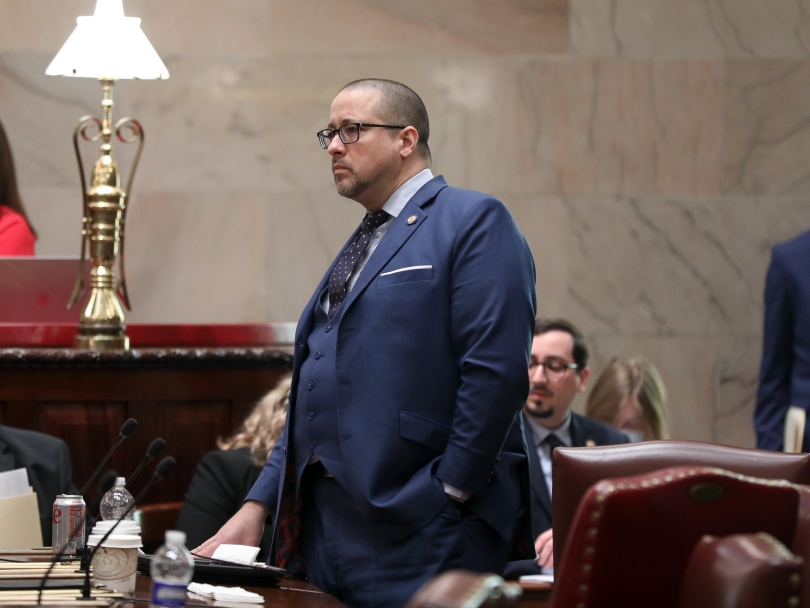
Gustavo Rivera
Gustavo Rivera Senate · District 33
D
Strong +
100% 29
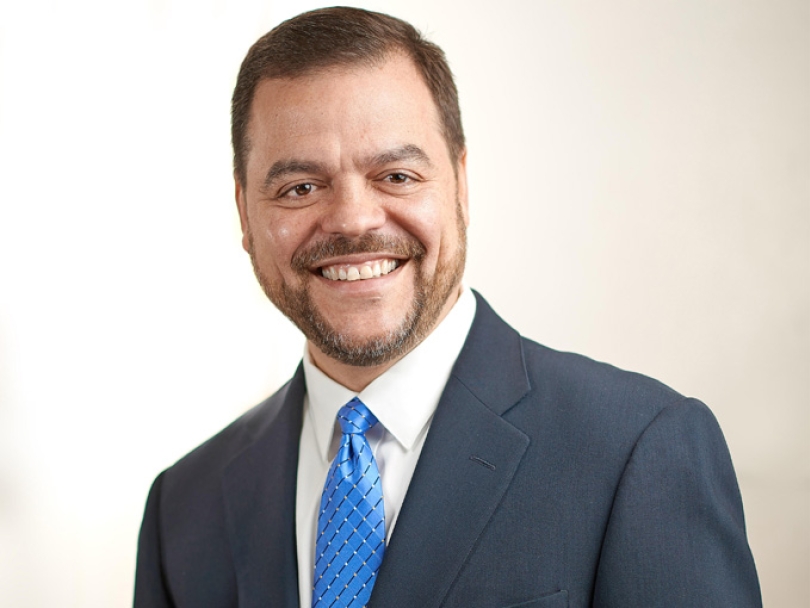
Julia Salazar
Julia Salazar Senate · District 18
D
Strong +
100% 28
Luis Sepúlveda
Luis Sepúlveda Senate · District 32
D
Strong +
100% 28
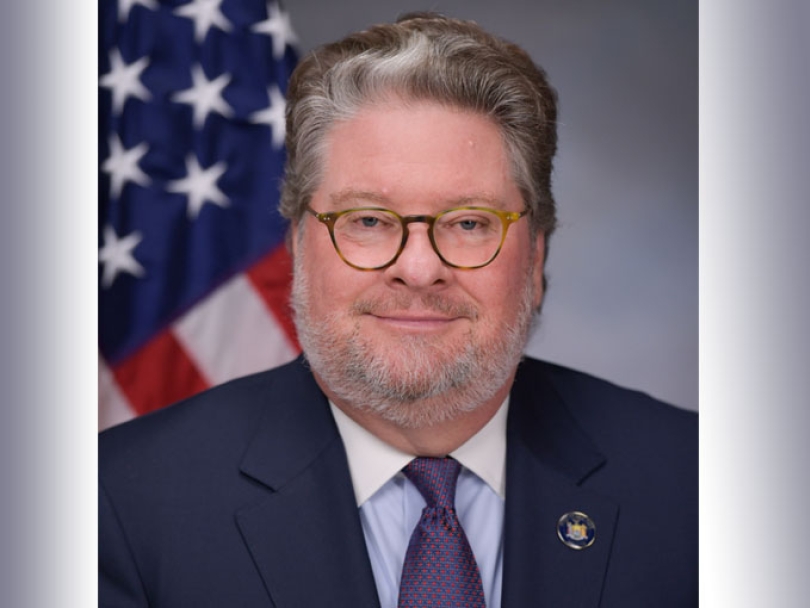
Pete Harckham
Pete Harckham Senate · District 40
D
Strong +
100% 27
Patrick Gallivan
Patrick Gallivan Senate · District 60
R
Strong −
0% 20
Dan Stec
Dan Stec Senate · District 45
R
Strong −
0% 18
Rob Ortt
Rob Ortt Senate · District 62
R
Strong −
0% 16
Mark Walczyk
Mark Walczyk Senate · District 49
R
Strong −
0% 13
Alexis Weik
Alexis Weik Senate · District 8
R
Strong −
0% 12
Showing 171–180 of 189 bills

All criminal justice bills

in committee · New York · Senate Jan 7, 2026

S 5793: Repeals provisions of the executive law relating to probation and prohibits certain fees relating thereto

Relates to probation administrative fees; prohibits certain fees associated with probation; provides for the termination and discharge of certain sentences.
Sub-Topics Probation & Parole
in committee · New York · Senate Jan 7, 2026

S 7029: Relates to expanding prison work release program eligibility and participation

This bill expands eligibility for prison work release programs by adjusting who qualifies. It allows incarcerated individuals eligible for parole within two years (or 18 months for certain drug offenders) to participate, while maintaining exclusions for those convicted of escape, specific violent offenses (like aggravated harassment), or sex crimes. Key provisions include requiring 18 months served for second felony drug offenders and barring participation for individuals convicted of murder, rape, or persistent sexual abuse. The bill also mandates department reviews if parole is denied during participation and requires commissioner approval for certain high-risk cases.
in committee · New York · Senate Jan 7, 2026

S 1245: Revokes community supervision for certain conduct

This bill changes probation rules by restricting when people on community supervision (like probation) can be sent back to jail. It prohibits reincarceration for minor technical violations (such as curfew breaches, unpaid fees, or failing to notify a supervisor), but allows it for violations related to serious offenses like kidnapping, coercion, or firearm use. For absconding, it sets maximum jail periods (30 days for first violation, up to 90 days for repeat offenses). The law affects individuals on probation for specific crimes, particularly those involving violence or weapons, aiming to limit jail time for minor infractions while maintaining enforcement for high-risk conduct.
in committee · New York · Senate Jan 7, 2026

S 1646: Requires certain employees of the New York state department of corrections and community supervision to wear body cameras

Requires every parole officer and employee of the department of corrections and community supervision to wear body cameras with video and audio whenever they are interacting with a parolee; implements the use of cameras in every official office and room in the department.
passed · New York · Senate May 18, 2026

S 360: Relates to expanding the health department's review of correctional health services

Expands the health department's review of correctional health services by including a biennial study of health care staffing at facilities operated by the department of corrections and community supervision.
in committee · New York · Senate Jan 7, 2026

S 5287: Relates to authorizing home confinement for certain prisoners during a declared state of emergency

Authorizes the commissioner to place certain incarcerated individuals in home confinement during a declared state of emergency if such state of emergency conditions materially affect the functioning of the department of corrections and community supervision.
passed · New York · Senate Mar 16, 2026

S 630: Requires victims be notified of right to make a victim impact statement and allows them to personally appear at parole hearings and make such a statement

Requires the district attorney to notify victims by letter of the final disposition of the case within sixty days of such disposition in cases where such final disposition includes a conviction; provides such letter shall also notify victims of their right to make a victim impact statement; allows them to personally appear at parole hearings and make such a statement.
in committee · New York · Senate Jan 7, 2026

S 321: Relates to third party statements to the parole board

Provides that any person interested in the grant or denial of discretionary release shall have the right to submit a written statement of views in support of or in opposition to the granting of discretionary release which the parole board may consider.
in committee · New York · Senate Jan 7, 2026

S 5243: Requires the county sheriff to oversee an annual jail staffing analysis and provide a report to the commission of corrections and community supervision

Requires the county sheriff to oversee an annual jail staffing analysis and provide a report to the commission of corrections and community supervision and give the public the opportunity to view the statistics of their local county jail.
passed · New York · Assembly May 4, 2026

A 8930: Relates to risk assessment instruments for sex offenders

This bill amends New York's correction law to standardize how courts determine sex offender registration levels and classifications. It requires courts to use specific risk assessment tools to decide if a sex offender (released on probation, conditional discharge, or with a fine) must register long-term, be classified as a sexual predator/violent offender, or receive higher community notification. The process includes mandatory hearings where the district attorney must prove classifications with clear evidence, offenders can present evidence, and courts must provide written notices explaining the classification's impact on registration duration and public disclosure. The bill also ensures confidentiality for board recommendations and guarantees legal representation for financially unable offenders.
Sub-Topics Probation & Parole
Showing 171 to 180 of 189 bills