Issue · Budget & Taxes

Budget & Taxes (State Budget)

Every budget & taxes bill, vote, and legislator stance in New York, automatically classified by Maddy, our AI policy reader.

Total bills
208
2025 Regular Session
Top supporter
Jamaal Bailey
100% support rate
Top opponent
Andrew Lanza
2% support rate
Ranked legislators
10
5 support · 5 oppose
Key legislators

Who's moving state budget in New York

Legislators moving state budget in New York
Legislator Party Stance Support rate Votes
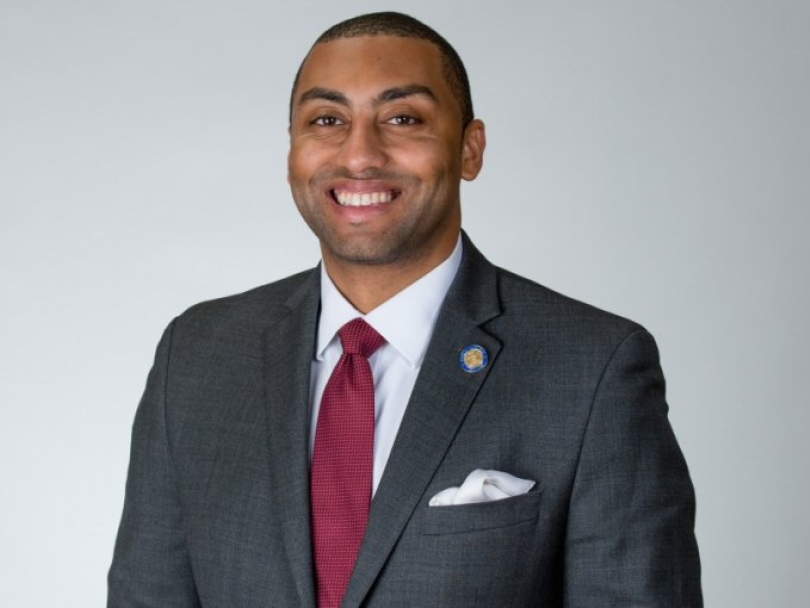
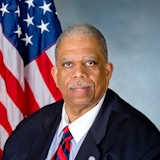
Jamaal Bailey
Jamaal Bailey Senate · District 36
D
Strong +
100% 49
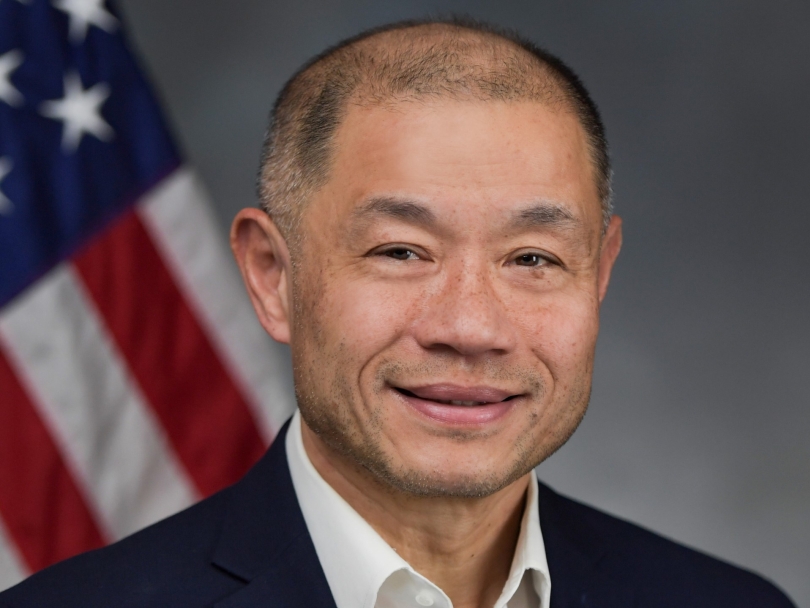
John Liu
John Liu Senate · District 16
D
Strong +
100% 48
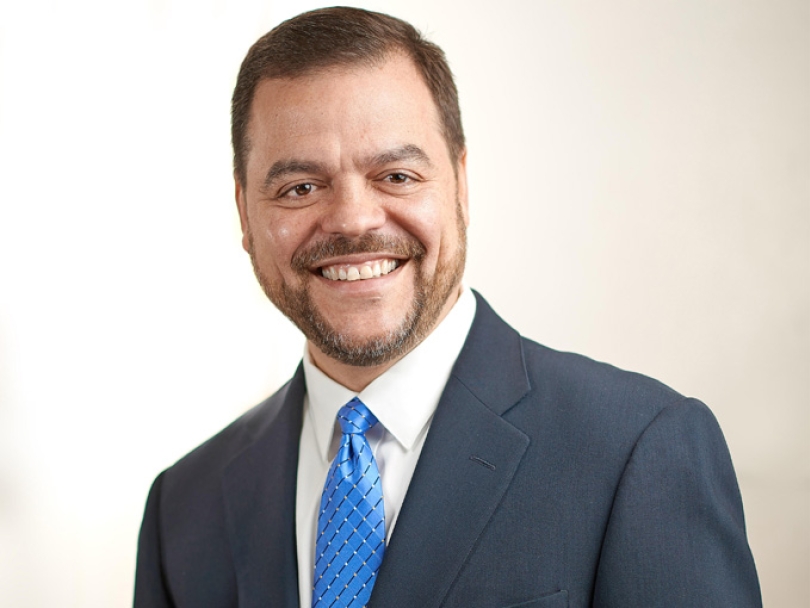
Luis Sepúlveda
Luis Sepúlveda Senate · District 32
D
Strong +
100% 48
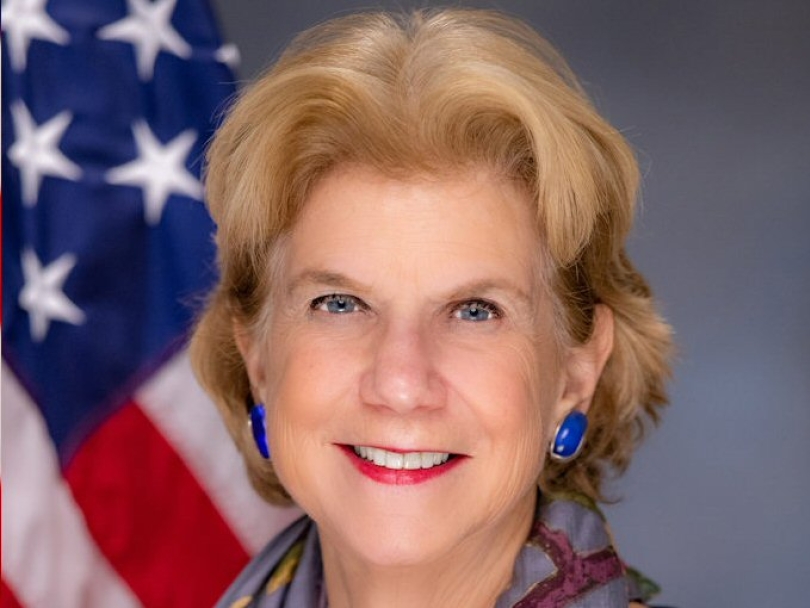
Shelley Mayer
Shelley Mayer Senate · District 37
D
Strong +
100% 48
Leroy Comrie
Leroy Comrie Senate · District 14
D
Strong +
100% 47
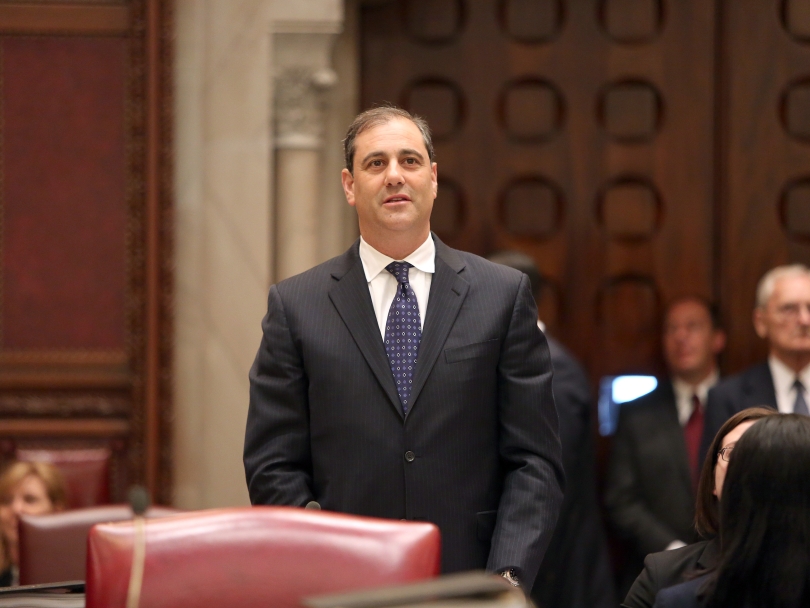
Andrew Lanza
Andrew Lanza Senate · District 24
R
Strong −
2% 40
Alexis Weik
Alexis Weik Senate · District 8
R
Strong −
3% 32
Patricia Canzoneri-Fitzpatrick
Patricia Canzoneri-Fitzpatrick Senate · District 9
R
Strong −
3% 32
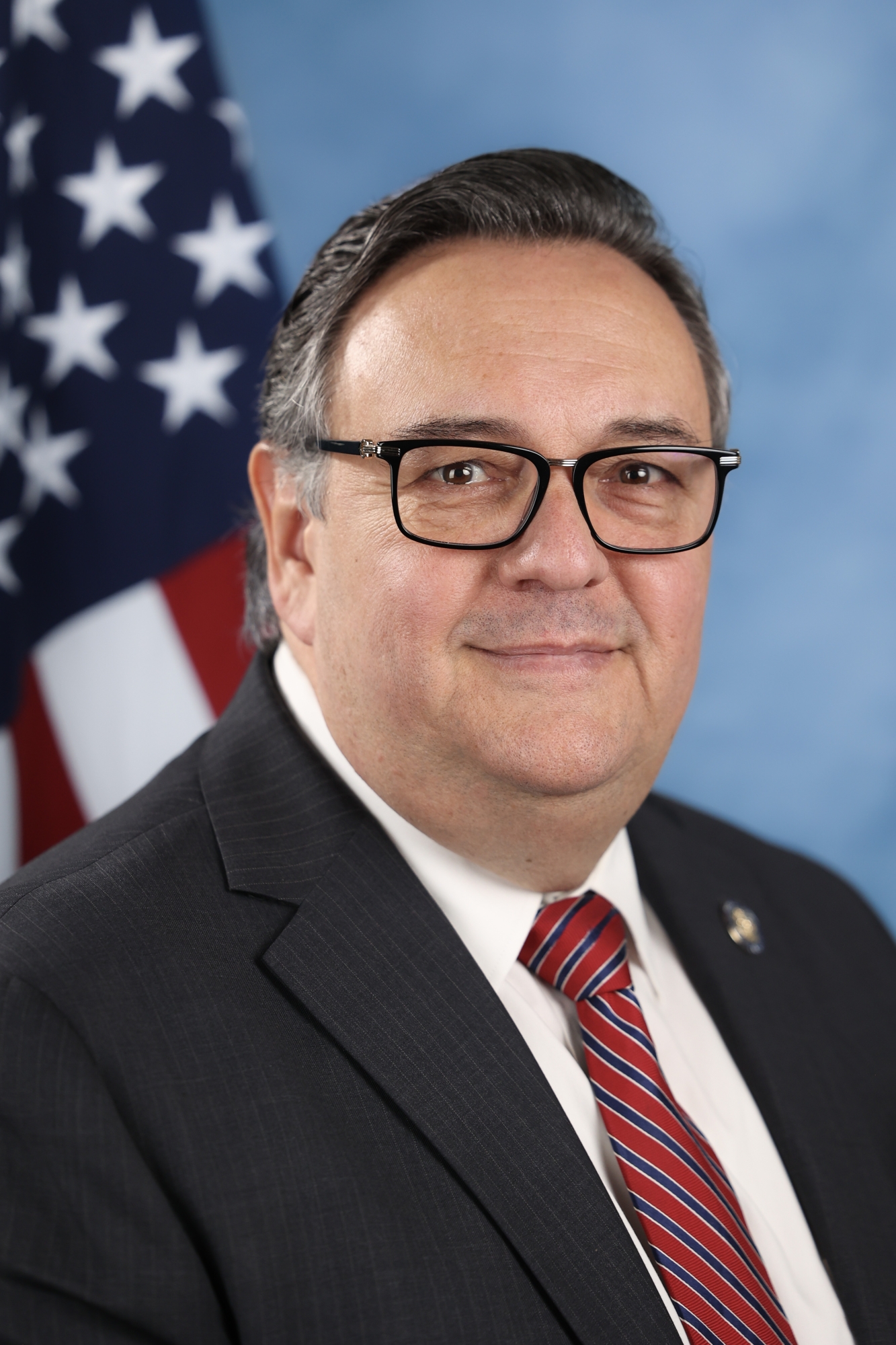
Sam Pirozzolo
Sam Pirozzolo House · District 63
R
Strong −
9% 32
Pam Helming
Pam Helming Senate · District 54
R
Strong −
12% 49
Showing 1–10 of 208 bills

All budget & taxes bills

in committee · New York · Assembly Jun 12, 2026

A 11610: Authorizes the city of Glen Cove to impose a hotel and motel tax

This bill authorizes the city of Glen Cove to impose a four percent tax on overnight lodging at hotels, motels, bed and breakfasts, and similar facilities. The tax applies to the rental rate for each room but excludes permanent residents who stay for at least thirty consecutive days. Revenue collected from this tax will be deposited into the city's general fund for any lawful purpose. The legislation also establishes rules for how the tax is collected, filed, and legally reviewed.
Sub-Topics State Budget
signed · New York · Senate Aug 21, 2026

S 9862: Authorizes the town of Minisink to impose a hotel and motel tax

This bill authorizes the town of Minisink in Orange County to impose a five percent tax on hotel and motel stays. The tax applies to transient guests, including those at bed and breakfast establishments, but excludes permanent residents who stay for at least ninety consecutive days. Revenue generated from the tax will be deposited into the town's general fund to support municipal services and infrastructure. The legislation also outlines how the tax will be collected, the frequency of payments, and the process for appealing tax assessments.
Sub-Topics State Budget
in committee · New York · Assembly Jun 5, 2026

A 11115: Permits the town of Monroe to impose a hotel and motel tax

This bill authorizes the town of Monroe to implement a new tax on hotel and motel stays, which would directly affect guests staying in these facilities. The tax rate is capped at five percent of the nightly room cost and applies to various lodging types, including bed and breakfasts, but excludes permanent residents who stay for at least ninety consecutive days. Revenue collected from this tax would go into the town's general fund for any lawful purpose, and the law includes specific rules for tax collection, payment deadlines, and legal appeals. The measure is temporary, set to expire and be repealed three years after it takes effect.
Sub-Topics State Budget
in committee · New York · Assembly Apr 27, 2026

A 11150: Provides for emergency appropriation for the period April 1, 2026 through April 30, 2026

This bill provides emergency funding for the state government to cover essential expenses from April 1, 2026, through April 30, 2026. It authorizes the comptroller to make payments for employee salaries, benefits, and operational costs for all state departments and agencies during this period. The legislation also allocates specific funds to settle liabilities related to contracts, grants, and capital projects that were approved before or after the start of the fiscal year. This measure serves as a temporary financial bridge until the governor's regular budget bills for the full fiscal year are passed and enacted.
in committee · New York · Assembly Apr 29, 2026

A 11165: Provides for emergency appropriation for the period April 1, 2026 through May 4, 2026

Bill A 11165 provides emergency funding to state government agencies for a short period from April 1, 2026, to May 4, 2026. This money is intended to cover essential expenses such as employee paychecks, operational costs, and approved contracts while the legislature works on passing the full annual budget. The bill authorizes specific dollar amounts for personal services, non-personal state operations, and capital projects to ensure government functions continue without interruption. It applies to all state departments and agencies, including those serving the executive and legislative branches.
signed · New York · Senate Apr 22, 2026

S 9999: Provides for emergency appropriation for the period April 1, 2026 through April 27, 2026

This bill provides emergency funding to state government agencies to cover essential expenses from April 1, 2026, through April 27, 2026. It authorizes the comptroller to make payments for employee salaries, benefits, and various operational costs while waiting for the full state budget to be finalized. The legislation allocates specific amounts for personal services, non-personal service liabilities, and contracts or grants approved during the fiscal year. This temporary measure ensures that state departments can continue their daily operations and pay staff without interruption during the short gap before the new fiscal year's budget takes effect.
signed · New York · Senate Apr 27, 2026

S 10060: Provides for emergency appropriation for the period April 1, 2026 through April 30, 2026

This bill provides an emergency appropriation of approximately $1.5 billion to fund state government operations for the month of April 2026. It directly affects all state departments, agencies, and employees by authorizing payments for salaries, benefits, and necessary business expenses. The legislation ensures that the state can continue paying its workers and covering operational costs while waiting for the governor to submit the official annual budget. Once signed into law, these funds become available immediately to prevent any interruption in government services during the fiscal year.
signed · New York · Senate Apr 29, 2026

S 10103: Provides for emergency appropriation for the period April 1, 2026 through May 4, 2026

This bill provides emergency funding to state government agencies for the period from April 1, 2026, through May 4, 2026. The legislation authorizes the comptroller to make payments for employee salaries, benefits, and operational expenses until the regular state budget is enacted. Specific allocations include approximately $1.49 billion for personal services, $44 million for non-personal service liabilities, and $30 million for approved contracts and capital projects. By passing this measure, the legislature ensures that state departments and agencies can continue their daily operations without interruption during this temporary gap in funding.
in committee · New York · Assembly May 4, 2026

A 11250: Provides for emergency appropriation for the period April 1, 2026 through May 6, 2026

This bill provides emergency funding to keep state government operations running from April 1, 2026, through May 6, 2026, while waiting for the regular annual budget to be passed. It authorizes the state comptroller to pay salaries for state employees and cover essential operating costs, such as utilities and supplies, during this specific period. The legislation also allocates money to settle liabilities related to contracts and grants approved before and after April 1, as well as funds for employee benefits. These financial measures ensure that state departments and agencies can continue their daily functions without interruption until the full fiscal year budget is enacted.
in committee · New York · Senate Apr 7, 2026

S 9823: Enables any city having a population of one million or more to impose and collect taxes on vacant ground floor commercial premises

This bill allows cities with populations of one million or more to levy taxes on ground-floor commercial spaces that have been empty for at least six months. The tax rate is capped at $2,000 per square foot annually and can vary by neighborhood, with revenues going directly to the city's general fund. To prevent punishing businesses undergoing renovations, the law excludes properties where construction documents for alterations have been filed from being considered vacant until the work is complete or a year has passed. Local governments will determine specific definitions, filing requirements, and payment schedules, while owners can appeal tax assessments through the state's Article 78 process.
Sub-Topics State Budget
Showing 1 to 10 of 208 bills
1 2 3 21 Next