

Maddy summaryThe MARA Act of 2026 establishes a new Office of Aquaculture within the National Oceanic and Atmospheric Administration to oversee and promote commercial-scale offshore aquaculture projects in U.S. waters. This new office will coordinate with other federal agencies to streamline the permitting process, develop best management practices based on scientific data, and provide technical assistance and grants to industry stakeholders. The bill authorizes the issuance of permits for demonstration projects that must use native species, minimize environmental risks, and prioritize the safety of existing fishing and navigation activities. Additionally, the legislation mandates two major studies: one by the National Academies to evaluate the scientific basis for regulating offshore aquaculture and another by the Government Accountability Office to assess the economic and regulatory viability of the industry over time.
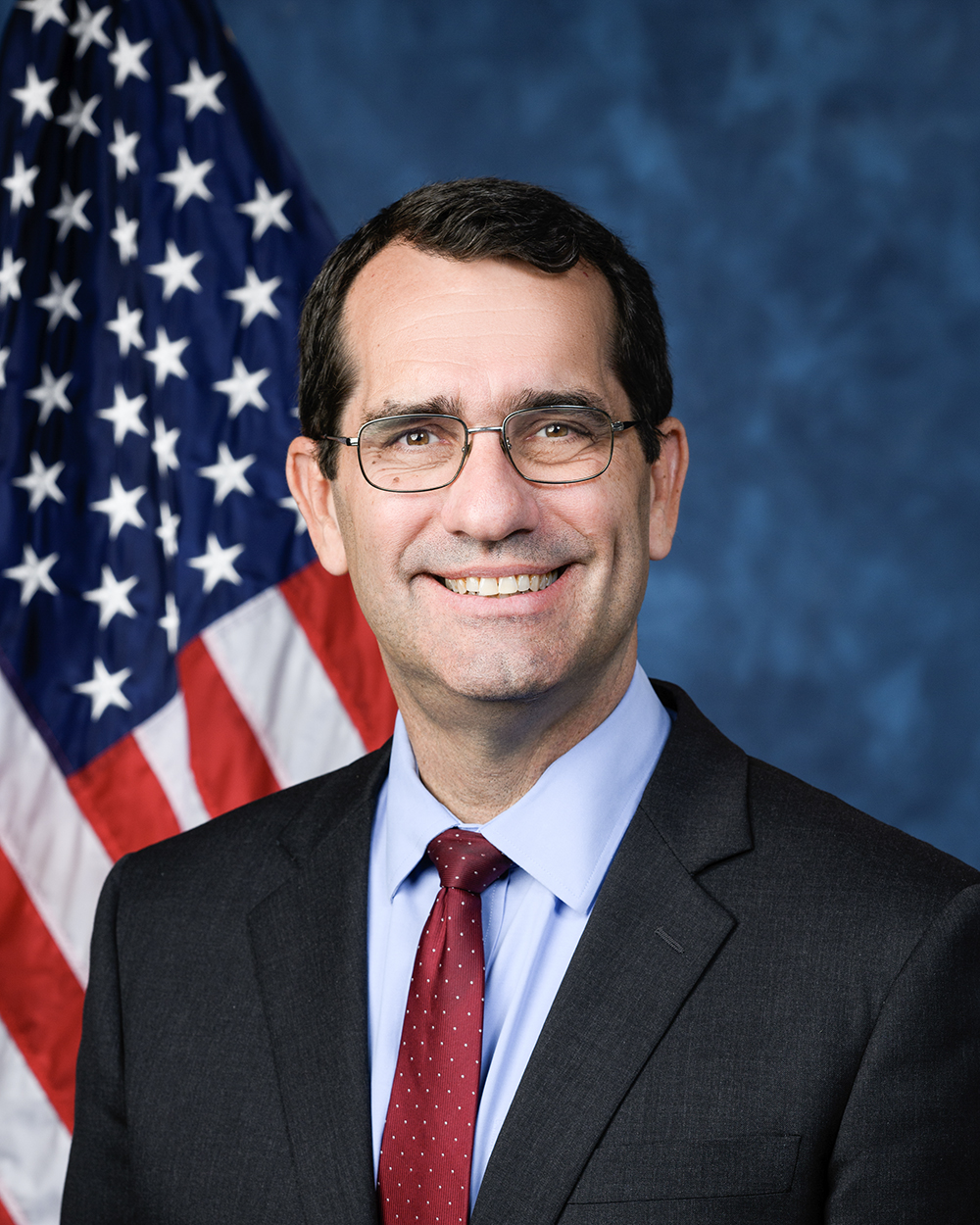
Rep. Derek Schmidt
Sponsored bills
Maddy summaryThis bill, known as the ABLE MATCH Act, aims to help individuals with disabilities save money by providing a federal tax credit that is automatically deposited into their ABLE savings accounts. The program targets low-income earners by offering a 100% match on up to $2,000 of annual contributions, provided their income falls below 200% of the federal poverty limit, with the credit amount gradually decreasing for higher incomes. To support wider adoption, the legislation also authorizes the Treasury to award $5 million annually in grants to states for promoting these accounts and includes a requirement for collecting demographic data on account holders. These changes are designed to increase financial security for people with disabilities by encouraging savings without jeopardizing their eligibility for other government benefits.
Maddy summaryHR 1266, the Combating Illicit Xylazine Act, adds xylazine - a veterinary sedative increasingly found in illicit drug mixtures - to Schedule III of the Controlled Substances Act, regulating its use and trafficking. It directly affects veterinarians, animal owners, and manufacturers by allowing xylazine to be legally dispensed for animal use under specific veterinary prescriptions, while prohibiting non-veterinary human use. The bill includes transition periods (60 days for practitioners, 1 year for labeling) to ease compliance for manufacturers and practitioners, and requires the DEA and FDA to expedite necessary applications. It also mandates two congressional reports on xylazine's illicit use and trafficking patterns, and directs the Sentencing Commission to review penalties for offenses involving xylazine.
Maddy summaryThis bill directs the Secretary of Defense to create the Senator Robert J. Dole Greatest Generation Education Program, which aims to increase public awareness of World War II history and its lessons. The program will operate by providing grants to state and local governments and nonprofit organizations to fund educational events that honor veterans, highlight the home front's contributions, and teach patriotism to young people. Recipients must use the funds for new initiatives rather than existing secondary school curricula, and the Department of Defense retains exclusive rights to the program's name and symbols.
Maddy summaryThis bill requires Medicare Advantage plans to implement electronic pre-approval systems for medical services by 2028 and meet transparency reporting standards starting in 2027. Plans must publicly report data on approval/denial rates, appeal outcomes, response times, and technology use for pre-approval requests, including details on how denials relate to clinical criteria. It establishes a 24-hour response timeframe for certain requests and mandates annual reviews of pre-approval requirements based on data and input from seniors and providers. The law directly affects Medicare Advantage plans, seniors enrolled in these plans, and healthcare providers who submit pre-approval requests. These changes aim to make the pre-approval process faster, more transparent, and more accountable for seniors seeking covered medical services.
Maddy summaryHR 3100 amends the National Child Protection Act of 1993 to expand background check requirements. It allows businesses and organizations working with vulnerable populations (like children or elderly individuals) to request background checks for their contractors and for people they license or certify to provide care. The bill modifies the law to include individuals "contracted with" or "licensed/certified by" these organizations as those requiring background checks. This change directly affects organizations serving vulnerable groups, their contractors, and licensed care providers by broadening the scope of background checks mandated under the Act.
Protecting Privacy in Purchases Act This bill prohibits payment card networks from using merchant codes that distinguish firearms retailers from general-merchandise retailers or sporting-goods retailers. The Department of Justice must enforce this bill and report annually on the resulting investigations and cases.
Maddy summaryThe Declaration of Independence Reaffirmation Act of 2026 directs Congress to formally reaffirm the Declaration of Independence as an organic law of the United States. This legislative measure is intended to commemorate the 250th anniversary of American independence by restating the document's principles regarding natural rights, equal citizenship, and government by consent. The bill includes the full text of the Declaration of Independence as part of its provisions. It does not create new legal obligations or alter existing laws but serves as a symbolic recognition of the document's foundational role in American political order.
Maddy summaryThis bill creates a new National Fraud Enforcement Division within the Department of Justice to lead efforts against fraud targeting the federal government, federally funded programs, and American citizens. The division will be headed by an Assistant Attorney General appointed by the President and Senate, who will oversee complex investigations, guide local prosecutors, and coordinate with other federal agencies to stop organized fraud schemes. Additionally, the leader of this new unit will set national enforcement priorities and suggest legal or regulatory changes to fix systemic weaknesses that allow fraud to occur.
Maddy summaryHR 4398, the Veteran Burial Timeliness and Death Certificate Accountability Act, requires Veterans Affairs (VA) physicians or nurse practitioners to certify the death of a veteran who dies of natural causes within 48 hours of learning of the death. This directly affects veterans' families, who previously faced delays of up to eight weeks in burial and access to survivor benefits due to slow death certifications. The bill mandates annual reports to Congress on VA compliance with the 48-hour rule, including statistics on delays and their causes. The key change is establishing a strict timeline for death certification to prevent unnecessary delays in honoring veterans' final arrangements.