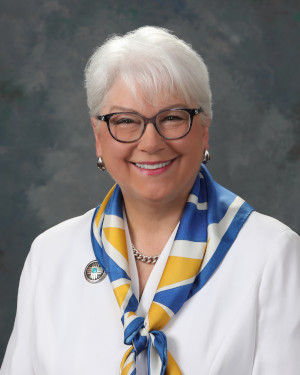
HB 213 proposes to expand the scope of practice for optometrists in New Mexico by adding specific minor surgical procedures to the definition of "practice of optometry." The bill would allow optometrists to perform procedures like removing superficial eyelid lesions, foreign bodies from the eye, and certain laser treatments for conditions such as cataracts or glaucoma - previously restricted to ophthalmologists. It also grants the Board of Optometry additional authority to develop certification standards for pharmaceutical use and laser procedures. This change directly affects optometrists in New Mexico by expanding their permitted clinical services without physician supervision. The bill, currently in committee review, does not alter existing exemptions for physicians or eyeglass sellers.
HB 99 clarifies definitions in New Mexico's Medical Malpractice Act and makes three key changes: it limits punitive damages in malpractice cases, clarifies who qualifies as a "health care provider" (including hospitals, outpatient facilities, and independent doctors), and requires payments from the Patient's Compensation Fund to be made as medical expenses are incurred rather than in lump sums. The bill directly affects health care providers (such as doctors, hospitals, and clinics), insurers, and patients filing malpractice claims. Key mechanisms include updating legal definitions to distinguish between hospital-controlled facilities and independent providers, capping punitive damages (though the exact amount isn't specified in the excerpt), and changing how compensation fund payments are processed. These changes aim to streamline claims handling while clarifying legal responsibilities for medical malpractice cases.
HB 156 would repeal specific vaccination-related provisions from New Mexico's 2025 First Special Session laws (Laws 2025, 1st S.S., Ch. 5, §§ 8-13). These repealed sections would have otherwise taken effect on July 1, 2026, governing certain vaccination policies. The bill removes these provisions from state law, effectively eliminating the requirements they established. As of now, the bill has passed committee hearings but remains pending legislative action.