Issue · Criminal Justice

Criminal Justice

Every criminal justice bill, vote, and legislator stance in New Mexico, automatically classified by Maddy, our AI policy reader.

Total bills
108
119th Congress
Top supporter
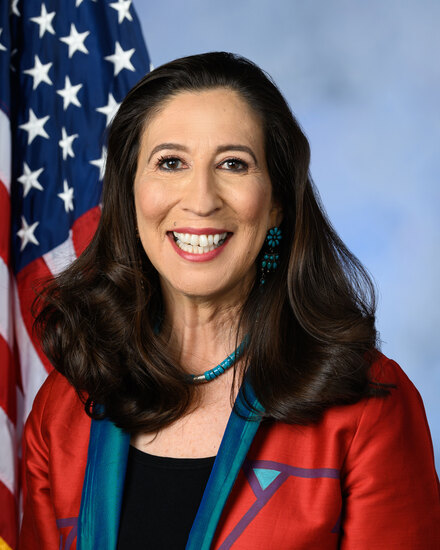
Teresa Leger Fernandez
71% support rate
Top opponent
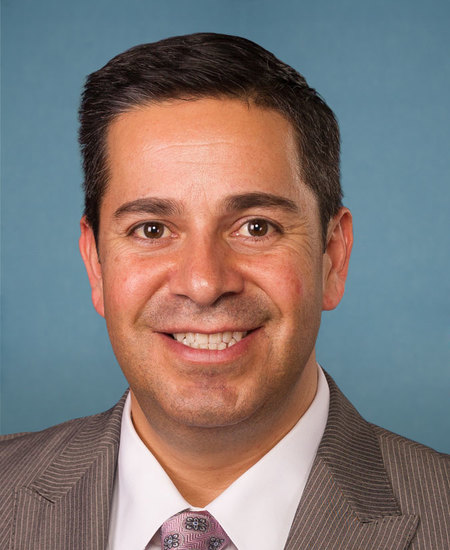
Ben Ray Luján
16% support rate
Ranked legislators
5
3 support · 2 oppose
Key legislators

Who's moving criminal justice in New Mexico

Legislators moving criminal justice in New Mexico
Legislator Party Stance Support rate Votes
Teresa Leger Fernandez
Teresa Leger Fernandez House · District 3
D
Support
71% 134
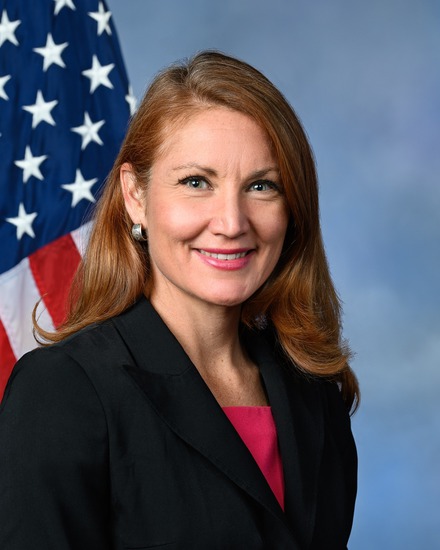
Melanie A. Stansbury
Melanie A. Stansbury House · District 1
D
Support
60% 153
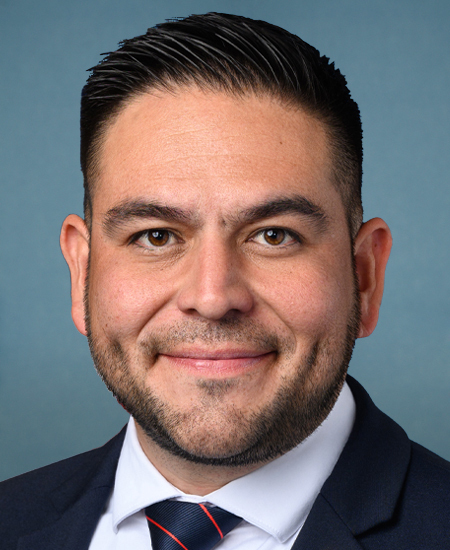
Gabe Vasquez
Gabe Vasquez House · District 2
D
Mixed
50% 153
Ben Ray Luján
Ben Ray Luján Senate
D
Strong −
16% 171
Martin Heinrich
Martin Heinrich Senate
D
Strong −
16% 169
Showing 1–10 of 108 bills

All criminal justice bills

in committee · United States · Senate Jul 30, 2026

S 5196: No Trump Immunity Act

The No Trump Immunity Act prohibits federal agencies from granting legal immunity or releasing claims against the President, Vice President, their immediate family, related trusts, or businesses they own. This restriction specifically targets actions involving money laundering for designated foreign entities and criminal groups, trading on insider information about potential wars with Iran, abusing young women, or illegally diverting taxpayer funds to personal associates. The law defines presidentially owned entities as those where the President or Vice President holds a significant ownership stake, excluding large corporations where their individual share is minimal. By banning these specific waivers, the bill aims to ensure that claims related to these serious allegations can be pursued without executive interference.
in committee · United States · House Jul 21, 2026

HR 9817: Justice for Incarcerated Moms Act

The Justice for Incarcerated Moms Act aims to improve maternal health outcomes for pregnant and postpartum individuals in the criminal justice system by restricting financial incentives for states that use restraints on pregnant inmates. Under the bill, states receiving federal justice grants would face a 25 percent funding penalty if they fail to implement laws limiting the use of shackles on pregnant individuals, with those withheld funds redirected to compliant states. The legislation also directs the Bureau of Prisons and the Department of Justice to create and fund programs in at least six federal facilities and across various state and local prisons that provide specialized prenatal care, mental health support, and reentry assistance. These programs are designed to address specific health disparities, particularly for racial and ethnic minority groups, by offering culturally competent care, nutrition counseling, and opportunities to maintain contact with newborn children. Additionally, the act requires an independent oversight organization to monitor program implementation and mandates a Government Accountability Office report to analyze maternal and infant health data within the correctional system.
in committee · United States · Senate Jul 16, 2026

S 5022: Cannabis Administration and Opportunity Act

The Cannabis Administration and Opportunity Act fundamentally changes federal law by removing marijuana from the Controlled Substances Act, effectively decriminalizing it at the federal level and allowing states to regulate their own cannabis markets without federal interference. To manage this new landscape, the bill creates a new federal agency called the Alcohol, Tobacco, and Cannabis Tax and Trade Bureau to oversee licensing, collect taxes, and prevent illicit trade, while also establishing a new Center for Cannabis Products within the FDA to regulate safety and labeling. The legislation includes significant restorative justice measures, such as automatically expunging federal cannabis convictions and prohibiting discrimination against individuals with such records in areas like immigration, security clearances, and access to federal benefits. Additionally, the bill provides billions of dollars in funding to support research into the health effects of cannabis, expand access to financial services for legitimate cannabis businesses, and assist communities and individuals harmed by past prohibition enforcement.
in committee · United States · Senate Jul 15, 2026

S 5005: Epstein Files Transparency Act II

This bill, known as the Epstein Files Transparency Act II, strengthens the ability of state attorneys general, district attorneys, and victims to legally challenge the U.S. Attorney General for withholding or redacting records related to the Jeffrey Epstein investigation. It grants these parties the right to sue in federal court to force the release of unredacted documents, including classified materials, while requiring courts to expedite these cases. The legislation clarifies that federal agencies cannot use standard legal privileges to hide relevant evidence and explicitly defines who qualifies as a victim for the purposes of accessing these files. Additionally, it ensures that state and local law enforcement can use the released information in their own investigations without being restricted by federal privacy regulations.
Sub-Topics Courts Law Enforcement Tags Government Transparency
in committee · United States · House Aug 31, 2026

HRES 1430: Providing for consideration of the bill (H.R.185) to advance responsible policies.

This resolution allows the House of Representatives to immediately consider and pass H.R. 185, known as the Epstein Files Transparency Act II, which strengthens rules for releasing government documents related to the Jeffrey Epstein case. The bill empowers state attorneys general and victims to sue the U.S. Attorney General in federal court if they believe records are being unlawfully withheld, redacted, or delayed, while also requiring courts to expedite these legal cases. It mandates that victims receive unredacted copies of records pertaining to them and grants state law enforcement full access to previously sealed or classified materials for their investigations. Additionally, the law imposes criminal penalties on federal officials who conceal or falsify records and requires Members of Congress to receive unredacted documents within seven days of requesting them.
Sub-Topics Courts Law Enforcement
in committee · United States · Senate Jul 14, 2026

S 4966: High Court Gift Ban Act

The High Court Gift Ban Act prohibits federal judges from accepting gifts from individuals or entities that have a current or potential interest in cases before them. Under this law, judges can only accept items of value from prohibited sources if the gift is worth less than $50 and the total value from that source in a calendar year does not exceed $100. The bill includes specific exceptions for gifts from relatives, other judges, honorary degrees, public events, and certain professional organization benefits. Violations of the ban can result in civil penalties of up to $50,000 or criminal charges including fines and imprisonment. The Supreme Court and the Judicial Conference are required to create regulations within 180 days to enforce these new restrictions.
Sub-Topics Courts
in committee · United States · House Jul 15, 2026

HR 9694: Epstein Files Transparency Act II

This bill strengthens the Epstein Files Transparency Act by giving state attorneys general and victims the legal right to sue the U.S. Attorney General if they unlawfully withhold, redact, or delay access to investigation records. It requires the Justice Department to provide unredacted copies of documents to state officials for use in investigations and to victims personally, while allowing redactions only to protect the privacy of other victims. The legislation also mandates that courts expedite these cases, removes common legal excuses for hiding documents, and imposes criminal penalties on federal employees who obstruct compliance. Additionally, it grants Members of Congress the authority to request full access to records and to file lawsuits if the Attorney General fails to comply within a set timeframe.
Sub-Topics Human Trafficking Victims' Rights Tags Government Transparency
in committee · United States · House Jul 14, 2026

HR 9688: High Court Gift Ban Act

The High Court Gift Ban Act prohibits federal judicial officers from accepting gifts from sources likely to appear before them, unless the gift is under $50, the total annual value from that source remains $100 or less, or it falls under specific exceptions like gifts from relatives or public events. The law defines a "gift" broadly to include items, services, and reimbursements, while allowing exceptions for personal hospitality within IRS limits and certain professional benefits available to the general public. Enforcement mechanisms include referrals to the Attorney General for violations, which can result in civil or criminal penalties similar to those for other federal ethics breaches. The bill requires the Supreme Court and the Judicial Conference to create implementing regulations within 180 days of enactment to ensure compliance.
Sub-Topics Courts
in committee · United States · House Jul 7, 2026

HR 9374: Find Our Families Act of 2026

The Find Our Families Act of 2026 requires the Department of Homeland Security to create a public online system that allows families to locate individuals detained by Customs and Border Protection or Immigration and Customs Enforcement. This system must provide search results within eight hours of detention, display information in multiple languages, and include specific details such as names, dates of birth, and facility locations, while excluding data for minors. The bill also mandates that families be notified within five hours if a detainee is transferred for medical care and establishes new reporting requirements for CBP arrests, including details on the circumstances of the arrest and the number of agents involved. Additionally, the legislation creates a process for families to report errors in detainee information and imposes penalties on employees or contractors who fail to comply with these data-sharing and reporting obligations.
in committee · United States · House May 13, 2026

HR 8798: Universal School Meals Program Act of 2026

The Universal School Meals Program Act of 2026 mandates that all public schools provide free breakfast and lunch to every enrolled student, regardless of income. It establishes specific funding rates for these meals, adjusts payments based on the use of locally sourced food, and eliminates the ability of schools to collect debt for unpaid charges. Additionally, the bill expands free meal access to summer programs, afterschool care, and incarcerated juveniles while updating poverty measurement standards across various federal education and nutrition laws.
Sub-Topics Student Health
Showing 1 to 10 of 108 bills
1 2 3 11 Next