

Maddy summaryThis bill, known as the ASSIMILATION Act, fundamentally restructures the U.S. immigration system by replacing family-based and lottery-based admissions with a merit-based approach that prioritizes economic self-sufficiency and national interest. It directly affects prospective immigrants, current visa holders, and employers by establishing new requirements for entry, employment, and naturalization. Key provisions eliminate the diversity visa lottery, restrict family-sponsored immigration to spouses and minor children, and mandate that all immigrants demonstrate the ability to support themselves without relying on government benefits. The legislation also introduces stricter enforcement measures, such as making visa overstays a criminal offense, expanding E-Verify to all employers, and requiring higher English proficiency and tax compliance for citizenship. Additionally, it tightens asylum rules by adding a transit bar for those passing through other countries and limits parole to specific humanitarian cases rather than broad programs.
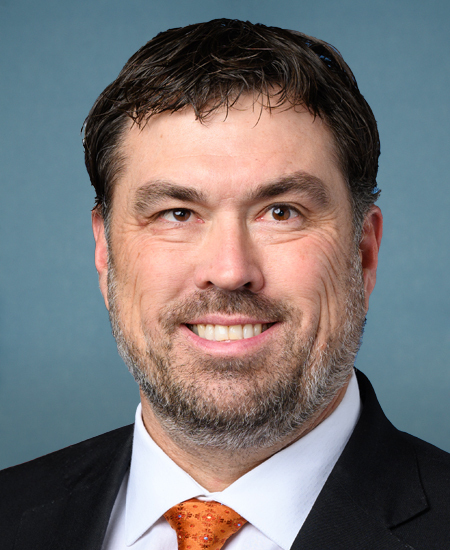
Rep. Morgan Luttrell
Sponsored bills
Maddy summaryThis bill prevents the Army from deactivating or reducing the capabilities of its Expeditionary Combat Aviation Brigades between 2027 and 2031 without first getting approval from Congress. It requires the Army Secretary to submit a detailed plan and certification showing how aircraft and personnel levels will be restored before any reductions can happen. Additionally, the law mandates that any brigades already cut back before the bill passes must be fully reinstated within one year, and it authorizes $35 million for aircraft operations and training in 2027.
Maddy summaryThis bill, known as the Cable Security Fleet Expansion Act, aims to increase the number of U.S. Coast Guard cutters dedicated to maritime security. It directly affects the Coast Guard by amending federal law to require a minimum fleet of six vessels instead of the previous two. The legislation also raises the funding cap for these ships from $5 million to $7 million and authorizes $56 million annually for the program between 2027 and 2040. These changes are designed to provide more resources for maritime safety and security operations over the next decade.
Maddy summaryThe BEACON Act of 2026 establishes two grant programs to improve treatment for veterans with chronic mild traumatic brain injury (mTBI). It authorizes $30 million over three years for grants to nonprofits, academic institutions, and health providers to develop and test non-drug neurorehabilitation approaches, focusing on mental health outcomes, suicide risk reduction, and long-term recovery. The bill requires grantees to prioritize patient-centered care, conduct clinical studies, and partner with VA facilities, with each grant capped at $5 million annually. A separate $10 million annual program funds independent research on TBI treatments, requiring third-party analysis and annual reports to Congress. The pilot programs expire after three years, with evaluations to determine future expansion.
Maddy summaryThis bill requires the Department of Veterans Affairs to share a veteran's history of opioid prescriptions with their community healthcare providers. The rule applies to veterans receiving care outside the VA system and mandates that this prescription data be sent to both the specific non-VA doctors treating them and any third-party administrators managing their care. By updating existing regulations, the legislation aims to improve coordination between VA medical records and private healthcare providers to ensure comprehensive treatment information is available.
Maddy summaryThe El Paso VA Medical Center Activation Readiness Act of 2026 requires the Secretary of Veterans Affairs to provide a briefing to key congressional committees within 180 days of the bill becoming law. This briefing focuses on the readiness of the new VA medical center under construction in El Paso, Texas, directly affecting its future operations and the veterans it will serve. It mandates detailed information on staffing requirements, recruitment plans, the timeline for acquiring and installing medical equipment, and the specialty care services to be offered. The briefing must also cover plans for coordinating with Department of Defense facilities and addressing access and travel issues for veterans in the region.
Maddy summaryHR 2137, the Review Every Veterans Claim Act of 2025, prevents the Department of Veterans Affairs (VA) from denying benefit claims solely because a veteran misses a required medical exam. It amends Section 5103A of Title 38, U.S. Code, to prohibit automatic denials for missed exams and requires the VA to consider other factors. This directly affects veterans filing claims for VA benefits who skip scheduled medical evaluations. The bill ensures veterans cannot be rejected for a claim based only on non-attendance, while allowing denials for other valid reasons.
Maddy summaryThe PEAT Act of 2026 amends federal regulations to clarify how certain biologic drugs are classified for approval purposes. Specifically, it prevents the Food and Drug Administration from denying approval to a biologic product simply because it contains a protein that does not have a clinical effect. This change ensures that the presence of inactive proteins does not automatically disqualify a drug from being treated as a biological product. The legislation directly impacts pharmaceutical companies developing complex biologics and the regulatory review process for these medicines. By removing this specific barrier, the bill aims to streamline the path to market for drugs that include non-active protein components.
Maddy summaryThis joint resolution encourages U.S. states to establish "Veterans Tax Relief Weekends" to benefit veterans, active duty military personnel, Reservists, and National Guard members. It proposes that states voluntarily implement three-day sales tax holidays coinciding with Memorial Day, Independence Day, and Veterans Day. During these periods, eligible individuals and their families would receive temporary relief from state sales taxes on consumer purchases, offering a practical way for communities to recognize their service.
Maddy summaryThis House Resolution encourages small and major businesses across the United States to voluntarily offer military appreciation discounts to members of the Armed Forces, veterans, and their families. This initiative is a non-binding gesture to honor their service during the 250th anniversary of the United States in 2026, relying solely on voluntary business participation without mandates or public funding.