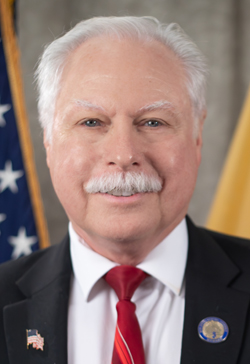
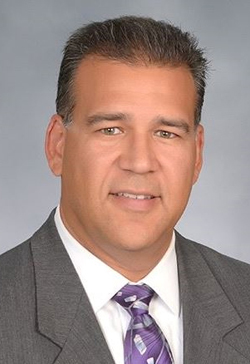
Key legislators
Who's moving transportation in New Jersey
Showing 11–13 of 13
bills
All transportation bills
This bill creates a system for New Jersey Transit (NJT) to use camera-equipped buses to enforce parking violations that block bus lanes, bus stops, or bicycle lanes. It authorizes NJT to issue citations based on recorded images of vehicles parked illegally in these zones (e.g., stopping in a dedicated bus lane or bicycle lane), after staff review. Key provisions require cameras to be visibly marked on buses, images to be stored securely for up to six months only if evidence of a violation exists, and strict rules against using facial recognition. The policy directly affects drivers who park illegally in these areas and gives them a limited process to contest citations (e.g., if the vehicle was a school bus or emergency vehicle).
This bill prohibits the $0.50 surcharge on rideshare trips that are designated for paratransit service, which includes transportation for people with disabilities and Medicaid non-emergency medical transport. It directly affects users of apps like Uber and Lyft who rely on these services for accessibility needs, ensuring they are not charged the extra fee required for regular prearranged rides. The legislation also clarifies that transportation network companies are not personally liable for these specific paratransit trips. By amending existing state laws, the bill removes the financial barrier for eligible riders while maintaining the surcharge for standard rides.
This bill expands New Jersey's existing Senior Citizens and Disabled Residents Transportation Assistance Program to provide transportation services specifically for disabled veterans needing to attend medical appointments for service-connected conditions. It directs the Department of Military and Veterans' Affairs to work with counties to identify veterans' transportation needs and provides funding by redirecting 4% of casino revenue fund allocations (previously used for senior/disabled transport) to cover these new services. The program helps counties pay for expanded transit options, including door-to-door service or subsidized rides, for veterans certified with service-connected disabilities by the U.S. Department of Veterans Affairs. This directly affects disabled veterans in New Jersey who require transportation to VA-approved medical appointments but are not covered by existing travel reimbursement programs.