Issue · Healthcare

Healthcare (Mental Health)

Every healthcare bill, vote, and legislator stance in New Jersey, automatically classified by Maddy, our AI policy reader.

Total bills
311
2026-2027 Regular Session
Top supporter
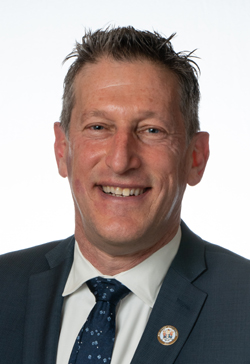
Andrew Zwicker
100% support rate
Top opponent
Declan O'Scanlon
0% support rate
Ranked legislators
10
5 support · 5 oppose
Key legislators

Who's moving mental health in New Jersey

Legislators moving mental health in New Jersey
Legislator Party Stance Support rate Decisive votes
Andrew Zwicker
Andrew Zwicker Senate · District 16
D
Strong +
100% 7
Gordon Johnson
Gordon Johnson Senate · District 37
D
Strong +
100% 7
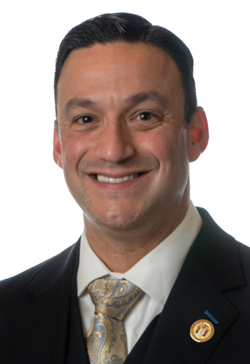
John Burzichelli
John Burzichelli Senate · District 3
D
Strong +
100% 7
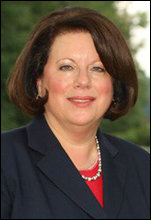
Linda Greenstein
Linda Greenstein Senate · District 14
D
Strong +
100% 7
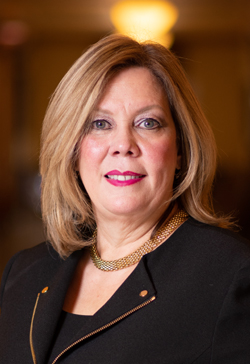
Nilsa Cruz-Perez
Nilsa Cruz-Perez Senate · District 5
D
Strong +
100% 7
Declan O'Scanlon
Declan O'Scanlon Senate · District 13
R
Strong −
0% 7
Mike Testa
Mike Testa Senate · District 1
R
Strong −
0% 7
Jim Holzapfel
Jim Holzapfel Senate · District 10
R
Strong −
0% 4
Joe Pennacchio
Joe Pennacchio Senate · District 26
R
Strong −
0% 4
Kristin Corrado
Kristin Corrado Senate · District 40
R
Strong −
0% 4
Showing 261–270 of 311 bills

All healthcare bills

in committee · New Jersey · Senate Jan 13, 2026

S 2587: Requires health insurance carriers to categorize mental health treatment and therapy received by victim of domestic violence as medically necessary treatment and provide full benefits coverage therefor.

This bill (S 2587) requires New Jersey health insurance companies to cover mental health treatment and therapy for domestic violence victims as "medically necessary," eliminating any policy provision that would deny such coverage. It directly affects domestic violence victims seeking mental health care and applies to all health insurance policies (group, individual, and health service contracts) sold in New Jersey. The law mandates that insurers provide full coverage for these services at the same level as other medically necessary treatments, with no separate co-pays or denials based on the domestic violence context. The bill amends existing insurance statutes to explicitly prohibit coverage denials for mental health care related to domestic violence, ensuring victims receive equal treatment under their insurance plans.
in committee · New Jersey · Senate Jan 13, 2026

S 1610: Requires regional diagnostic and treatment center for child abuse and neglect to establish mobile team to respond to certain hospital requests to perform forensic child abuse examinations.

This bill requires New Jersey's four regional child abuse treatment centers to create 24/7 mobile teams that respond to hospital requests for specialized medical evaluations of children under 13 suspected of abuse or neglect. Hospitals must contact the county-based center when a child under 13 is referred by a school nurse, doctor, or family for abuse investigations, or presents with unexplained injuries inconsistent with their age. The mobile teams - staffed with medical and mental health professionals - will conduct forensic examinations directly at hospitals, replacing current center-based visits. The state will fund these mobile teams through the Department of Children and Families, with implementation required within 180 days of enactment.
in committee · New Jersey · Senate Jan 13, 2026

S 493: Increases personal needs allowance to $100 for low-income persons residing in certain facilities.

S 493 increases the monthly personal needs allowance (PNA) from $50 to $100 for low-income residents in nursing homes, state psychiatric hospitals, and state developmental centers who receive Medicaid or Supplemental Security Income (SSI) benefits. This allowance allows residents to spend money on personal items like phone calls, meals out, clothing, or hobbies - not facility costs. The bill amends two existing statutes (P.L.1985, c.286 and P.L.1973, c.256) to raise the minimum PNA amount and requires adjustments to state payments for SSI recipients. The change doubles the current allowance under New Jersey law, aligning with the state's obligation to supplement federal SSI benefits.
Sub-Topics Medicaid Mental Health
in committee · New Jersey · Senate Jan 13, 2026

S 1905: Establishes counseling program for eligible family members of active duty military members and disabled veterans.

This bill establishes a state-funded counseling program for family members of New Jersey's active-duty military members and disabled veterans. It requires the Department of Military and Veterans' Affairs to reimburse licensed mental health professionals for up to 10 counseling sessions per year (in-person or via telehealth) for eligible family members. Eligible family members include spouses, domestic partners, civil union partners, or children of active-duty service members or disabled veterans who are New Jersey residents. The program will maintain a statewide list of participating providers, set reimbursement rates, and conduct outreach to inform eligible individuals about the service.
in committee · New Jersey · Senate Jan 28, 2026

S 3206: Establishes Military Suicide Prevention Task Force.

New Jersey's S 3206 establishes a Military Suicide Prevention Task Force to reduce and develop a plan for eliminating suicides among active-duty military members and veterans. The task force, composed of 17 members including state agency leaders and public representatives with specific expertise (such as veterans, mental health professionals, and specialists in homelessness or disability services), will recommend comprehensive strategies and programs to prevent military suicides. It must meet at least every other month, provide a detailed plan for suicide elimination, and submit recommendations to the state. Task force members serve without pay but receive reimbursement for necessary expenses.
in committee · New Jersey · Senate Jan 13, 2026

S 3099: Creates New Jersey Mental Health Residential Reform Treatment Act.

This bill creates a new licensure pathway for non-hospital inpatient mental health treatment facilities in New Jersey, specifically for adolescents (12-21) and adults requiring 45-120 days of comprehensive care. It mandates strict standards including national accreditation, specific staffing ratios (like licensed psychiatrists and trauma-informed therapists), mandatory staff training, and facility safety protocols. The bill also establishes a workforce program to address mental health professional shortages through training grants, loan forgiveness, and salary incentives. These licensed facilities must integrate with existing care systems, submit annual outcome reports, and operate under oversight by the Division of Mental Health and Addiction Services.
in committee · New Jersey · Senate Jan 13, 2026

S 3079: "HOPE Initiative Act"; requires establishment of public awareness campaign to educate citizens about dangers and causes of, and appropriate responses to, heroin and opioid addiction.

S 3079, the "HOPE Initiative Act," requires New Jersey to create a statewide public awareness campaign about heroin and opioid addiction. The campaign, managed by the Division of Mental Health and Addiction Services, will use all media channels - including TV, social media, billboards, and culturally tailored materials - to educate diverse audiences like at-risk individuals, families, medical professionals, and employers. It specifically aims to debunk myths about addiction, explain warning signs, promote naloxone use, highlight treatment options (including medication-assisted therapy), and provide resources for seeking help. The bill mandates this coordinated effort to combat the opioid epidemic through factual, accessible public education.
in committee · New Jersey · Senate Jan 13, 2026

S 144: Exempts certain motor vehicles that are owned by certain nutrition programs and certain nonprofit organizations that offer social services from motor vehicle registration fees.

This bill exempts specific motor vehicles from registration fees if owned by qualifying organizations. It directly affects local Meals on Wheels America-affiliated senior nutrition programs and nonprofit organizations providing social services (like addiction treatment or mental health support) in New Jersey. Vehicles must not be used for pleasure or hire, but still require registration with special plates instead of standard fees. The exemption applies to these vehicles' registration, not ownership or operation.
in committee · New Jersey · Senate Jun 11, 2026

S 1276: Establishes Alternative Responses to Reduce Instances of Violence and Escalation (ARRIVE) Together Program.

S 1276 establishes New Jersey's ARRIVE Together Program within the Department of Law and Public Safety. The bill requires law enforcement agencies (including state police, county departments, and municipal forces) to contract with mental health providers to respond to mental health or substance use crises instead of police-only interventions, offering 24/7 services. It mandates confidentiality for all personal information collected during these responses, prohibiting public disclosure except with consent or for legal requirements. The program also creates coordinator roles for law enforcement agencies and county prosecutors to implement the guidelines, making a 2022 pilot program permanent. This directly affects individuals in mental health crises and law enforcement agencies participating in the program.
in committee · New Jersey · Senate Jan 13, 2026

S 560: Establishes pilot program to refer certain emergency department patients for development of coordinated behavioral health care treatment and support services plan.

This bill establishes a pilot program in New Jersey's Department of Human Services to improve behavioral health care coordination for emergency department patients. It requires two hospitals in each Regional Health Hub to refer patients with mild-to-moderate behavioral health issues (like anxiety, depression, or substance use not requiring inpatient care) to community-based treatment services. Regional Health Hubs will support hospitals in developing protocols for timely referrals, follow-up, transportation, and connecting patients to services like housing assistance or medication treatment. The program will be covered under Medicaid/NJ FamilyCare once necessary federal waivers are approved, with funding provided through existing Regional Health Hub mechanisms.
Showing 261 to 270 of 311 bills
Previous 1 … 26 27 28 … 32 Next