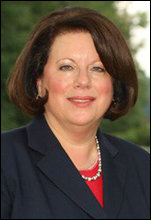
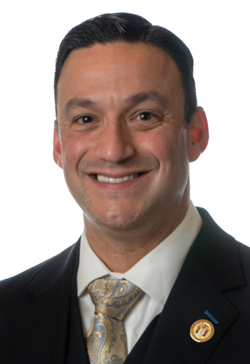
This bill establishes the "South Jersey Community Resilience Center" in Atlantic City to serve LGBTQIA+ residents across eight South Jersey counties, who currently lack dedicated community resources. It allocates $500,000 from the General Fund to the Department of Human Services for the center’s operation, which will provide mental health workshops, peer support groups, LGBTQIA+-specific healthcare resources, and a safe space for community events. The center will partner with health organizations to reduce barriers to services like healthcare and advocacy while fostering belonging. The bill is pending in the Assembly Health Committee as of January 2026.
This bill increases Medicaid reimbursement rates for certain mental health services to at least the Medicare rate. It directly affects Medicaid-eligible patients (adults and children) and providers like licensed substance abuse treatment centers or mental health professionals offering evidence-based outpatient counseling. The key provision requires that services must be proven effective (listed in federal registries or approved by state officials) and limited to individual/group therapy in outpatient settings. This policy change aims to improve payment for specific behavioral health treatments under New Jersey's Medicaid program.
This bill (NJ A2749) requires health insurance plans and Medicaid (NJ FamilyCare) to cover preventive behavioral health services for children under 18, including screenings and early intervention without requiring a formal mental health diagnosis. It mandates insurers to accept "at-risk diagnosis" billing - using Social Determinants of Health Z-codes instead of standard mental health codes - to pay for preventive care like therapy or screenings for children showing potential behavioral health needs. The coverage must be provided at the same level as other medical services, applying to all health plans sold in New Jersey, state employee health programs, and Medicaid managed care organizations. The bill was withdrawn after being approved as P.L.2025, c.369.
This New Jersey bill (A 2649) requires all health insurance plans sold in the state to cover annual mental health screenings as part of standard coverage for mental health conditions and substance use disorders. It applies to hospital service, medical service, and health service insurance contracts, mandating that insurers provide this coverage under the same terms and conditions as physical health care - meaning no stricter copays, deductibles, or review processes for mental health than for other medical services. The law aligns with federal parity requirements and specifically adds the annual screening as a covered benefit. This directly affects all health insurance companies operating in New Jersey and their policyholders, ensuring access to preventative mental health care without additional cost barriers.
AJR 62 designates May of each year as "Children's Mental Health and Trauma Awareness Month" in New Jersey. The resolution aims to raise public awareness about children's mental health, adverse childhood experiences (ACEs), and mental illness, encouraging the state to promote understanding through annual observance. It does not create new laws or funding but requests the Governor issue an annual proclamation to encourage community activities focused on these issues. The bill directly affects New Jersey residents by highlighting the importance of addressing childhood mental health challenges and ACEs.
This New Jersey bill (A 1804) requires courts to refer certain defendants to mental health and substance abuse evaluations as part of pretrial release decisions. It directly affects eligible defendants who are being considered for release before trial but have potential mental health or substance use needs. The key provision mandates that courts must provide these referrals when determining release conditions, ensuring defendants have access to treatment as part of their pretrial supervision. The bill amends existing pretrial release laws (P.L.2014, c.31) to integrate these evaluations into the court's decision-making process. This policy change focuses on connecting defendants with treatment resources while maintaining court safety and appearance requirements.
This bill would require New Jersey's Department of Children and Families (DCF) to expand the existing Statewide Student Support Services program to include eating disorder awareness, prevention, and counseling services for students in grades K-12. Regional hubs administering the program must assess community needs for these services and develop policies to provide them through the program's three-tiered system: universal workshops (Tier 1), small-group programs (Tier 2), and clinical interventions (Tier 3). The law directly affects all K-12 students in New Jersey by adding eating disorder support to existing mental health services. Note: This bill was withdrawn on January 13, 2026, as it was approved as P.L.2025, c.366.
AJR 46 designates the first week of May each year as "Children's Mental Health Awareness Week" in New Jersey. The bill requests the Governor to issue an annual proclamation encouraging public officials and citizens to observe the week with activities promoting awareness. This procedural resolution does not create new programs or funding but formally recognizes the week to support existing efforts addressing children's mental health. It directly affects New Jersey state officials and the public through the Governor's annual proclamation.
This bill establishes minimum nurse-to-patient staffing ratios for hospitals, ambulatory surgery centers, and state developmental/psychiatric hospitals in New Jersey. It requires specific ratios, such as 1 nurse per 4 patients on medical/surgical units and 1 nurse per 2 patients in critical care, along with unlicensed staff ratios (1 per 7 patients during day shifts). Hospitals must implement an acuity-based staffing system approved by the health department to adjust staffing based on patient needs and unit conditions. The law aims to ensure safe staffing levels without reducing existing standards, directly affecting healthcare facilities and patient safety.
This bill requires New Jersey public schools to count absences for mental or behavioral health needs as excused, directly affecting students, parents, and school districts. Parents must provide documentation to school officials to verify such absences, and students must be allowed to make up missed work without penalty to their attendance record or eligibility for attendance-based awards. School districts cannot list these absences on transcripts or employment forms, and the Education and Health Commissioners must develop guidelines defining qualifying health reasons. The policy aims to support student well-being while ensuring academic continuity, with implementation required for the first full school year after enactment.