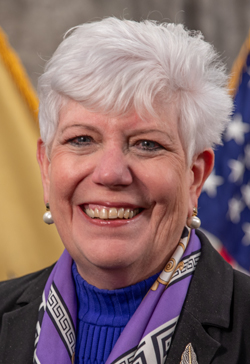
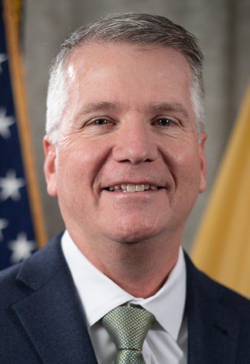
Key legislators
Who's moving healthcare in New Jersey
Showing 41–44 of 44
bills
All healthcare bills
This bill requires new flooring installations in schools, community centers, and licensed child care centers to be certified mercury-free by the manufacturer. It applies to all facilities using identified mercury-risk flooring materials, including existing buildings where such flooring was installed before current occupancy. Key provisions mandate certification for permits, require air quality testing if mercury is detected, and obligate owners to implement mitigation or remove unsafe flooring within six months if tests exceed safety thresholds. Violations by manufacturers issuing false certifications carry civil penalties of $10,000 for first offenses.
This New Jersey bill requires the Department of Health (DOH) and Department of Human Services (DHS) to create and publish an online guide for healthcare facilities. It directly affects facilities like community mental health centers, substance use treatment programs, and federally qualified health centers that seek licensure for integrated care services. The guide must clearly explain the steps and rules needed for facilities to: (1) provide integrated health care (coordinating general and behavioral health services), (2) add behavioral health or substance use treatment to existing primary care licenses, and (3) contact assigned department staff for help. The bill defines "integrated health care" as systematically coordinating general and behavioral health services to address issues like mental illness, substance use, and chronic conditions.
New Jersey would join the Emergency Medical Services Personnel Licensure Interstate Compact (REPLICA), allowing EMTs, paramedics, and other licensed emergency medical personnel to work across state lines more easily. The bill directly affects EMS professionals seeking to practice in multiple states by enabling mutual recognition of licenses between participating states. Key provisions require member states to immediately recognize licenses from other compact states and share information about disciplinary actions against license holders. This streamlines cross-state emergency response while maintaining oversight through shared accountability measures.
This bill requires New Jersey's State Long-Term Care Ombudsman to add specific memory care training to their annual long-term care training program within one year. The training must cover the needs and rights of residents with Alzheimer's disease and related disorders, including methods to address their unique challenges. If the ombudsman's program does not include this training by the deadline, they must report to the legislature explaining the delay and steps to implement it. The bill directly affects the ombudsman's program, long-term care facility staff, and residents with memory-related conditions.