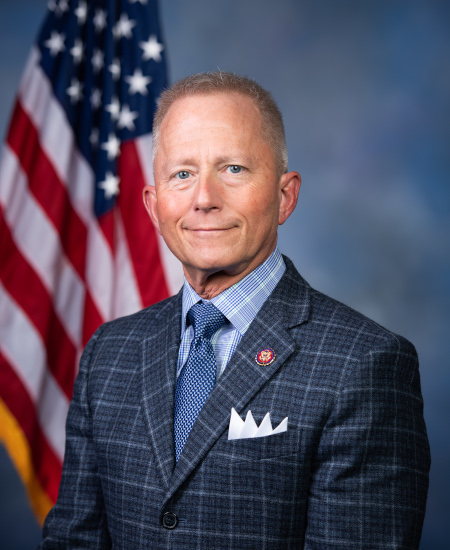
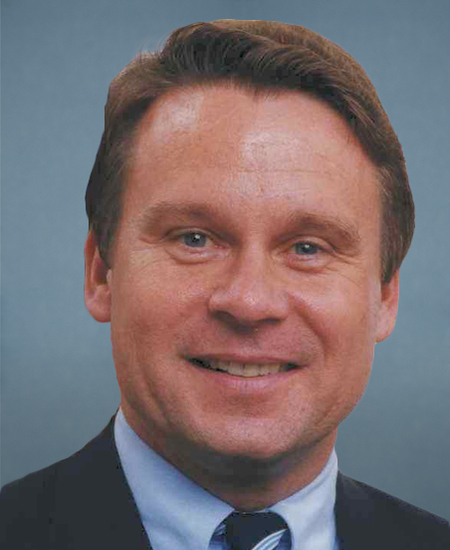
The No Homeless Detention Centers Act prohibits recipients of federal housing funds from forcing homeless individuals to live in government facilities or requiring them to perform labor in exchange for shelter. The bill also bans local and state authorities from punishing people for engaging in basic life-sustaining activities, such as sleeping or resting, on public property. These restrictions apply to actions taken by law enforcement officers or private contractors acting under federal authority. By tying these prohibitions to federal funding, the legislation aims to prevent the use of criminal penalties or involuntary confinement to address homelessness.
The Stop Auto Fraud Act of 2026 creates a new federal crime for individuals who knowingly stage or fabricate motor vehicle accidents to submit false insurance claims. The bill directly affects people involved in these schemes by imposing penalties that include fines and up to 10 years in prison, with sentences increasing to 20 years if serious bodily injury occurs and potentially life imprisonment if the fraud results in death. Additionally, any criminal fines collected under this new law must be deposited into the Highway Trust Fund rather than general government revenue.
The Insider Trading Prohibition Act creates a new federal criminal statute that makes it illegal to buy or sell securities while knowingly in possession of material, nonpublic information that was obtained wrongfully. The bill defines wrongful conduct to include actions such as theft, breach of fiduciary duty, or unauthorized access to data, and explicitly covers situations where an individual consciously avoids knowing the details of how the information was acquired. It also prohibits sharing this type of sensitive information if the sender knows it will be used for trading. While the law allows for certain exemptions, including transactions made under pre-existing Rule 10b5-1 plans, it ensures that these new penalties apply in addition to existing legal remedies.
The Right to Worship Act makes it unlawful for individuals to knowingly disrupt religious services or prevent people from entering houses of worship within 100 feet of an entryway during the hour before and after a scheduled service. The bill applies to conduct that meaningfully interferes with a service's normal operation or unreasonably hinders participation, while explicitly allowing free speech as long as it adheres to these specific time, place, and manner restrictions. Violators face escalating civil fines ranging from $2,500 for a first offense to $10,000 for subsequent offenses, assessed by the Attorney General. Additionally, the act permits aggrieved individuals, the U.S. Attorney General, or state attorneys general to file civil lawsuits seeking injunctive relief, compensatory damages, and attorney fees.
The Saving FACE Act of 2026 amends federal criminal law to remove penalties for obstructing access to abortion services. It achieves this by changing the name of the relevant statute from "Freedom of Access to Clinics" to "Freedom of Access to Church" and removing the specific definition of abortion from the list of protected activities. Additionally, the bill updates the legal definition of abortion to exclude the intentional termination of a pregnancy, thereby narrowing the scope of the obstruction statute. These changes directly affect individuals who might otherwise face criminal charges for blocking entry to facilities providing abortion care.
The HEAR Act of 2026 makes it illegal for most people to import, sell, manufacture, transfer, or possess firearm silencers and mufflers. The law allows exceptions for law enforcement officers, campus security personnel, nuclear facility employees, and licensed manufacturers conducting authorized testing. To help individuals comply with the new restrictions, the bill requires the Attorney General to create a nationwide buy-back program that pays people who surrender their silencers. These changes would take effect 90 days after the bill is signed into law.
The Bipartisan Transparency for American Taxpayers Act prohibits the use of federal funds to pay claims submitted to the Anti-Weaponization Fund. This fund was established by the Department of Justice on May 18, 2026, and the bill specifically bars any money from being used for these payments. The legislation directly affects the Department of Justice and any individuals or entities seeking reimbursement from this specific fund. By restricting funding sources, the bill aims to prevent taxpayer money from being spent on claims directed to this newly created entity.
Tags
Government Transparency
This bill prohibits the use of specific federal Homeland Security grant funds for civil immigration enforcement activities during a defined period from June 11 to July 19, 2026. It directly affects state and local entities receiving funds under the State Homeland Security Grant program, restricting them from participating in Section 287(g) programs or conducting civil immigration enforcement during the covered time period. The law allows exceptions only for urgent situations involving imminent threats to life, national security, public safety, or evidence preservation. The legislation is titled the "Protect World Cup Attendees Act," indicating its purpose is to safeguard attendees of the 2026 World Cup event.
This bill would amend the Anti-Terrorism Act of 1987 to designate the Muslim Brotherhood as a terrorist organization and prohibit its operations within the United States. It would require the President to designate the Muslim Brotherhood as a foreign terrorist organization under immigration law and impose new visa restrictions, including immediate revocation of current visas, for individuals identified as members. The bill mandates annual reports from the Secretary of State identifying Muslim Brotherhood branches worldwide and determining which should be designated as terrorist organizations under existing laws. These provisions would directly affect Muslim Brotherhood members, branches, and affiliated organizations seeking entry to or operating within the United States.
HR 7678, the Gun Owner Registration Information Protection Act, prohibits federal funding for state or local databases that track lawfully owned firearms or their owners. The bill allows federal funding for databases recording lost or stolen firearms but bans it for databases listing legal gun ownership. This means states cannot use federal money to create or maintain systems that compile information about legally owned guns. The bill directly affects state and local governments that rely on federal funds for firearm ownership databases.