Maddy summaryS 4040, the RIDE Act, creates a new temporary work visa (P-4) for traveling entertainment workers in the U.S. It directly affects carnival, circus, and festival staff who move across the country seasonally, including those operating rides, games, and food concessions at fairs and community events. The bill requires the Department of Labor to certify that U.S. workers are unavailable for these positions and that hiring foreign workers won’t lower wages or working conditions for American workers. It also allows spouses and children of these visa holders to join them in the U.S. The law mandates federal agencies to issue implementing rules within 180 days and one year of enactment.
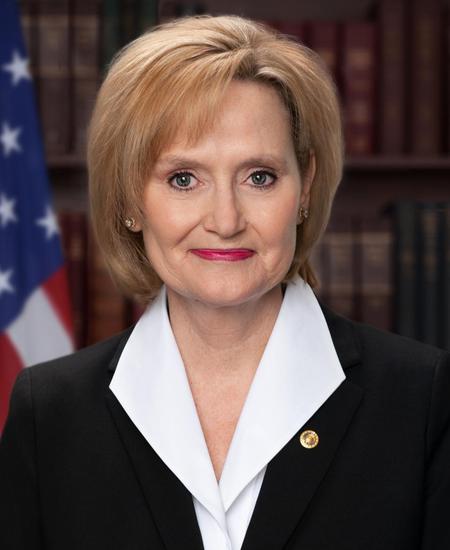
Sen. Cindy Hyde-Smith
Sponsored bills
Maddy summaryThis Senate resolution designates March 21, 2024, as "National Women in Agriculture Day." It recognizes the contributions of women in agriculture as producers, educators, leaders, and mentors, highlighting their role in farming operations, agricultural sales (accounting for 36% of U.S. farm sales in 2022), and workforce development. The resolution encourages all citizens to acknowledge women's impact on the agricultural industry and support their participation in the field through initiatives like mentorship and education. As a symbolic gesture with no legal effect, it does not create new policies or obligations but aims to raise awareness of women's roles in agriculture.
Maddy summaryThis bill (S 3992) prohibits the Small Business Administration (SBA) from making new direct loans under its 7(a) program, which previously allowed the SBA to lend directly to small businesses. It specifically stops the SBA from issuing new direct loans after the bill's enactment, though it requires the SBA to continue servicing any existing direct loans made before the law took effect. The key mechanism is a clear prohibition on new direct lending, shifting future 7(a) credit access to rely on SBA-guaranteed loans through private lenders instead. This directly affects the SBA's operational authority and the structure of how small businesses access certain types of federal credit.
Maddy summaryThe Telehealth Modernization Act makes permanent Medicare's temporary telehealth coverage rules that were set to expire in 2024, ensuring continued access for beneficiaries. It expands eligibility for healthcare providers who can offer telehealth services under Medicare, allowing the Secretary to add more professions (like nurse practitioners or therapists) after stakeholder consultation. The bill also changes payment rules for community health centers and rural clinics, treating telehealth services provided after 2025 as if delivered in person for billing purposes. Additionally, it permanently allows audio-only telehealth visits for Medicare coverage, removing previous restrictions.
Maddy summaryThis bill amends federal health law to create grants supporting medical student training in rural and underserved areas. It provides funding for partnerships between medical schools and community health providers (like rural clinics or federally qualified health centers) to expand clinical rotations for students in those communities. Grants last 1-5 years and require detailed plans for quality improvement, sustained access to care, and post-funding continuity. The goal is to increase long-term physician presence in high-need areas by connecting medical education with community health needs. It directly affects medical students, participating healthcare facilities, and residents of underserved communities.
Maddy summaryThis bill (SJRES 64) seeks to block a Federal Communications Commission (FCC) rule published in the Federal Register (89 Fed. Reg. 4128, January 22, 2024) that implements provisions from the Infrastructure Investment and Jobs Act related to preventing digital discrimination. It requests Congress disapprove the rule under Chapter 8 of Title 5, U.S. Code, which would prevent the rule from taking effect. The resolution directly affects the FCC's ability to enforce digital discrimination prevention measures under the Infrastructure Investment and Jobs Act. If passed, the rule would have no legal force or effect, halting the FCC's regulatory action on this specific issue.
Maddy summaryThis joint resolution (SJRES 65) seeks to disapprove an Environmental Protection Agency (EPA) rule that would have revised national air quality standards for tiny air particles (particulate matter), which are pollutants linked to health issues like asthma and heart disease. The EPA rule, published on March 6, 2024, proposed updating these standards to tighten pollution limits. By invoking the Congressional Review Act, the resolution would block the rule from taking effect, maintaining the current standards without changes. This directly affects the EPA’s ability to implement the proposed revisions to air quality regulations, impacting public health protections and industry compliance requirements.
Maddy summaryThe Protecting Religious Freedom for Foster Families Act (S 3935) prohibits the Department of Health and Human Services from finalizing, implementing, or enforcing a specific proposed rule on foster care placements. This rule, published in the Federal Register on September 28, 2023, aimed to establish safety and appropriateness standards for foster care under federal programs. The bill blocks this rule and any substantially similar rules from taking effect, directly affecting federal agency actions and foster care system regulations. This prevents potential conflicts between foster care placement requirements and religious practices, without creating new policies.
Maddy summaryThis bill helps rural community banks in underserved areas by easing their capital requirements. It creates a 3-year phase-in period for banks to meet federal capital standards and sets a lower 8% leverage ratio for qualifying rural banks (with under $10 billion in assets) during this transition. The bill also expands agricultural lending authority for certain savings associations and requires a study on boosting new bank formation in underserved areas. These changes directly affect rural community banks and aim to improve financial access in communities impacted by bank closures.
Maddy summaryThis resolution designates September 2024 as "National Cholesterol Education Month" and September 30, 2024, as "LDL-C Awareness Day" to raise public awareness about cardiovascular health. It encourages all U.S. individuals to know their low-density lipoprotein cholesterol (LDL-C) number, which is a key risk factor for heart disease and stroke. The resolution does not create new laws or funding but formally recognizes these dates for educational purposes. It highlights existing awareness gaps, such as low rates of LDL-C testing and treatment adherence among high-risk patients. This is a procedural designation with no direct legal or financial impact on affected individuals or programs.