Maddy summaryThis bill authorizes the transfer of three specific parcels of federal land in Lehi, Utah, to the Utah National Guard for use as a state armory. The property includes various strips and irregularly shaped lots, and the transfer is subject to existing easements and restrictions that are currently in place. To ensure the land remains dedicated to military training, the agreement includes a clause allowing the federal government to reclaim the property if it is no longer used for National Guard readiness activities. Additionally, the bill requires the State of Utah to cover the costs associated with the transfer, such as environmental reviews and administrative fees, without using federal funds for these expenses.
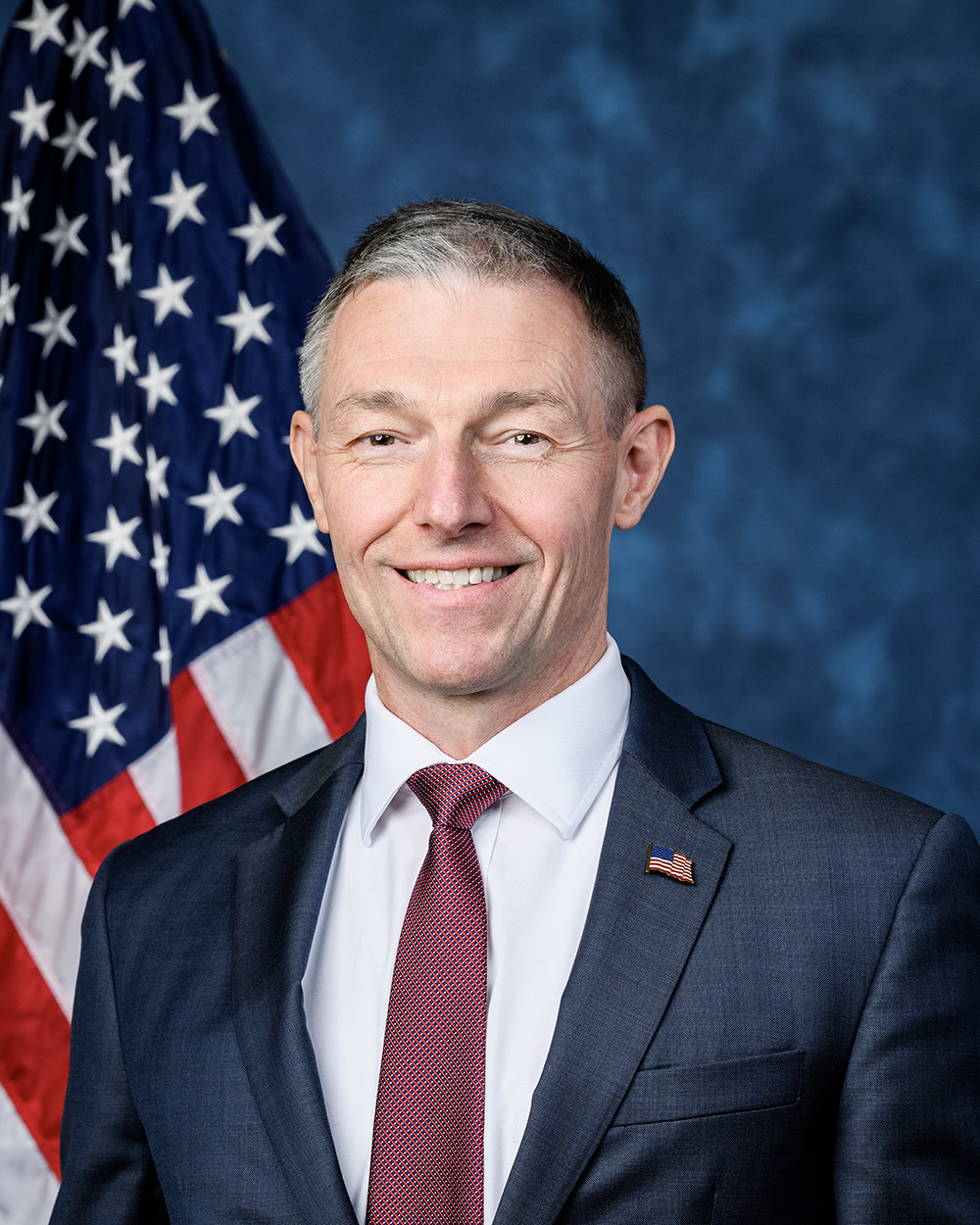
Rep. Mike Kennedy
Sponsored bills
Maddy summaryThe PROTECT Act of 2026 modifies rules for H-1B visa petitions to ensure higher wages and stricter oversight for third-party work arrangements. It requires employers to pay H-1B workers at least the higher of the local market rate or $100,000, adjusted annually for inflation, and limits visas for those working at third-party sites to a maximum of one year unless the job assignment is clearly defined and long-term. Additionally, the bill mandates that visa petitions offering higher compensation be prioritized for approval regardless of filing date. A separate provision exempts health care workers from certain filing fees if the employer can prove they made a good faith effort to hire a U.S. citizen or permanent resident before bringing in foreign staff. These changes apply to all H-1B visa petitions filed on or after the date the law is enacted.
Maddy summaryThe ALERT Act (HR 7613) requires the Federal Aviation Administration to improve aviation safety through several key measures. It mandates the evaluation and potential implementation of enhanced collision avoidance systems (ACAS-Xa) for commercial aircraft and ACAS-Xr for rotorcraft, with specific deadlines for rulemaking and installation. The bill establishes committees to develop recommendations for safety technology requirements, requires safety risk assessments for air traffic controllers, and addresses operational procedures at high-traffic airports like Ronald Reagan Washington National. These provisions affect air carriers, air traffic controllers, rotorcraft operators, and Department of Defense aircraft operations. The act aims to enhance situational awareness and reduce midair collision risks through technology upgrades and improved safety protocols.
Maddy summaryThis bill prohibits the issuance of U.S. visas to individuals who have committed particularly severe violations of religious freedom, either while serving as foreign government officials or while acting outside the United States. It directly affects foreign nationals by adding them to the list of inadmissible aliens under U.S. immigration law if they meet specific criteria related to religious persecution. The law requires the Secretary of State to publish the names and locations of these individuals on a public website, though the Secretary retains discretion to withhold identities if doing so would harm U.S. foreign policy interests. This measure expands existing immigration restrictions to specifically target those responsible for religious freedom violations, creating a new ground for visa denial.
Maddy summaryThis bill requires federal land agencies to assume that designated motorized roads and trails remain open unless restrictions are clearly justified by resource protection or public safety concerns. It mandates that any access restrictions be properly signed, mapped, publicly announced, and reviewed at least every five years to ensure they remain necessary. The legislation also allows the public to propose new motorized routes or convert existing closed roads, with agencies prioritizing requests that improve connectivity, protect resources, support wildfire management, or enhance recreational access. These rules apply to National Forest System and Bureau of Land Management roads and trails, excluding wilderness areas and national parks.
Maddy summaryHR 5639, the Co-Location Energy Act, allows the Secretary of the Interior to permit solar and wind energy development on existing federal energy leases for oil, gas, coal, or geothermal projects. It requires leaseholder consent before evaluating or issuing permits for renewable energy systems on these leased areas. The bill mandates the Secretary to determine within 180 days whether such renewable projects qualify for simplified environmental reviews under the National Environmental Policy Act. This legislation directly affects federal leaseholders and renewable energy developers seeking to co-locate projects on currently leased federal lands.
Maddy summaryThe TECH Act would allow qualified technical schools to receive the same federal grant funding as traditional two-year and four-year colleges. It directly affects vocational institutions that offer specific career training programs in high-demand fields like healthcare, manufacturing, and public safety. The bill requires federal agencies to update eligibility rules and application processes within 180 days to include these schools in existing grant programs. To qualify, technical schools must offer programs of at least 150 clock hours that lead to recognized industry credentials and meet state educational requirements. The legislation aims to expand workforce training opportunities by treating technical schools equally with other higher education institutions for federal funding purposes.
Deporting Fraudsters Act of 2026 This bill makes certain acts related to public benefits fraud grounds for (1) barring a non-U.S. national ( alien under federal law) from admission into the United States, or (2) deporting the individual. The bill also makes such an individual ineligible for immigration enforcement relief, including relief for an individual in danger of subjection to torture. Specifically, this bill applies to individuals who have been convicted of, admit to having committed, or admit to acts which constitute certain offenses. Offenses covered by this bill include (1) fraud involving Supplemental Nutrition Assistance Program (SNAP) benefits, (2) fraud involving Social Security benefits, (3) fraud involving programs that receive federal funds, and (4) the production of fraudulent identification documents.
Maddy summaryHR 6399 requires the United States Postal Service to assign a single, unique ZIP Code exclusively for Highland City, Utah, within 270 days of the bill's enactment. This change would directly affect residents and businesses in Highland City by providing them with a dedicated postal code for mail delivery, separate from surrounding areas. The bill does not alter postal rates or services, only establishing a distinct ZIP Code for the city's geographic boundaries.
Maddy summaryHR 4716 transfers approximately 20.32 acres of federal land in Saratoga Springs, Utah (Parcel #58:022:0021) from the Secretary of the Interior to the U.S. Postal Service. The bill requires the Postal Service to construct and operate a new post office on this land within two years of the bill's enactment. This procedural bill directly affects the USPS by providing specific land for a facility, with no broader policy changes or impacts on the general public.