

Maddy summaryThis bill, known as the Deputy Darren Almendarez Act, adds a new federal crime for knowingly possessing or purchasing catalytic converters removed from vehicles with the intent to sell or distribute them. It directly affects individuals involved in the removal and resale of these parts, as well as businesses like scrap yards and repair shops, by establishing penalties of up to five years in prison and fines of $100,000 for first offenses. The law includes specific exceptions that allow for legal possession or purchase if the converter was removed by a vehicle owner, acquired during official duties by authorized entities, or bought from licensed businesses that follow state and local identification rules. For repeat offenders, the potential prison sentence increases to ten years and the fine limit rises to $200,000.
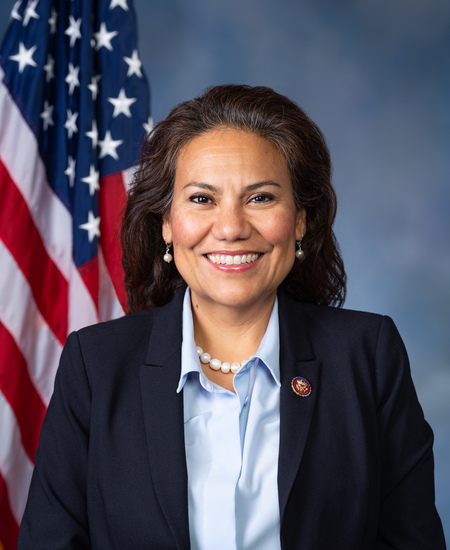
Rep. Veronica Escobar
Sponsored bills
Maddy summaryThe Military Spouse Employment and Child Care Readiness Act requires the Secretary of Defense to submit a report within 120 days analyzing challenges in military child care and development centers. This report will examine workforce statistics, such as the percentage of military spouses employed in these centers, and assess the feasibility of allowing childcare licenses to transfer when families move. Additionally, the document will evaluate vacancy rates, potential capacity increases, and options for on-post home-based childcare programs, while offering recommendations for incentives to attract and retain military spouses in the workforce.
Maddy summaryThe AADAPT Act reauthorizes and expands Project ECHO grants to improve Alzheimer’s and dementia care through technology-enabled training. It specifically funds grants for healthcare providers in rural, frontier, or medically underserved areas to enhance early diagnosis, quality care, and provider retention for dementia patients. The bill authorizes $1 million annually (2027-2032) for these dementia-focused training programs, requiring funds to supplement - not replace - existing resources. This directly supports primary care providers licensed to serve underserved communities, using collaborative online learning to address care gaps.
Maddy summaryThe Protecting Home-Based Care for Rural Veterans Act of 2026 aims to safeguard funding for home health services provided to veterans living in rural areas. It requires the Department of Veterans Affairs to restore any reimbursement rates for homemaker and home health aide services that were lowered after December 31, 2025, and prevents future rate cuts without notifying Congress at least 90 days in advance. Additionally, the bill mandates annual reports to Congress detailing the availability of service providers in different regions and the methods used to calculate payment rates. A one-time report must also be submitted within 90 days of the law's enactment to explain how these rates were determined and whether input was gathered from service providers.
Maddy summaryThe Mount Cristo Rey Protection Act prohibits the use of federal funds to seize land around Mount Cristo Rey in Sunland Park, New Mexico, for border wall construction. This legislation specifically blocks funding for legal actions related to eminent domain and bans the installation of security measures such as roads, fencing, and surveillance equipment near the site. The bill aims to protect the mountain, which holds deep religious significance for over 40,000 annual pilgrims, from federal government interference. By restricting financial resources for these specific projects, the act ensures that the holy site remains free from the proposed border wall and associated security infrastructure.
Maddy summaryThe Streamlining Military Infrastructure Act requires specific military officials to submit a report evaluating how intergovernmental support agreements could be used for minor construction projects. This report must assess whether raising funding limits to $18 million for laboratory projects and $8 million for other maintenance projects is feasible. Additionally, the officials need to list up to ten potential projects from their facilities plans that could benefit from these agreements. The bill directly affects the Assistant Secretaries of the Army, Navy, and Air Force who manage military installations and energy.
Maddy summaryThe Protecting America's Diplomatic Workforce Act limits how many employees federal foreign affairs agencies can fire at once and requires stricter oversight for large layoffs. It caps reductions in force to 50 employees every six months unless agencies provide detailed justifications to Congress explaining why other options were not considered and how the cuts might affect diplomatic missions. The bill also mandates longer notice periods for employees facing layoffs, updates rules to prioritize performance over tenure when selecting who to retain, and requires the State Department to consult with lawmakers before making major changes to its internal manual. These measures directly impact agencies such as the Department of State, USAID, and the Peace Corps by increasing transparency and adding procedural hurdles to workforce reductions.
Maddy summaryThis bill requires Medicare Advantage plans to implement electronic pre-approval systems for medical services by 2028 and meet transparency reporting standards starting in 2027. Plans must publicly report data on approval/denial rates, appeal outcomes, response times, and technology use for pre-approval requests, including details on how denials relate to clinical criteria. It establishes a 24-hour response timeframe for certain requests and mandates annual reviews of pre-approval requirements based on data and input from seniors and providers. The law directly affects Medicare Advantage plans, seniors enrolled in these plans, and healthcare providers who submit pre-approval requests. These changes aim to make the pre-approval process faster, more transparent, and more accountable for seniors seeking covered medical services.
Maddy summaryThe LIFT the BAR Act aims to restore access to federal benefits for lawfully present noncitizens by repealing several restrictions imposed by the 1996 welfare reform law and a 2024 reconciliation bill. Specifically, it would allow eligible noncitizens to receive SNAP food assistance, Medicaid, CHIP, and child nutrition programs, while also updating legal terminology to refer to "noncitizens" rather than "aliens" in relevant statutes. The legislation includes provisions to ensure these individuals can qualify for premium tax credits and would require federal agencies to issue implementation guidance within 180 days of enactment.
Maddy summaryThis resolution seeks to impeach Linda M. McMahon, the Secretary of Education, for three specific articles of misconduct: willfully violating federal laws, making false statements to Congress, and breaching the public trust. The bill alleges that McMahon illegally transferred the operations of six essential offices within the Department of Education to other federal agencies without congressional approval, contrary to the Department of Education Organization Act. It also claims she misled the Senate by promising to spend all congressionally appropriated funds while simultaneously canceling hundreds of grants and freezing funding for various educational programs. Additionally, the resolution accuses her of terminating approximately 2,000 employees, which disrupted the department's ability to manage federal funds and deliver services. If the House votes to adopt this resolution, the articles of impeachment would be sent to the Senate for a trial that could result in her removal from office.