Maddy summaryThis concurrent resolution celebrates the 50th anniversary of the Magnuson-Stevens Fishery Conservation and Management Act on April 13, 2026. It recognizes the Act's significant impact on the sustainable and profitable management of the Nation's fishery resources, benefiting fishermen, coastal communities, and the seafood industry.
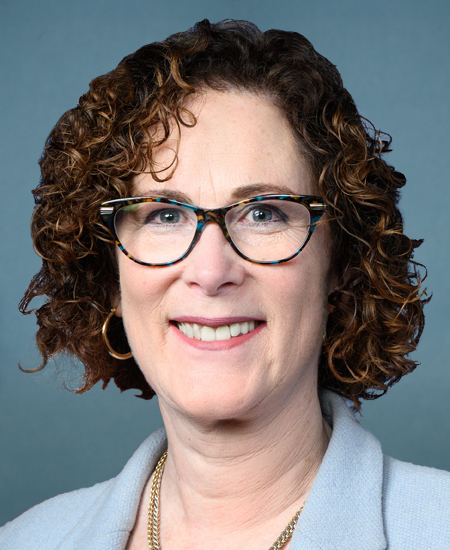
Rep. Val T. Hoyle
Sponsored bills
Maddy summaryThe Transit Workforce Development Act expands how federal grants for buses and bus facilities can be used for workforce training. It increases the portion of these grants that transit agencies can dedicate to workforce development from 5% to 10% of the allocated funds. Additionally, the bill broadens the types of training eligible for these funds, allowing them to cover all buses, related equipment, and facility construction,
Maddy summaryThe Supporting VA Families Act grants unpaid parental leave to Department of Veterans Affairs employees. This provision allows employees to take four weeks of unpaid leave within a 12-month period for the birth of a child or for adoption and foster care placements. The leave is designed to supplement existing leave policies rather than replace them, ensuring employees can balance family needs with their work responsibilities. The act defines eligible employees and children according to existing federal definitions found in Title 5 of the United States Code.
Maddy summaryThis resolution formally congratulates Oregon athletes who competed in the 2026 Milano Cortina Winter Olympics and Paralympics. It specifically names six athletes - Jacqueline Wiles, Hunter Hess, Sean FitzSimons, Alessandro Barbieri, Anna Soens, and Ravi Drugan - who participated in alpine skiing, freestyle skiing, and snowboarding events. The measure also extends recognition to the families, coaches, and support staff who assisted these athletes during the games. This is a ceremonial document that acknowledges athletic achievements without altering any laws or policies.
Maddy summaryThis bill, known as the Moral Injury Recognition and Restitution Act, changes how the Department of Veterans Affairs handles compensation claims for veterans affected by military sexual trauma. It allows veterans who receive approved claims for mental health conditions or physical injuries caused by such trauma to receive back pay starting from the day after their military discharge rather than from the date their claim was filed. The legislation defines military sexual trauma according to existing legal standards and includes both mental health conditions and physical disabilities resulting from or worsened by the trauma. This change applies retroactively to eligible veterans who have already been approved for compensation benefits.
Maddy summaryThis concurrent resolution directs the President to withdraw U.S. military forces from hostilities in Lebanon within seven days, based on the War Powers Resolution. It applies to American troops involved in supporting Israel's military actions in Lebanon, which the bill claims lack specific congressional authorization. The measure relies on the legal finding that Congress has not declared war or passed a specific law allowing U.S. military involvement in this conflict. If passed, the resolution would require the President to end U.S. participation in these hostilities unless Congress subsequently grants formal approval for the military action.
Maddy summaryThis concurrent resolution formally recognizes the ongoing disparity between wages paid to men and women in the United States and reaffirms Congress's commitment to supporting equal pay. It highlights statistical data showing that women earn approximately 81 cents for every dollar earned by men, with significant variations across racial and ethnic groups, and notes that the gender wage gap has widened over the past two years. The document also identifies contributing factors such as occupational segregation, lack of family-friendly workplace policies, and workplace harassment, while emphasizing the economic impact on women's retirement security and family incomes.
Love Lives On Act of 2025 This bill extends entitlement for various benefit programs and services for surviving spouses of deceased members of the Armed Forces or veterans. The bill provides that the remarriage of a surviving spouse must not bar the furnishing of dependency and indemnity compensation or special pension benefits to such spouse. Additionally, the Department of Defense may not terminate the payment of an annuity for a surviving spouse under the Survivor Benefit Plan solely because the surviving spouse remarries. The bill also expands the definition of a dependent under TRICARE to include a remarried widow or widower whose subsequent marriage has ended due to death, divorce, or annulment.
Maddy summaryThis joint resolution directs the President to remove U.S. Armed Forces from hostilities within or against Cuba unless Congress provides a specific declaration of war or authorization for military force. The bill relies on the War Powers Resolution and existing expedited procedures to require immediate congressional approval for any ongoing military actions in Cuba. It explicitly allows the United States to continue defending itself from armed attacks, countering imminent threats, and conducting lawful counternarcotics operations. The measure is based on the constitutional principle that Congress holds the sole power to declare war.
Maddy summaryThe Soil CARE Act of 2026 requires the Natural Resources Conservation Service (NRCS) to establish a training program for its staff and third-party providers (such as farming consultants, conservation groups, and land-grant universities) on soil health management. The program includes an online curriculum and in-person workshops delivered twice every two years in each NRCS region, covering topics like soil biology, regenerative farming systems, and conservation practices. It mandates biennial updates to the curriculum and authorizes $10 million in funding for fiscal years 2027-2032. This initiative aims to improve NRCS and partner support for agricultural producers adopting soil health practices, without directly affecting producers themselves.