

Maddy summaryHR 1995, the Securing American Agriculture Act, requires the Secretary of Agriculture to annually assess U.S. dependency on critical agricultural inputs that could be exploited by China, such as fertilizers, feed, veterinary drugs, seeds, and equipment. The assessment must detail current domestic production, supply chain vulnerabilities, and recommend ways to reduce reliance on China, including legislative changes to encourage domestic production. It protects confidential business data by prohibiting the use of submitted information for purposes beyond aggregate reporting and ensuring no identifiable details are disclosed. The bill directly affects the Department of Agriculture, which must report these findings to Congress annually, without mandating new regulations or actions.
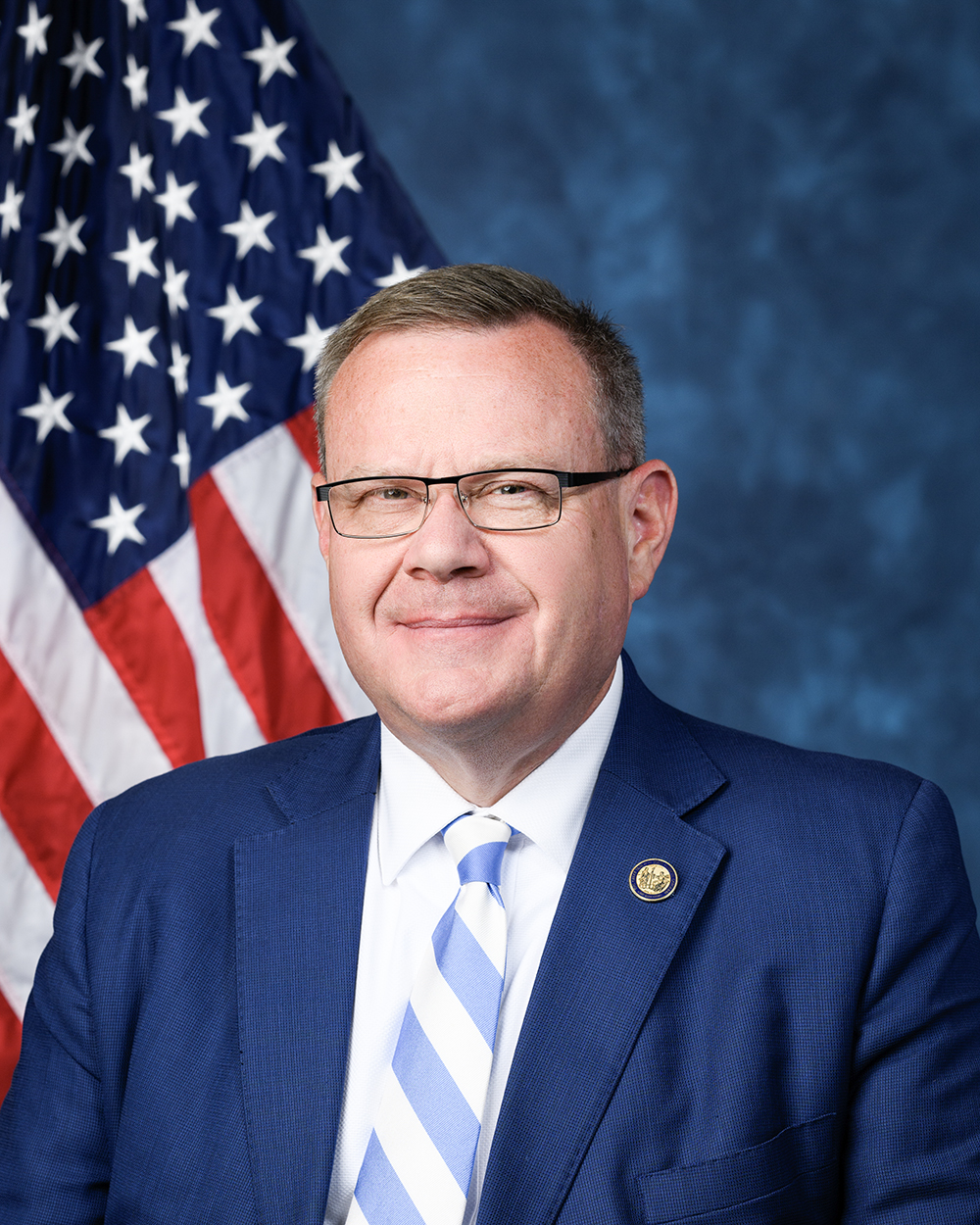
Rep. Tim Moore
Sponsored bills
Maddy summaryThe Freedom from Unfair Gun Taxes Act of 2025 would prohibit states and local governments from imposing taxes on the sale of firearms, ammunition, or firearm parts during interstate or foreign commerce. This bill directly affects state tax policies and manufacturers or dealers selling these items across state lines. It explicitly states that the bill does not change the existing federal tax on firearms and ammunition that funds wildlife conservation programs. The key provision bans state-level taxes for these sales in interstate transactions while preserving current federal funding mechanisms.
Maddy summaryHR 2362, the VA Home Loan Awareness Act of 2025, requires lenders using the standard Uniform Residential Loan Application to add a specific disclaimer below the military service question. The disclaimer states: "If yes, you may qualify for a VA Home Loan. Consult your lender regarding eligibility." This affects all lenders nationwide that use this common mortgage application form. The bill also mandates a Government Accountability Office (GAO) study within 18 months to check if at least 80% of lenders are including the required disclaimer on the form.
Maddy summaryThe Cellphone Jamming Reform Act of 2025 allows state and federal correctional facilities to operate jamming systems that block cell signals from entering or leaving the facility, specifically targeting contraband devices used by inmates. It directly affects prisons and jails by enabling them to disrupt unauthorized wireless communications without FCC approval, provided the jamming is limited to housing areas within the facility. Key requirements include state facilities covering all costs themselves, consulting with local law enforcement before implementation, and notifying the Bureau of Prisons. The law aims to address security risks from smuggled phones while restricting jamming to only necessary areas and requiring transparency.
Maddy summaryHR 2382, the First Responders Retirement Parity Act, clarifies that government retirement plans may include firefighters, emergency medical technicians (EMTs), and paramedics without losing their "governmental plan" status under federal tax and retirement laws. The bill amends the Internal Revenue Code and the Employee Retirement Income Security Act to specifically allow public safety agencies (contracted with local governments) to cover these workers - whose primary duties involve firefighting or out-of-hospital emergency medical services - as part of their retirement plans. This change directly affects first responders employed by local public safety agencies, ensuring their retirement benefits remain eligible for the same tax advantages as other government employees. The key mechanism updates legal definitions to prevent plans covering these roles from being disqualified under current rules.
This joint resolution nullifies the final rule issued by the Consumer Financial Protection Bureau titled Overdraft Lending: Very Large Financial Institutions and published on December 30, 2024. The rule revises provisions regarding charges for insufficient funds in a customer’s bank account (i.e., overdrafts) at very large financial institutions. Under the rule, these institutions must (1) cap overdraft charges at $5; (2) with justification, cap charges at a higher amount; or (3) handle overdrafts as credit and comply with applicable Truth in Lending Act disclosure requirements.
Maddy summaryThis bill gives the Treasury Secretary authority to identify foreign financial institutions or transactions as primary money laundering concerns for fentanyl trafficking, requiring U.S. domestic financial institutions to implement specific anti-money laundering measures. It mandates updated advisories for banks to identify Chinese professional money laundering schemes facilitating fentanyl trafficking, incorporating three existing financial crime advisories. The bill also requires the Financial Crimes Enforcement Network to issue guidance for reporting suspicious transactions linked to transnational criminal organizations trafficking narcotics. These provisions directly affect U.S. banks and financial agencies by imposing new reporting obligations and compliance requirements related to fentanyl-related money laundering.
Maddy summaryThis bill amends the tax code to permanently establish a 7-year depreciation period for motorsports entertainment complexes, replacing a temporary provision. It directly affects businesses operating these facilities by allowing them to deduct the cost of qualifying assets over seven years instead of a shorter period. The key change is removing a temporary rule (subparagraph D) from the tax code, making the longer recovery period permanent for these specific properties. The bill focuses solely on clarifying and extending this tax treatment without additional policy changes.
Maddy summaryHR 2217, the Down East Remembrance Act, designates six specific creeks in North Carolina with new names honoring individuals, using precise geographic coordinates for each location. The bill updates all official federal references (including maps, laws, and documents) to these creeks to reflect their new names. This is a commemorative measure with no policy changes, directly affecting only the designated geographic areas and federal records referencing them.
Maddy summaryThe FOCA Act of 2025 prohibits federal agencies from requiring or banning contractors from using union agreements in construction project bids or contracts. It directly affects federal agencies, contractors, and subcontractors working on federally funded or assisted construction projects (like buildings or infrastructure). The law requires bid documents to not favor or penalize contractors based on whether they have union agreements, aiming to promote open competition and prevent discrimination. This changes how agencies structure bids but does not affect union agreements themselves. The bill applies to all new contracts and subcontracts after enactment, with limited exemptions only for public health/safety emergencies or national security.