

Maddy summaryThe Living Wage For All Act raises the federal minimum wage in a tiered schedule, requiring large corporations to reach $25 per hour by 2031 while giving smaller businesses a longer timeline to catch up. Once the standard is met, the law automatically indexes the minimum wage to two-thirds of the national median hourly wage to ensure it keeps pace with economic changes. The bill also eliminates the lower minimum wage for tipped employees and youth workers, phasing them out until they match the general standard, and extends similar protections to incarcerated workers. Additionally, the legislation restricts the issuance of special minimum wage certificates for workers with disabilities and mandates that employers provide technical assistance during the transition period.
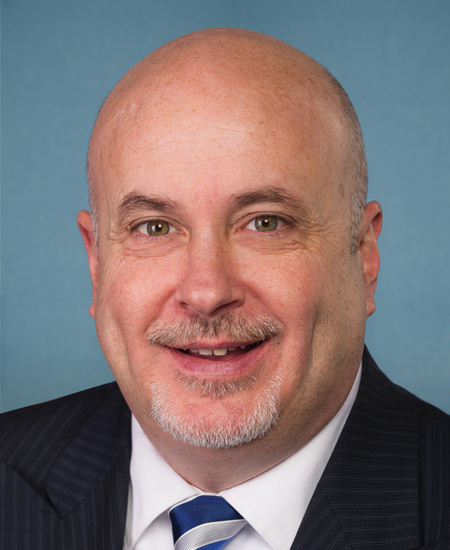
Rep. Mark Pocan
Sponsored bills
Maddy summaryThe HCBS Access Act requires Medicaid to cover a broad range of home and community-based services for people with disabilities and older adults, aiming to eliminate waiting lists and ensure these individuals can live in their communities rather than institutions. To achieve this, the bill mandates that states create detailed implementation plans, establishes a new advisory panel to recommend additional services, and sets a 100 percent federal funding match for these services to encourage state participation. The legislation also strengthens protections for family caregivers, requires states to remove financial liens on the estates of deceased beneficiaries, and creates a national technical assistance center to support the recruitment and training of direct care workers. Additionally, the bill directs the government to establish a separate occupational category for direct support professionals to better track workforce shortages and improve data collection on this critical labor force.
Maddy summaryThis House Resolution expresses support for the staff of public, school, academic, and special libraries across the United States and the essential services they provide to communities. It recognizes libraries as critical infrastructure and supports prioritizing full funding for their services at federal, state, and local levels. The resolution also reaffirms the public's right to access information, the right of library workers to organize and collectively bargain, and their civil rights to perform their duties without intimidation.
Maddy summaryThis bill establishes a grant program to help vulnerable mothers and babies in areas with high climate-related health risks, such as extreme heat and air pollution. It directs the Department of Health and Human Services to award up to $105 million over four years to community groups, healthcare providers, and local organizations for initiatives that provide cooling resources, health education, and support services. The program prioritizes areas with high rates of maternal and infant health disparities and requires grantees to address racial and ethnic inequities. Additionally, the bill creates a research consortium at the National Institutes of Health to study climate impacts on birth outcomes and funds training programs for health profession schools to better prepare providers for these risks.
Maddy summaryThis bill, the "Stop Deadly Denials Act of 2026," aims to significantly restrict prior authorization requirements for Medicare beneficiaries. It prohibits Medicare Advantage plans from imposing prior authorization for most medical services and items starting January 1, 2027, with non-compliant plans facing potential sanctions. For traditional Medicare, the bill blocks a specific prior authorization pilot program and limits future models from implementing prior authorization if they use artificial intelligence for denials without individual physician review or do not use Medicare administrative contractors for processing. Additionally, it requires public notice and comment for all future Medicare innovation models.
Maddy summaryThe Momnibus Act is a comprehensive legislative bill designed to improve maternal health outcomes across the United States by addressing social determinants of health, expanding access to care, and reducing disparities among pregnant and postpartum individuals. The bill establishes a federal task force to coordinate efforts between agencies and stakeholders to eliminate preventable maternal mortality and severe morbidity, while providing sustained funding to community-based organizations to address nonclinical factors like housing, nutrition, and transportation. Key provisions include extending WIC eligibility to 24 months postpartum, creating grants to grow and diversify the perinatal workforce, implementing respectful maternity care training for all healthcare employees, and establishing compliance programs to track and address bias in maternity care settings. The legislation also includes specific measures for incarcerated mothers, veterans, and vulnerable populations affected by climate change, alongside funding for maternal mental health services and technology-enabled care models to expand access in underserved areas.
Maddy summaryThis resolution formally recognizes April 10 as Dolores Huerta Day to honor the civil rights and labor leader's legacy. It does not create a federal holiday or change laws but expresses the House of Representatives' support for the designation. The text highlights Huerta's contributions to farm workers' rights, women's equality, and Latino political representation through a series of "whereas" clauses detailing her achievements. The resolution serves as a commemorative statement rather than a policy change, directing no new actions or funding.
Maddy summaryThis bill establishes a 17-member Commission on Presidential Capacity to Discharge the Powers and Duties of the Office. This commission, composed primarily of medical professionals and former high-ranking executive officials, would be activated by a concurrent resolution of Congress. Its duty would be to conduct a medical examination of the President to determine if they are mentally or physically unable to discharge the powers and duties of the office due to conditions such as illness, disability, or substance use. Following the examination, the commission would report its findings and a declaration on the President's capacity to Congress and the Vice President, with any refusal by the President to undergo examination taken into consideration.
Maddy summaryThis bill seeks to block a specific rule issued by the Department of Education that affects the William D. Ford Federal Direct Loan Program. If passed, it would prevent the rule from taking effect, meaning the proposed changes to federal student loans would not be implemented. The measure uses a legislative process known as a joint resolution of disapproval to override agency regulations. It directly impacts students, families, and institutions that rely on federal student loans by stopping the Department of Education from enforcing the new policy.
Maddy summaryThis concurrent resolution expresses support for International Transgender Day of Visibility, a day established in 2009 to honor the transgender community and raise awareness of the discrimination and violence they face. The bill encourages the House of Representatives and the American public to observe this day with ceremonies and activities while recognizing the accomplishments and leadership of transgender individuals. It acknowledges ongoing challenges such as employment discrimination, healthcare restrictions, and anti-transgender legislation, while also highlighting the community's contributions to politics, culture, and civil rights. As a concurrent resolution, it does not create new laws or regulations but serves as an official statement of congressional support for the day's goals and ideals.