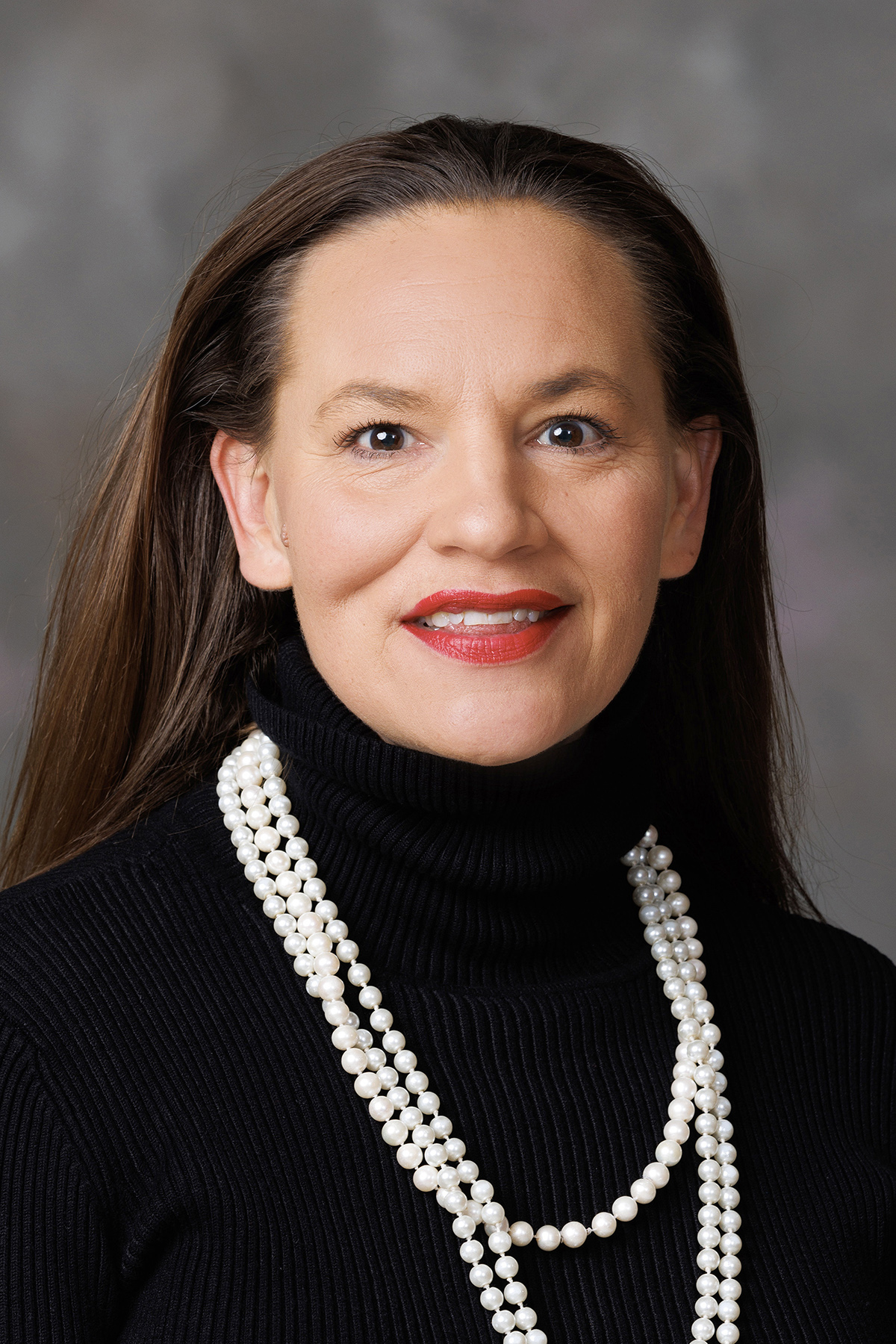
Photo of Danielle Conrad
N Nebraska House · District 46

Rep. Danielle Conrad

Compare
Total votes
3,250
all sessions
Attendance
96%
136 missed
Near the chamber average
With party
77%
of cast votes
Lower than 96% of chamber peers
Bipartisan score
12%
some cross-party votes
Higher than 94% of chamber peers
Sponsored
412
bills & resolutions
Higher than 98% of chamber peers
Committees
3
assignments
412 bills and resolutions

Sponsored bills

Total
412
Primary
118
Co-sponsor
294
This page
412
matching current filters
Co-sponsor LB 100
died · Co-sponsor
Adopt the Business Innovation and Startup Act

Maddy summaryLB 100 creates a new Office of Business, Entrepreneurship, and Innovation within Nebraska's Department of Economic Development to support startups and small businesses. It requires state agencies to aim for 5% of contracts and workforce development funding to go to businesses under five years old, and encourages eliminating business license fees for new Nebraska-based businesses. The office must report annually on policy impacts and track progress toward these goals, with state agencies also required to report on their efforts. These provisions directly affect new businesses (under five years old) and state agencies managing contracts, workforce programs, and economic development funds.

died Apr 17, 2026 1 co-sponsor
Co-sponsor LB 99
died · Co-sponsor
Limit use of restrictive housing and solitary confinement

Maddy summaryNebraska's LB 99 limits restrictive housing and solitary confinement in state correctional facilities. It prohibits holding any inmate in restrictive housing for more than 15 consecutive days and bans placing vulnerable populations - including minors, pregnant people, and those with serious mental illness, developmental disabilities, or traumatic brain injuries - in restrictive housing (Section 83-173.03). The bill defines restrictive housing as conditions with less than 10 hours of out-of-cell time daily and solitary confinement as 22+ hours in a cell with no visual/auditory contact or restricted activities (Section 83-4,114). It requires facilities to develop individualized transition plans for inmates moving from restricted housing back to general population. The law directly affects all incarcerated individuals in Nebraska's correctional system, with specific protections for medically vulnerable inmates.

died Apr 17, 2026 1 co-sponsor
Co-sponsor LB 425
died · Co-sponsor
Change provisions relating to homestead exemptions for certain disabled veterans and surviving spouses

Maddy summaryLB 425 expands Nebraska's homestead tax exemption to include veterans with 80-99% service-connected disability (previously limited to 100% disabled veterans) and their eligible surviving spouses. It adds new qualifying categories under subsection (2)(g), allowing these veterans and surviving spouses (who remarried after age 57) to receive a tax exemption equal to their disability percentage (e.g., 85% disabled = 85% exemption). The bill also modifies application requirements: annual certification for most exemptions, but certification every five years for some categories. It takes effect January 1, 2026, and repeals the previous version of the exemption law. This directly affects disabled veterans with partial service-connected disabilities and their surviving spouses who meet specific criteria.

died Apr 17, 2026 1 co-sponsor
Co-sponsor LB 74
died · Co-sponsor
Authorize certain expenditures under the Nebraska Political Accountability and Disclosure Act

Maddy summaryLB 74 amends Nebraska's campaign finance law to allow political committees and candidates to spend on specific activities beyond previous limits. It directly affects campaign committees and officeholders by authorizing expenditures for campaign office operations, social events for volunteers, public input activities, repayment of pre-election campaign loans, newsletters, small gifts (under $50 annually), and travel/meals related to campaign or official duties. Key provisions include permitting child care services for officeholders during official activities and expanding allowable conference fees and travel for staff and family during campaign or office-related events. The bill repeals the original section it amends to harmonize the law. This is a procedural change to campaign spending rules, not a new policy.

died Apr 17, 2026 1 co-sponsor
Co-sponsor LB 304
Signed into law · Co-sponsor
Eliminate a sunset date for the federal Child Care Subsidy program and state intent regarding funding

Maddy summaryLB 304 removes the expiration date (sunset) for Nebraska's participation in the federal Child Care Subsidy program, making the program permanent beyond its current September 30, 2026, deadline. It directly affects low-income families with children who qualify for child care assistance based on income thresholds (up to 185% of the federal poverty level before October 1, 2026, or 130% after). The bill maintains existing eligibility rules, including transitional assistance for families exceeding income limits, and ensures funding comes from federal Child Care Development Block Grant funds rather than state general funds. It does not change income levels or subsidy structures but extends the program's duration indefinitely.

Signed into law Apr 17, 2026 1 co-sponsor
Co-sponsor LB 75
died · Co-sponsor
Change provisions of the Wage and Hour Act relating to tipped employees and provide for complaints, prohibited actions, and liquidated damages

Maddy summaryLB 75 amends Nebraska's Wage and Hour Act to strengthen protections for tipped employees, such as servers and hotel staff. It requires employers to ensure that an employee's total pay (base wage plus tips) meets or exceeds the state's minimum wage, shifting the burden of proof to employers to verify compliance. The bill mandates employers to maintain detailed records of tipped workers' pay, hours, and tips for three years and establishes clearer complaint procedures with liquidated damages for violations. These changes directly affect businesses in hospitality and service industries employing tipped workers across Nebraska.

died Apr 17, 2026 1 co-sponsor
Co-sponsor LB 408
died · Co-sponsor
Adopt the Special Education Teacher Forgivable Loan Program Act

Maddy summaryThis bill creates Nebraska's Special Education Teacher Forgivable Loan Program, targeting students pursuing special education teaching credentials at eligible Nebraska colleges. It provides loans covering remaining tuition costs after federal/state aid, which are forgiven if recipients teach special education in Nebraska public schools for five consecutive years. To qualify, students must be U.S. citizens or specific eligible noncitizens, enrolled in special education programs, and have applied for other financial aid. Failure to teach in Nebraska for the required period results in repayment with 5% annual interest.

died Apr 17, 2026 1 co-sponsor
Primary LB 589
died · Lead sponsor
Change provisions relating to reimbursement for special education programs and support services and require school districts to provide special education staff with professional leave

Maddy summaryLB 589 changes how Nebraska school districts receive reimbursement for special education programs and support services while requiring districts to provide special education staff with four days of annual professional leave. The bill adjusts reimbursement calculations for allowable costs, ensures funding from state education funds, and mandates that districts cover substitute staff costs during this leave. This directly affects all Nebraska public school districts offering special education services, as they must now allocate resources for both the new leave policy and updated reimbursement processes. The professional leave must be used onsite solely for completing essential documentation related to students' special education cases.

died Apr 17, 2026 0 co-sponsors
Co-sponsor LB 95
died · Co-sponsor
Provide for a pilot program under the federal Child Care Subsidy program

Maddy summaryLB 95 creates a three-year pilot program (2025-2028) to provide child care assistance specifically for Nebraska child care workers. It directly affects households where a member works in licensed child care (including self-employed providers, Head Start, or Early Head Start programs), with income at or below 85% of the state median. Eligible households receive 12 months of no-cost child care assistance if they maintain qualifying employment, and the program requires annual reports tracking participation, employment duration, and costs. The bill modifies existing child care subsidy rules to establish this targeted pilot while maintaining standard federal eligibility requirements.

died Apr 17, 2026 1 co-sponsor
Co-sponsor LB 117
died · Co-sponsor
Provide a sales and use tax exemption for electricity, natural gas, propane, and sewer utilities

Maddy summaryLB 117 exempts residential users from Nebraska's sales and use tax on electricity, natural gas, propane, and sewer utilities. It directly affects homeowners and renters in apartments or commercial properties primarily used as residences, where utilities are billed separately from rent. The bill amends tax code section 77-2704.13 to exclude these utility services from taxation when used for qualifying residential purposes. The exemption takes effect January 1, 2026, and repeals the previous tax treatment for these utilities. This is a direct tax policy change for residential utility consumers, not a procedural measure.

died Apr 17, 2026 1 co-sponsor
Showing 61 to 70 of 412 bills
Previous 1 6 7 8 42 Next