Issue · Criminal Justice

Criminal Justice

Every criminal justice bill, vote, and legislator stance in Nebraska, automatically classified by Maddy, our AI policy reader.

Total bills
146
109th Legislature (2025-2026)
Top supporter
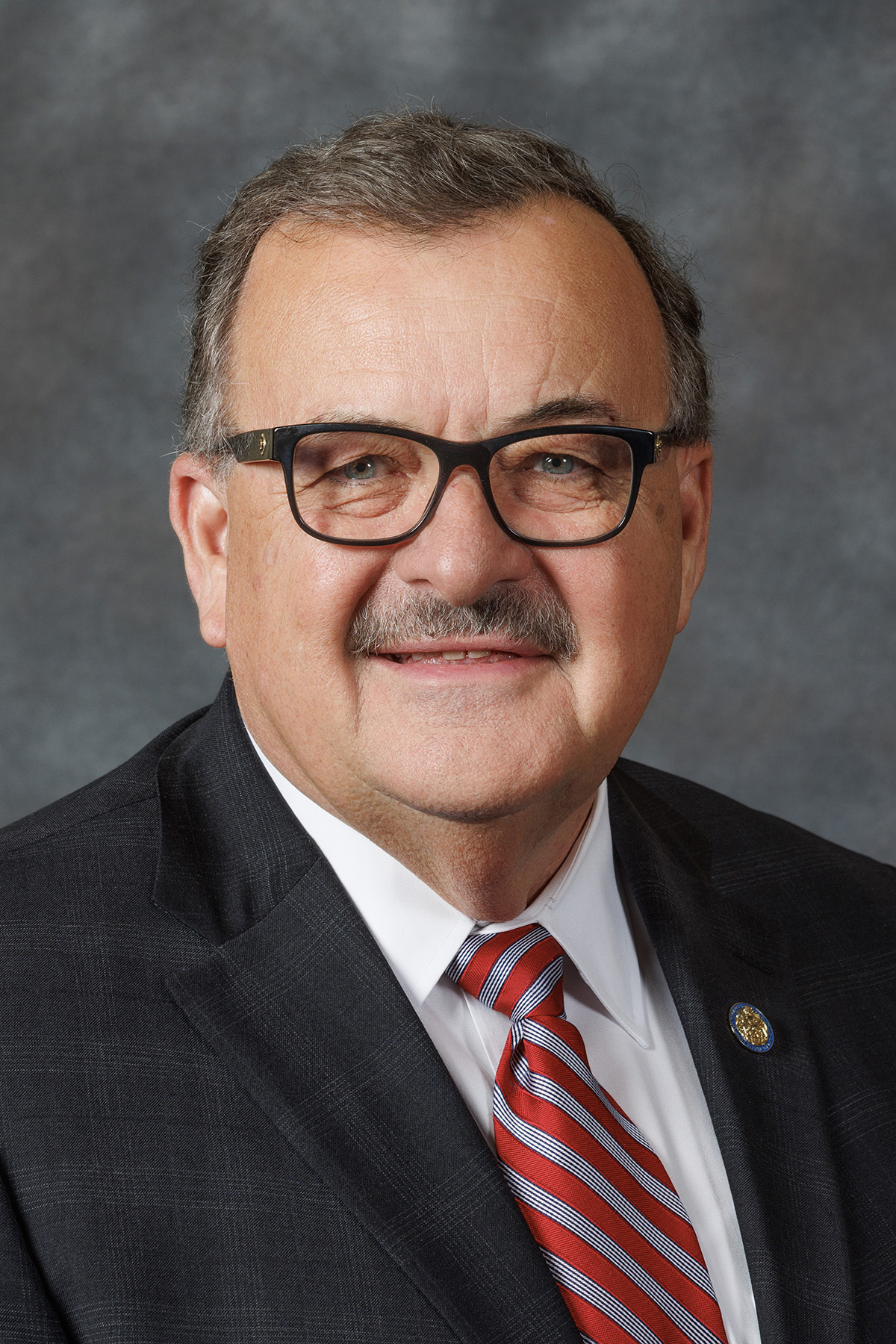
Eliot Bostar
69% support rate
Top opponent
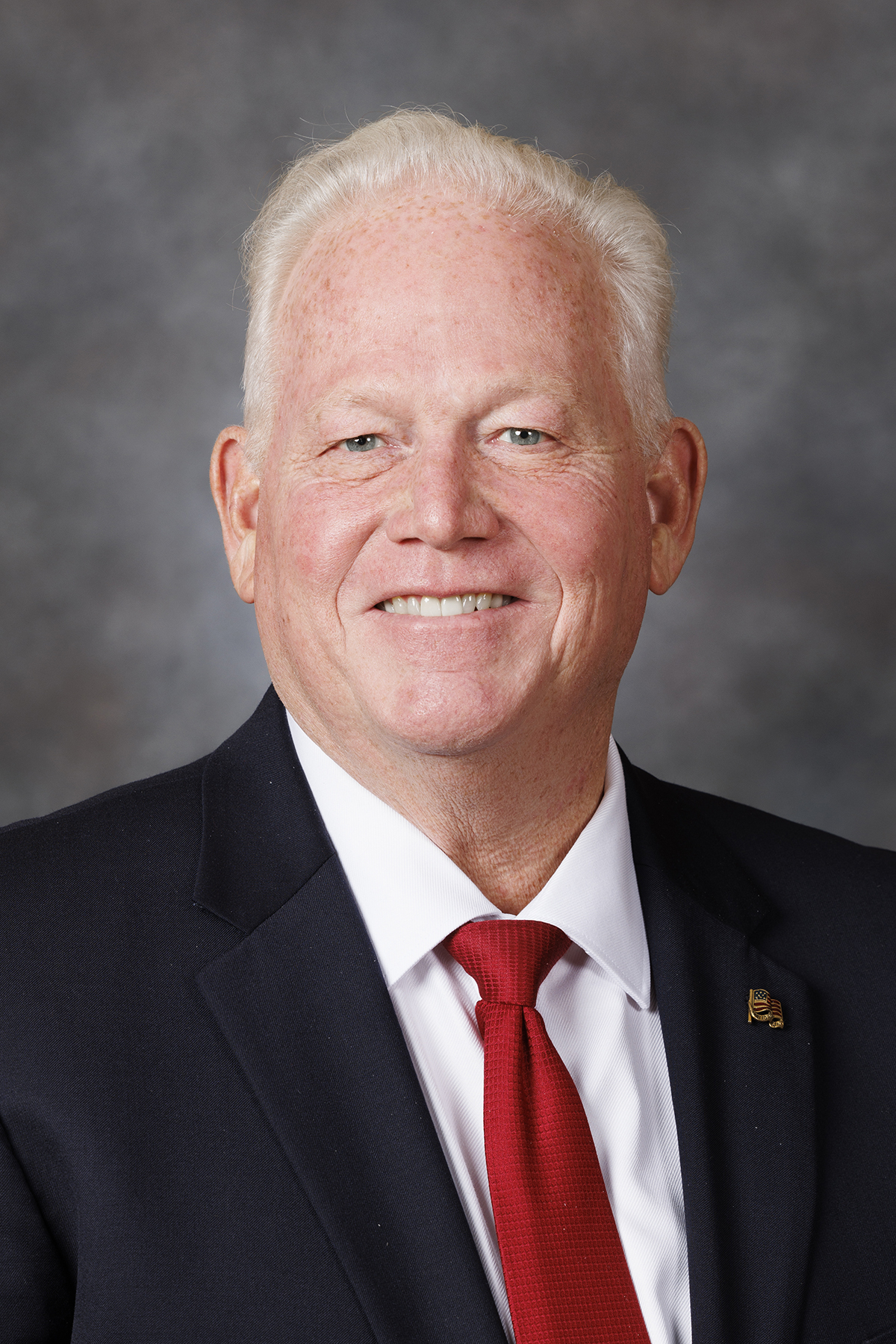
Rob Clements
38% support rate
Ranked legislators
10
5 support · 5 oppose
Key legislators

Who's moving criminal justice in Nebraska

Legislators moving criminal justice in Nebraska
Legislator Party Stance Support rate Votes
Eliot Bostar
Eliot Bostar House · District 29
N
Support
69% 44
Tom Brandt
Tom Brandt House · District 32
N
Support
68% 69
John Fredrickson
John Fredrickson House · District 20
N
Support
65% 39
Robert Dover
Robert Dover House · District 19
N
Support
65% 40
John Cavanaugh
John Cavanaugh House · District 9
N
Support
64% 61
Rob Clements
Rob Clements House · District 2
N
Oppose
38% 69
Mike Jacobson
Mike Jacobson House · District 42
N
Oppose
40% 61
Dan Lonowski
Dan Lonowski House · District 33
N
Mixed −
40% 66
Bob Andersen
Bob Andersen House · District 49
N
Mixed −
41% 72
Kathleen Kauth
Kathleen Kauth House · District 31
N
Mixed −
41% 73
Showing 121–130 of 146 bills

All criminal justice bills

died · Nebraska · Legislature Apr 17, 2026

LB 206: Provide enhanced penalties for certain offenses committed in a disaster area during an emergency period

LB 206 increases penalties for specific crimes committed in declared disaster areas during emergency periods. It applies to offenses like assault, robbery, arson, burglary, theft, and criminal trespass when they occur in areas under a Governor's emergency proclamation, local declaration, federal disaster declaration, or mandatory evacuation order. If convicted, offenders face the next higher penalty classification (e.g., a Class I misdemeanor becomes a Class IV felony). The bill requires prosecutors to prove the enhanced penalty in court, and the "emergency period" lasts until the declaration ends or 30 days after issuance.
Sub-Topics Violent Crime
died · Nebraska · Legislature Apr 17, 2026

LB 387: Redefine a term under the Nebraska Treatment and Corrections Act

Nebraska bill LB 387 redefines "solitary confinement" in the state's Correctional Services Act to specifically mean "confinement in an individual cell having solid, soundproof doors that deprives an inmate of all visual and auditory contact with others." This change directly affects Nebraska correctional facilities and inmates held in restrictive housing, as it establishes a clear legal definition for this practice. The bill amends section 83-170 of the law by adding this definition and repealing the previous version. This is a technical clarification of terminology, not a new policy or funding change.
Sub-Topics Corrections
died · Nebraska · Legislature Apr 17, 2026

LB 327: Require the state to pay expenses for probation services

LB 327 shifts responsibility for funding probation services from Nebraska counties to the state. Beginning between July 1, 2026, and July 1, 2027, the state will pay all costs for probation staff salaries, travel, office maintenance, and technology (including hardware, software, and internet). This replaces a prior system where counties initially covered these expenses and sought reimbursement from other counties. The bill directly affects county probation offices, which will no longer bear these costs, and the state budget, which must appropriate funds through the Supreme Court.
Sub-Topics Probation & Parole
died · Nebraska · Legislature Apr 17, 2026

LB 488: Require a peace officer to assume custody of a probationer or temporary custody of a juvenile upon request by a probation officer

LB 488 requires peace officers to take custody of probationers (for misdemeanor or felony offenses) or juveniles when a probation officer requests it due to a violation of probation conditions that poses a danger to people or property or involves an attempt to flee the jurisdiction. The bill mandates that probation officers must document violations and request custody through written reports to county attorneys, who then decide whether to pursue probation revocation. It applies specifically to cases where probation officers have reasonable cause to believe a violation creates immediate risk, not routine probation breaches. This change standardizes procedures for both misdemeanor and felony probation cases across Nebraska statutes.
died · Nebraska · Legislature Apr 17, 2026

LB 636: Change provisions relating to fees allowed for sheriffs and provide for reimbursement to counties for medical services for jail inmates

LB 636 creates a state reimbursement program for counties covering medical costs for jail inmates, effective July 1, 2025. Counties must submit quarterly claims for eligible medical expenses (like treatment or emergency care) to the Jail Standards Board, which will pay them up to $21 million annually. The bill updates sheriff fee rates but primarily shifts the financial burden from counties to the state for inmate medical care, requiring counties to document costs and comply with strict filing deadlines. It excludes costs resulting from county negligence and mandates biennial audits of county records.
died · Nebraska · Legislature Apr 17, 2026

LB 255: Provide for use of the Opioid Treatment Infrastructure Cash Fund for problem solving courts

LB 255 redirects $1 million annually from Nebraska's Opioid Treatment Infrastructure Cash Fund to support problem-solving courts. It specifically authorizes funding for medication-assisted treatment (using FDA-approved medication combined with counseling and therapy) for individuals with substance use disorders participating in these courts. The bill affects drug, veterans, mental health, and other problem-solving courts across judicial districts, requiring the State Court Administrator to track outcomes and report on recidivism and program access. This policy change explicitly ties fund usage to court-based treatment programs, as amended in sections 24-1302 and 71-2492 of Nebraska law.
died · Nebraska · Legislature Apr 17, 2026

LB 127: Provide for damages for defendants who are found not guilty or whose cases are dismissed or overturned

LB 127 allows defendants in Nebraska criminal cases who are found not guilty, have charges dismissed, or have convictions overturned to seek compensation for financial harms caused by wrongful prosecution. It requires courts to award reasonable attorney fees, lost wages, and other litigation costs when a case ends in dismissal or acquittal under specific conditions. The bill excludes cases where defendants later face conviction for related offenses arising from the same misconduct. This law directly affects individuals cleared of criminal charges after significant legal costs and time spent in detention.
Sub-Topics Victims' Rights
died · Nebraska · Legislature Apr 17, 2026

LB 578: Change provisions relating to compensation and employment of jail and prison inmates and disbursements of such funds and require payment of the minimum wage for inmates and government employees

LB 578 requires city and county jails and Nebraska's Department of Correctional Services to pay incarcerated individuals the state minimum wage for work performed in correctional facilities. It mandates that administrators establish bank accounts for inmates to receive their wages, replaces outdated wage distribution rules, and ensures inmate labor complies with federal workplace safety standards. The bill also clarifies that inmates' wages cannot displace existing workers or violate local pay standards for similar work. These changes apply to all inmates working in jails or state correctional facilities, directly affecting their compensation and financial management.
died · Nebraska · Legislature Apr 17, 2026

LB 584: Change sentencing provisions for crimes committed by a person younger than eighteen years of age

Nebraska's LB 584 changes sentencing for juveniles (under 18) convicted of felonies. It establishes new minimum and maximum prison terms for Class IA through IIA felonies, such as 20-50 years for Class IA offenses. The bill requires courts to consider specific mitigating factors like the defendant's age, family environment, mental health evaluations, and developmental history before sentencing. This replaces previous sentencing rules and harmonizes juvenile sentencing with Nebraska's Juvenile Code, allowing courts to use juvenile disposition options instead of standard penalties.
died · Nebraska · Legislature Apr 17, 2026

LB 407: Provide for criminal proceedings against juveniles charged with felonies following unsuccessful juvenile court proceedings and provide for inadmissibility of certain statements

LB 407 modifies Nebraska juvenile justice procedures by allowing criminal prosecution for juveniles aged 13-15 charged with serious felonies (Class I-IIA) after failed rehabilitation in juvenile court. It establishes a new process for transferring such cases back to juvenile court for further proceedings if rehabilitation efforts are unsuccessful. The bill also prohibits using statements made to mental health professionals during transfer hearings as evidence in later criminal trials. This affects minors accused of major crimes who have already undergone juvenile court processing.
Sub-Topics Juvenile Justice
Showing 121 to 130 of 146 bills
Previous 1 12 13 14 15 Next