Maddy summaryThis resolution designates the week of June 29 through July 4, 2026, as National Tire Safety Week to raise awareness among American motorists about vehicle tire maintenance. The measure encourages drivers to inspect their tires for damage, check pressure monthly, and follow manufacturer recommendations for rotation and alignment to prevent accidents and improve safety. By promoting these specific maintenance habits, the bill aims to reduce tire-related injuries and fatalities on the road without imposing new legal requirements or funding changes.
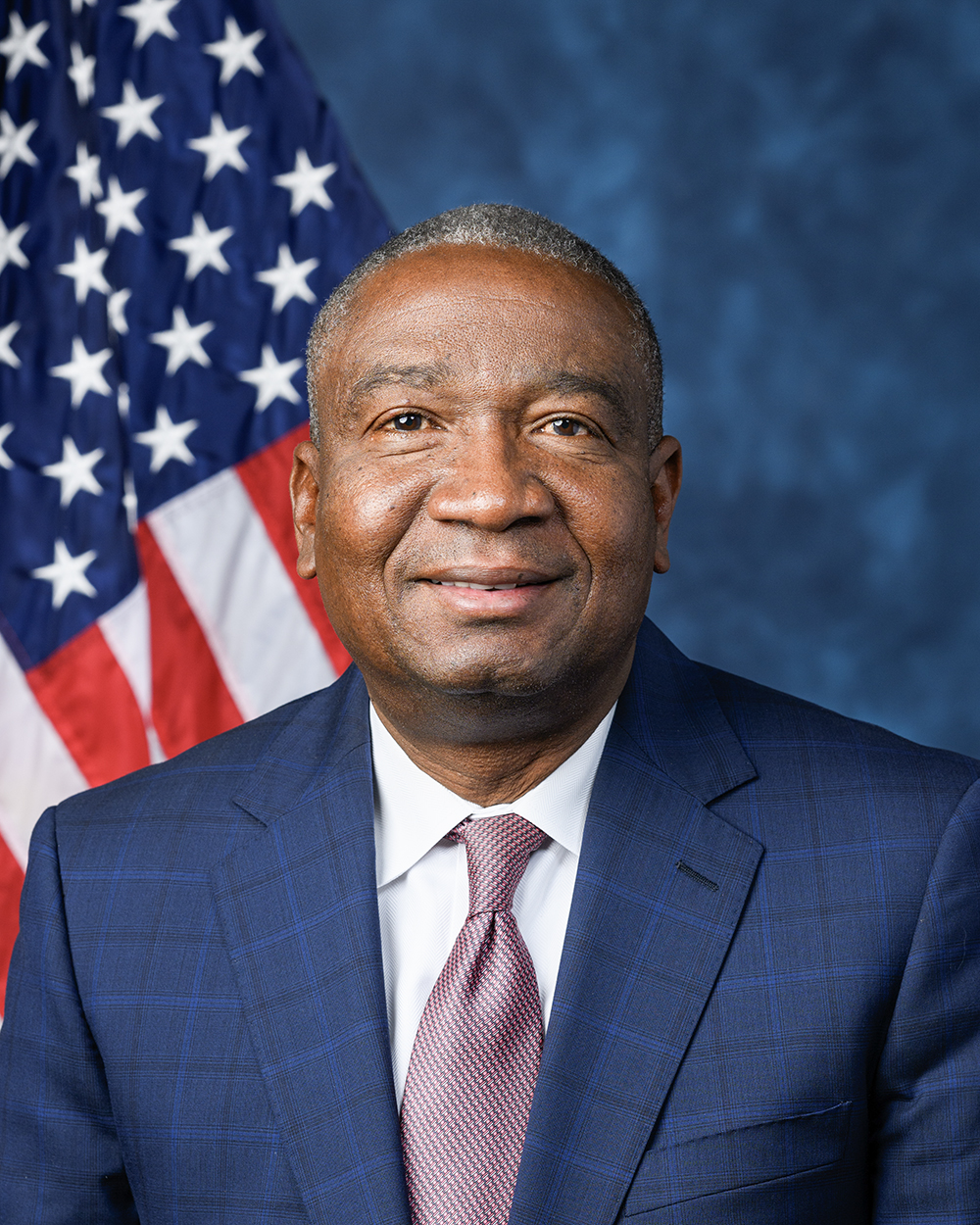
Rep. Cleo Fields
Sponsored bills
Maddy summaryThis bill, known as the NFIP Premium Transparency Act, requires the Federal Emergency Management Agency to provide homeowners with flood insurance policies with more detailed information about their premiums and risk factors. Under the new rules, insurance declaration pages will list current rates, explain any discounts, show claim history, and estimate how long it will take for premiums to reach full-risk levels. Additionally, the agency must create an online tool that allows the public and property owners to view specific rating factors, such as elevation and building type, and to simulate how changes like mitigation projects might lower future costs. The legislation also mandates annual reports on flood insurance rates by region and asks an independent government official to study ways to further improve the transparency and functionality of these insurance tools.
Maddy summaryThis bill amends federal immigration laws to officially classify crawfish processing as agricultural labor. It directly affects workers involved in washing, sorting, grading, boiling, peeling, and transporting crawfish, allowing them to be treated similarly to those working in apple cider production. By adding these specific tasks to the legal definition of agricultural services, the legislation ensures that individuals performing this work can access the same visa categories available to other farm laborers. The change is a straightforward update to existing statutes without altering other immigration rules or creating new programs.
Maddy summaryThis bill proposes a new amendment to the U.S. Constitution to guarantee the right to vote for all citizens of legal voting age in their place of residence. It requires states to allow voters to register and cast ballots on election day and mandates that Congress set national standards for how elections are administered. The amendment permits only narrowly tailored rules to protect election integrity and gives Congress the authority to pass laws enforcing these new voting rights.
Maddy summaryThis bill directs the Assistant Secretary of Commerce for Communications and Information to conduct a comprehensive study on various broadband internet technologies, including fiber-optic cables, satellite systems, and mobile wireless networks. The study will examine specific factors such as workforce needs, deployment costs, internet speed and latency, equipment lifespan, and monthly subscription prices for consumers. The findings will be compiled into a report submitted to Congress within one year of the bill's enactment to inform future policy decisions regarding broadband infrastructure.
Maddy summaryThis bill, known as the Critical Access Hospital RIP Act of 2026, aims to protect rural hospitals from losing their special status due to new road construction. It directly affects facilities designated as critical access hospitals that might otherwise fail to meet population requirements because a nearby highway or bridge was recently built or improved. The law mandates that if a facility qualifies for designation but fails the population test solely because of a completed roadway project, it will still be considered to meet the requirement. By ignoring the impact of these specific transportation upgrades, the legislation ensures these hospitals can continue operating without being forced to close due to infrastructure changes.
Maddy summaryThe RESTORE Third Spaces Act of 2026 establishes a three-year federal pilot program to provide grants for renovating and developing community gathering places known as "third spaces," which are public areas distinct from home and work. Administered by the Department of Commerce, the program offers up to $200 million to local governments, nonprofits, and other eligible entities to support projects that strengthen local economies and reduce social isolation. A key requirement of the bill is that at least 60% of the funding must go to low-income and underserved communities, and the resulting spaces must remain free or low-cost for the public. To ensure accountability, recipients must engage the community in the design process and report on attendance, economic impact, and social benefits, with a final report submitted to Congress after the pilot period concludes.
Maddy summaryThe Stay Cool Act establishes a comprehensive framework to help communities prepare for and respond to extreme heat events by creating cooling centers, improving housing conditions, and enhancing urban infrastructure. It directs federal funding to states and local governments to build and equip cooling facilities, install air conditioning in public housing, and develop green spaces and water features to lower temperatures. The bill also creates a national system to track heat-related health risks, mandates checks on vulnerable seniors during heatwaves, and allows tax credits for businesses that keep their doors open during heat emergencies. Additionally, it requires updates to utility assistance programs to account for cooling costs and calls for studies on heat-related mortality and safe residential temperature standards.
Maddy summaryThis bill authorizes the U.S. Mint to produce commemorative $5 gold and $1 silver coins marking the 25th anniversary of the September 11, 2001, terrorist attacks. The coins must feature designs honoring victims and first responders (including the inscription "Never Forget") and will be sold only during 2027-2028. All surcharges ($35 per gold coin, $10 per silver coin) collected from sales will fund the National September 11 Memorial and Museum at the World Trade Center, with no net cost to the federal government. The coins are legal tender but primarily intended for collectors, not circulation.
Maddy summaryThis bill reauthorizes and strengthens the Civil Rights Cold Case Records Collection program. It establishes that all federal, state, and local government records related to historical civil rights cases must carry a presumption of immediate public disclosure, with full access intended for public understanding. Key provisions include allowing the Review Board to reimburse state/local governments for digitizing or copying records to add to the national collection, removing an exception that previously blocked state records from being included, and extending the Review Board's term from 7 to 11 years. The bill directly affects government agencies holding these records and the public seeking historical transparency about civil rights cases.