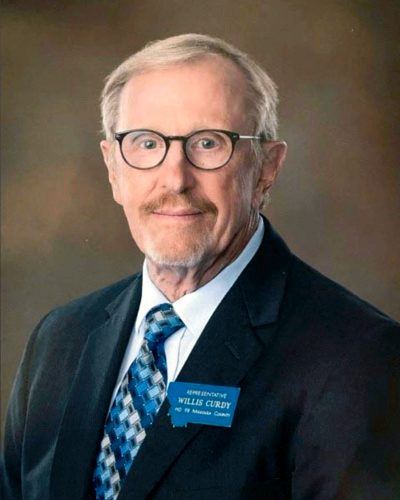
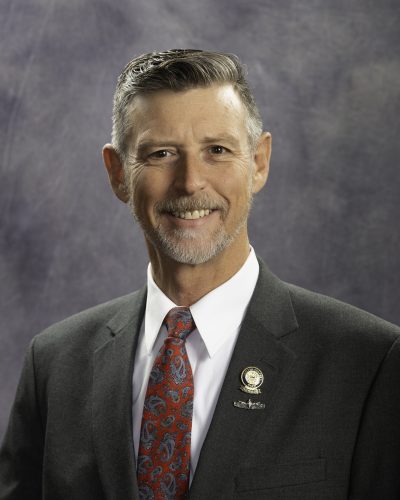
HB 511 creates a $5 million grant program to fund firefighting training facility projects for local fire departments in Montana. The bill provides grants for building, upgrading, or repairing training facilities and purchasing equipment, with limits of $250,000 per project and $500,000 per county. Applicants must provide a 1% cash or service match for grants over $25,000 and follow safety standards, while the Department of Military Affairs administers the program. Funding is authorized for the 2025-2029 biennium and expires June 30, 2031.
This bill establishes a state grant program to help Montana fire departments purchase safety equipment and improve health and safety conditions for firefighters. The program allows eligible fire departments, companies, or districts to apply for up to $10,000 in grants for items such as personal protective equipment, saunas, shower facilities, and cleaning devices for gear. Funding comes from charitable donations and a $10 nonrefundable application fee paid by each applicant, with priority given to departments with smaller budgets, those in rural areas, and those serving diverse regions of the state. The bill also authorizes the state disaster and emergency services division to administer the program and adopt rules to implement it.
SB 394 would have expanded Montana's workers' compensation system to cover posttraumatic stress disorder (PTSD) for eligible first responders. It defines "first responder" to include firefighters, law enforcement officers, detention center/prison staff, and emergency care providers, requiring a diagnosis per the latest DSM-5 manual that links PTSD directly to work duties. The bill amended existing laws to allow PTSD claims under workers' compensation, subject to standard procedural requirements. However, this bill was vetoed by the Governor on June 9, 2025, so it did not become law.
SB 308 would remove Montana's current limit on workers' compensation benefits that capped payments at the state's average weekly wage. Instead, it would establish a fixed maximum benefit of $2,885 per week for all eligible injured workers. This change would directly affect higher-earning workers who previously received reduced benefits due to the wage-based cap. The bill amends specific sections of Montana's workers' compensation code to implement this fixed maximum payment structure.
SB 372 establishes minimum nurse-to-patient ratios for Montana hospitals, requiring specific limits in key units (e.g., 1 nurse per critical ER patient, 2 per ICU patient, 4 per medical-surgical unit). It mandates hospitals to create annual staffing plans with input from direct-care nurses, form committees where at least half the members are frontline nurses, and publicly post these plans. Hospitals must track and report actual nurse-to-patient ratios for each shift and unit, ensuring transparency for staff, patients, and the public. The bill directly affects all Montana hospitals licensed by the Department of Public Health, requiring concrete changes to staffing practices and reporting.
SB 331 requires all state-owned or state-operated buildings in Montana to install automatic fire sprinkler systems or equivalent fire suppression systems. This bill amends the state building code to mandate this safety feature for government buildings, including offices, schools, and facilities managed by state agencies. The key provision adds a specific requirement to the building code rules, ensuring all state buildings meet this fire safety standard. It directly affects every Montana state building, enhancing fire protection without applying to private or non-state properties.
SB 94 prohibits Montana public employers from using public funds or resources for labor organization activities, directly affecting public sector workers like teachers and school staff. It bans contributions of public money to unions or paid leave for union work, but allows unpaid time off for such activities and permits using accrued personal leave under specific conditions. The bill requires unions to cover costs for paid leave used in union activities through annual invoices to public employers and mandates reporting on time spent on union-related work. These changes aim to limit public funding for union operations while establishing clear administrative procedures.
SB 454 proposes significant revisions to Montana's commercial tow truck regulations. It establishes new classification standards for tow trucks (Classes A-E) based on equipment capacity and chassis requirements, replacing previous ratings. The bill also mandates certification for operators (75% of employees for companies, or 1 year of experience for individuals), requires equipment to meet updated safety standards, and clarifies requirements for participating in the law enforcement rotation system. These changes directly affect tow truck operators, companies, and the Montana Highway Patrol, which oversees inspections and classification. The bill was introduced in 2025 but died in committee without becoming law.
SB 565 creates a permanent Montana Endowment for Early Childhood, funded by quarterly state transfers and fees from renewed childcare facility licenses. It establishes a 7-member board (including state agency staff and community representatives) to manage the endowment and allocate funds from the Montana Early Childhood Account. The bill directs funds toward grants for childcare workforce development, quality improvements (like safety upgrades), affordability programs (including subsidies), and emergency assistance for childcare providers. These funds directly support early childhood programs, providers, and families accessing childcare services across Montana.
SB 295 would restore Montana injured workers' right to choose their own treating physician for initial treatment and ongoing care under workers' compensation, without being forced to use a managed care organization (MCO) or preferred provider organization (PPO) without consent. The bill requires insurers to allow workers to select a physician from a designated list for initial treatment and to change physicians with the insurer's approval (with mediation available if approval is denied). It also mandates that insurers provide individual written notice (not workplace postings) before referring workers to an MCO or PPO. This directly affects injured workers seeking medical treatment for work-related injuries in Montana, giving them more control over their healthcare decisions.