

Issue · Housing
Housing
Every housing bill, vote, and legislator stance in Montana, automatically classified by Maddy, our AI policy reader.
Total bills
164
2025 Regular Session
Top supporter
George Nikolakakos
89% support rate
Top opponent
Matt Regier
39% support rate
Ranked legislators
10
5 support · 5 oppose
Key legislators
Who's moving housing in Montana
| Legislator | Party | Stance | Support rate | Votes |
|---|---|---|---|---|

George Nikolakakos
House · District 22
|
R |
Strong +
|
89% | 320 |
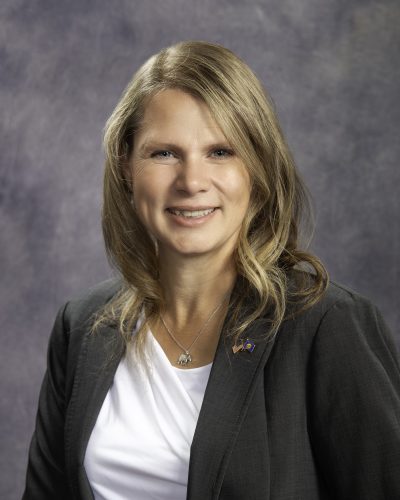
Melissa Nikolakakos
House · District 20
|
R |
Strong +
|
85% | 316 |

Josh Kassmier
Senate · District 13
|
R |
Strong +
|
84% | 332 |

Denley Loge
Senate · District 45
|
R |
Strong +
|
84% | 331 |

Gayle Lammers
Senate · District 21
|
R |
Strong +
|
84% | 355 |

Matt Regier
Senate · District 5
|
R |
Oppose
|
39% | 336 |
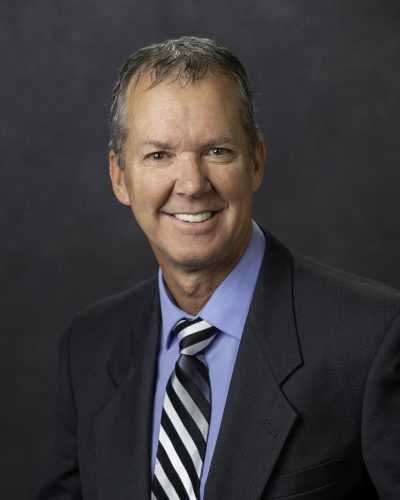
Terry Falk
House · District 10
|
R |
Oppose
|
40% | 312 |
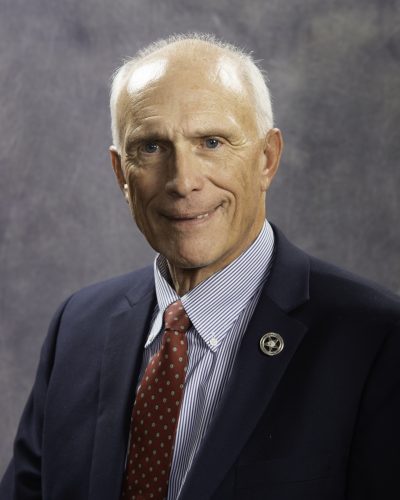
Jerry Schillinger
House · District 34
|
R |
Mixed −
|
41% | 312 |

Jedediah Hinkle
House · District 67
|
R |
Mixed −
|
42% | 322 |

Kathy Love
House · District 85
|
R |
Mixed −
|
43% | 294 |
Showing 71–80 of 164
bills
All housing bills
HB 924: Generally revise state finance laws
Topics
✓ Budget & TaxesSupports Budget & TaxesProvides property tax relief and funds essential programs (disaster resiliency, water, bridges, early childhood) via new trust, directly supporting tax relief and public spending priorities.
✓ HousingSupports HousingBill explicitly allocates half of interest income to housing infrastructure, directly funding development projects per the trust's structure.
✓ TransportationSupports TransportationBill allocates funds specifically to 'bridge repairs' (transportation infrastructure) as one of five designated programs funded by the trust's interest income.
LC 1975: Establish a behavioral health trust fund
Topics
✓ Budget & TaxesSupports Budget & TaxesCreates dedicated funding via trust fund for mental health services, aligns with appropriations subject and supports public service funding.
✓ EducationSupports EducationFunds school-based mental health programs, directly supporting student well-being and access to educational services within K-12 schools.
✓ HealthcareSupports HealthcareCreates dedicated funding via trust fund for mental health/substance use services, supporting access through school programs, crisis care, and shelter counselors.
✓ HousingSupports HousingFunds counselors in homeless shelters and transitional housing, directly supporting housing stability for vulnerable populations through mental health services.
SB 424: Revising the disabled veteran property tax assistance program
Topics
✓ Budget & TaxesSupports Budget & TaxesExpands property tax relief for disabled veterans (60-90% disabled) via income-based rate reductions, directly reducing tax burden under Revenue/Taxation subject.
✓ HousingSupports HousingExpands property tax relief for disabled veterans, reducing housing costs for homeowners through income-based tax rate reductions.
✓ VeteransSupports VeteransExpands property tax assistance to 60-90% disabled veterans (previously 80%+), adding income-based tax reductions for this group, directly advancing veteran benefits.
Sub-Topics
Property Taxes
HB 213: Revise residential and commercial property tax rate
Topics
✓ Budget & TaxesSupports Budget & TaxesLowers property tax rates for most residential properties, providing tax relief to middle-income homeowners per bill's explicit rate reduction from 1.35% to 0.76%.
✓ HousingSupports HousingLowers property tax rate for residential properties (1.35% to 0.76%), reducing costs for homeowners and rental units, advancing housing affordability.
HB 489: Revise sales tax laws to provide for local option tax
Topics
✓ Budget & TaxesSupports Budget & TaxesBill creates local sales tax (max 4%) to fund property tax relief for primary residences/rentals, directly reducing tax burden on homeowners per summary.
✓ HousingSupports HousingProvides property tax relief for primary residences and long-term rentals, reducing housing costs and supporting affordability through targeted tax relief.
HB 839: Provide income tax credit for certain long-time residents
Topics
✓ Budget & TaxesSupports Budget & TaxesProvides $500 income tax credit for lower-income residents ($100k cap), reducing taxable burden for qualifying long-term residents.
✓ HousingSupports HousingProvides $500 tax credit to long-term low-income residents ($100k income cap), increasing housing affordability for qualifying individuals without direct housing development.
HB 346: Exempt Commerce grants and loans from MEPA
Topics
✗ EnvironmentOpposes EnvironmentExempts Commerce programs from MEPA environmental reviews, weakening oversight and protections by removing required assessments for projects.
✓ HousingSupports HousingExempts housing finance programs from MEPA, facilitating implementation and supporting housing development as explicitly listed in bill summary.
✓ Labor & EmploymentSupports Labor & EmploymentBill exempts workforce training programs from MEPA reviews, facilitating faster implementation of employment-focused initiatives under Department of Commerce programs.
Sub-Topics
Conservation
Historic Preservation
Housing Finance
Property Development
Workforce Development
SB 146: Creating the private property protection act
Sub-Topics
Zoning