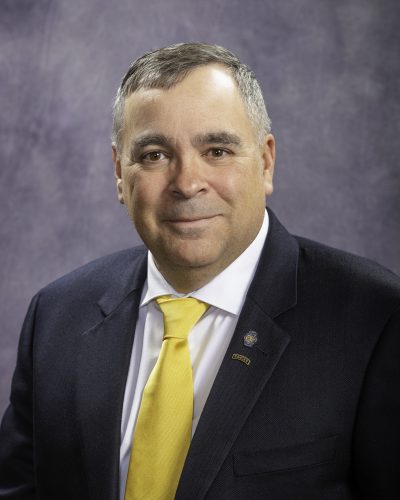
HB 653 revises state law regarding parental access to a child's health care information and consent for medical care. The bill generally requires parental consent for most medical procedures, examinations, prescription drugs, and mental health services for children, with exceptions for emergencies. It also mandates that health care providers make a child's health information available to a parent within 10 days of a request. However, parental access to this information is not required if a government entity is the child's guardian, a court order limits parental rights, or the parent is under investigation for abuse or a crime against the child.
HB 273, the "Montana Medical Debt Patient Protection Act," aimed to limit how health care providers and third-party collectors pursue medical debt from patients in Montana. The bill would have prohibited certain collection actions, including wage garnishment, placing liens on a patient's primary residence, and reporting adverse information to credit agencies. It also mandated a 180-day waiting period after the first bill before "extraordinary collection actions," such as filing lawsuits or selling debt, could begin, along with requiring a 30-day notice to the patient. Additionally, it sought to provide patients with an opportunity to appeal insurance decisions before a bill went to collections.
HB 885 aims to improve customer service for Medicaid applicants and recipients in Montana. It requires the Department of Public Health and Human Services (DPHHS) to implement mobile-first technology for online applications and renewals, utilize text and email for communications, and ensure written notices are in plain language and translated. The bill also mandates the DPHHS to provide expected wait times and callback options for hotline callers and to reopen 10 local public assistance offices by June 30, 2026. Additionally, it establishes quarterly reporting requirements to the legislature on various Medicaid client service metrics.
The provided bill text, identified as Senate Bill 382, focuses on revising laws related to immunization exemptions, which differs from the title "Establish the specie legal tender act" for HB 382.
Based on the provided text, this bill mandates that various entities, including state agencies, schools, child care facilities, and licensed health care providers, must accept religious or informed consent exemptions for required immunizations, injections, or medications for employment or attendance. It establishes that denying such an exemption is an unlawful discriminatory practice. Non-compliant entities could face a loss of state funding, and individuals denied an exemption may file complaints and seek compensatory damages. The bill also clarifies and strengthens the existing provisions for religious, medical, and informed consent exemptions for school attendance.
House Bill 371 aimed to prohibit the administration of gene-based vaccines, including those using messenger RNA (mRNA) or deoxyribonucleic acid (DNA) technology, to humans within the state of Montana. The bill proposed that anyone providing or administering such a vaccine would be guilty of a misdemeanor, facing a $500 fine for each incident. It also required the relevant licensure board to review the license of any professional who violated this prohibition. This legislation would directly affect healthcare providers and individuals seeking these specific types of vaccines in Montana.
House Bill 556 regulates how health insurance issuers use artificial intelligence (AI) for reviewing and managing healthcare services. It prohibits AI, algorithms, or other software tools from solely determining medical necessity or denying, delaying, or modifying healthcare services. Instead, medical necessity determinations must be made by licensed healthcare professionals, considering individual patient history and circumstances, not just group data. The bill also requires AI tools to be applied fairly, avoid discrimination, and be open to audit, making non-compliance an unfair claim settlement practice.
HB 500 aimed to revise laws related to chiropractic practitioners in Montana. The bill sought to establish a new license endorsement, allowing chiropractors who obtain it to prescribe certain noncontrolled, nonscheduled drugs like muscle relaxants and NSAIDs for diagnostic and therapeutic purposes. The Board of Chiropractors would have been responsible for setting the educational qualifications and protocols for this prescriptive authority. Additionally, the bill proposed that chiropractic services be included as part of the Montana Medicaid program.
HB 797, also known as the "Expanding Physician Access Act," aims to revise occupational licensing laws to facilitate the licensure of international physicians. The bill establishes a process for the board to grant provisional licenses to international physicians who meet specific educational, examination, and experience requirements, and have an employment offer from a healthcare provider in the state. These provisional licenses automatically convert to full licenses after three years of continuous active practice in the state. This initiative seeks to remove barriers for internationally licensed physicians to fill vacancies, particularly in rural and primary care settings, while maintaining existing standards of care and licensing requirements.
HB 290 aimed to regulate products containing Perfluoroalkyl and Polyfluoroalkyl Substances (PFAS) within the state. Starting January 1, 2028, it would prohibit the manufacture, sale, or offer for sale of cosmetics, juvenile products, and menstrual products that contain intentionally added PFAS. Manufacturers would be required to provide a certificate of compliance for these products. Additionally, the bill would prohibit the use of class B firefighting foam containing intentionally added PFAS for training purposes from January 1, 2028, and regulate its emergency use at terminals, requiring annual notice and justification to the state fire marshal.
HB 526 proposes that the state join the Advanced Practice Registered Nurse (APRN) compact. This initiative allows Advanced Practice Registered Nurses licensed in one member state to practice in other compact states without needing to obtain a separate license for each. The bill establishes a framework for uniform licensure requirements and facilitates the exchange of information between states for regulatory and enforcement purposes. Its aim is to streamline the licensing process for APRNs and enhance their ability to provide care across state lines, potentially increasing access to healthcare services.