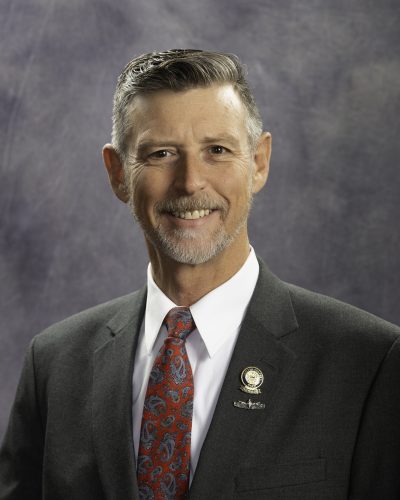
Key legislators
Who's moving school funding in Montana
Showing 4 of 4
bills
All education bills
This bill limits how much property taxes can grow for Montana's state education levies, specifically capping the increase at 3% above the prior year's revenue for certain state-mandated school taxes. It directly affects school districts and other governmental entities that collect property taxes for education purposes by restricting how many mills (tax rates) they can impose. The bill removes the ability to carry forward unused tax authority for specific state education mills and clarifies how newly taxable property and inflation adjustments are calculated. Local governments can still vote to raise additional taxes beyond these limits, but the state-mandated education portion is now strictly capped to prevent revenue growth exceeding the 3% threshold.
This proposed bill would have required a super majority (e.g., 60% or higher) of voters to approve local mill levies - taxes funding schools, roads, or services - instead of a simple majority. It would directly affect local governments and voters in communities seeking to raise funds through voter-approved levies. The bill never advanced beyond drafting, as its draft died in process on May 24, 2025, meaning no vote or enactment occurred. No concrete policy changes were implemented.
SB 102 limits annual revenue growth for specific education levies in Montana. It caps the increase in property tax revenue from state school equalization levies and vocational-technical education levies at no more than 3% above the previous year's total. The bill also prevents school districts from carrying forward unused mill authority (property tax rate authority) for these specific levies. This directly affects school districts that rely on these levies for funding, ensuring their revenue growth cannot exceed 3% annually without voter approval. The policy change applies to the calculation method for these levies as outlined in Montana law.
This bill would have prohibited state funding for Diversity, Equity, and Inclusion (DEI) programs in public K-12 schools. It aimed to prevent public school districts from using state funds for initiatives related to DEI, directly affecting school budgets and program offerings. The bill was introduced in 2024 but died in the drafting process in May 2025, meaning it did not advance to a vote or become law.