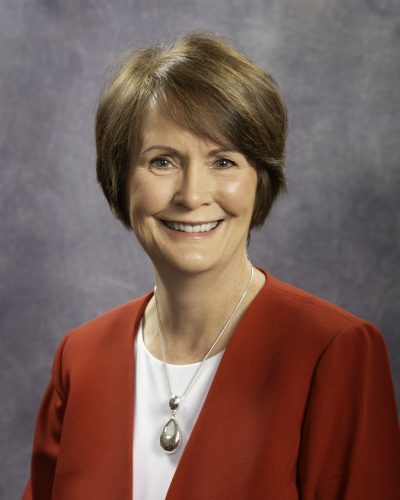
Key legislators
Who's moving education in Montana
Showing 21–23 of 23
bills
All education bills
HB 512 mandates that all new school buses purchased on or after January 1, 2026, must be equipped with lap-shoulder belts for each passenger. School districts using these buses would be required to adopt and enforce a seat belt usage policy and ensure belts are properly maintained. The bill provides exceptions for school districts that cannot afford such buses, following a public vote. Additionally, it limits the liability of the state, counties, and school districts in personal injury cases where passengers fail to use or improperly use the belts, provided an enforceable policy is in place.
HB 28 clarifies operational rules for Montana's public charter schools, directly affecting new and existing charter schools and the Board of Public Education. It specifies that timeline requirements (like proposal deadlines) count as business days, exempts approved charters from standard school opening rules, and changes first-year funding: charter schools won't receive per-pupil "per-anb" funding, and basic funding will be based on planned enrollment with potential clawbacks if actual enrollment falls short. The bill also requires the Board to report charter school status to the Office of Public Instruction and county superintendents, and mandates annual performance reports comparing charter school outcomes to traditional public schools. These changes aim to streamline the charter school approval and funding process while ensuring accountability.
HB 300 amends Montana law to prohibit educational institutions from allowing male students to participate in athletic programs designated for females or failing to provide access to gender-specific facilities like restrooms and locker rooms. It directly affects Montana schools and colleges by requiring compliance with these specific anti-discrimination rules. Key provisions include banning male participation in female sports teams and mandating access to facilities separated by sex, while allowing exceptions for emergencies, medical needs, ADA accommodations, and single-occupancy spaces. The law also clarifies that students may use another student's legal name or refer to their sex without violating the policy. This bill became effective after Governor's signature on March 27, 2025.