Maddy summaryThis bill exempts H-1B visa holders working in healthcare from a presidential restriction that requires a $100,000 payment for entry into the United States. It directly affects foreign medical professionals and healthcare workers who hold H-1B nonimmigrant visas. The legislation removes the additional fee requirement for these workers while limiting any fees that may be charged to the standard amount already established under immigration law. The bill defines healthcare workers using the existing definition from the Affordable Care Act and was introduced in the 119th Congress in March 2026.
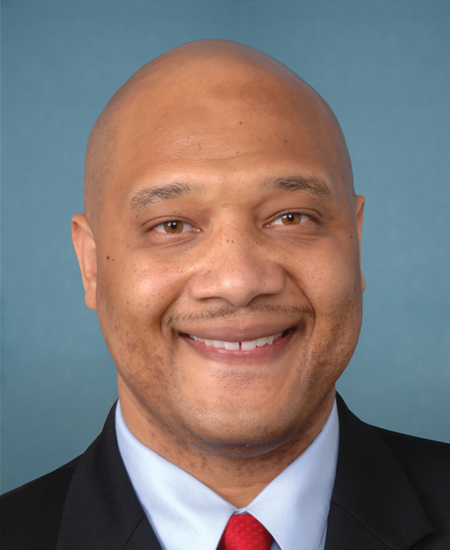
Rep. André Carson
Sponsored bills
Maddy summaryThis bill, known as the Fair Wages for Home Care Workers Act, would change federal labor rules to require overtime pay and minimum wage protections for certain babysitters. It specifically targets casual babysitting work that is irregular or intermittent, while excluding trained medical professionals like nurses and home health aides from these changes. The law would also allow babysitters to perform up to 20% of their work time on unrelated household tasks without losing their protected status. These amendments would apply to workers covered by the Fair Labor Standards Act of 1938 who provide custodial care for infants or children in private homes.
Maddy summaryThis bill directs the Joint Committee of Congress on the Library to commission and place a statue of Clarence Mitchell, Jr. in a permanent public location within the United States Capitol. The legislation authorizes the committee to enter into agreements with an artist or organization to create the statue and permits the Architect of the Capitol to handle related contracts on the committee's behalf. Funding is authorized to cover the costs of obtaining and installing the statue, with no specific time limit for spending the allocated funds. The bill honors Mitchell, Jr., a civil rights leader and former NAACP Washington Bureau director, by recognizing his contributions to civil rights legislation through a physical memorial in the Capitol.
Maddy summaryThis bill would require infant formula manufacturers to conduct standardized testing for specific pathogens and microorganisms in both their facilities and finished products. It mandates that companies report positive test results to the FDA within one business day and retain records of these findings for inspections. The legislation also requires the FDA to notify congressional committees within one business day of receiving positive test results or issuing certain inspection classifications. Additionally, the bill establishes clear inspection standards that apply to all infant formula products regardless of where they are made.
This concurrent resolution directs the President to terminate the use of U.S. Armed Forces from hostilities against Iran or any part of the Iranian government or military unless a declaration of war or authorization to use military force for such purpose has been enacted. The resolution specifies that it shall not be construed to prevent the United States from defending itself from imminent attack.
Maddy summaryHRES 1109 is a symbolic resolution supporting National Women and Girls HIV/AIDS Awareness Day, observed annually on March 10. It recognizes the disproportionate impact of HIV/AIDS on women and girls in the U.S., particularly women of color who face higher infection rates and barriers to care. The resolution calls for increased investment in prevention, treatment, and education programs to reduce new infections and address health disparities, while emphasizing the need for culturally responsive services and comprehensive sexual health education. It does not create new laws or funding but expresses congressional support for ongoing efforts to end the HIV epidemic among women and girls.
Maddy summaryHRES 1107 is a House resolution urging the President to issue a proclamation flying the U.S. flag at half-staff to honor Rev. Jesse Jackson. The resolution recognizes his civil rights leadership, including founding the Rainbow PUSH Coalition and his presidential campaigns in 1984 and 1988, which advanced racial equality and economic justice. This symbolic gesture directly affects the President (as the one who would issue the proclamation) and the public, who would observe the flag at half-staff.
Maddy summaryThis bill establishes the United States Immigration Courts as an independent judicial system under Article I of the Constitution, separate from the executive branch. It creates three divisions (appellate, trial, and administrative), sets qualifications for judges, and defines jurisdiction for immigration proceedings. The bill transfers functions from the Executive Office for Immigration Review to this new court system, with detailed provisions for appointment, compensation, and retirement of judges. It also requires annual reporting to Congress on court workload and outcomes, including demographic information and case processing times.
Maddy summaryThis bill, the PrEP Access and Coverage Act of 2026, requires most health insurance plans to cover HIV prevention medication without charging patients any out-of-pocket costs. It directly affects people with private insurance, government health programs like Medicare and Medicaid, military health care, and the Indian Health Service. The law mandates that insurance companies cannot require pre-approval for these medications, cannot charge deductibles or copayments for them, and cannot deny or charge higher premiums for life, disability, or long-term care insurance based on someone taking HIV prevention medication. The bill also creates a new public education campaign to increase awareness about HIV prevention options and provides federal funding to states and community organizations to expand access to these services.
Maddy summaryThis bill, the Supplemental Security Income Restoration Act of 2026, updates eligibility rules and benefit amounts for the Supplemental Security Income (SSI) program, which provides financial assistance to low-income elderly, blind, and disabled individuals. Key changes include raising income and resource limits to help more people qualify, adjusting benefit calculations to better reflect poverty guidelines, and extending the program to U.S. territories like Puerto Rico and Guam. The legislation also removes certain financial penalties, excludes retirement accounts and tribal welfare payments from eligibility calculations, and clarifies how state tax credits are treated when determining income.