Issue · Environment

Environment

Every environment bill, vote, and legislator stance in Missouri, automatically classified by Maddy, our AI policy reader.

Total bills
63
119th Congress
Top supporter
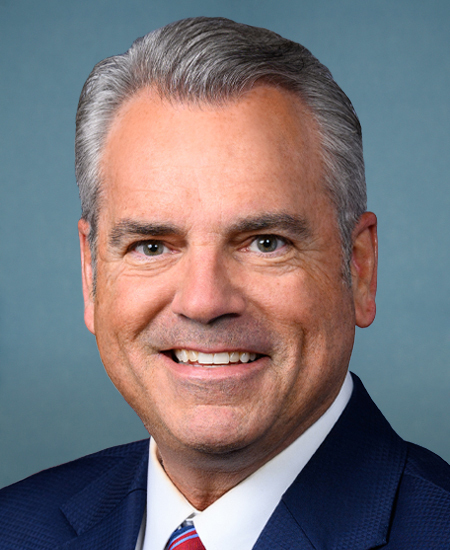
Wesley Bell
64% support rate
Top opponent
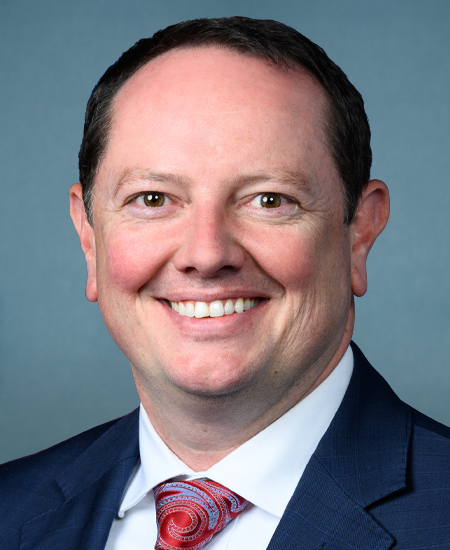
Eric Schmitt
23% support rate
Ranked legislators
7
2 support · 5 oppose
Key legislators

Who's moving environment in Missouri

Legislators moving environment in Missouri
Legislator Party Stance Support rate Votes
Wesley Bell
Wesley Bell House · District 1
D
Support
64% 300
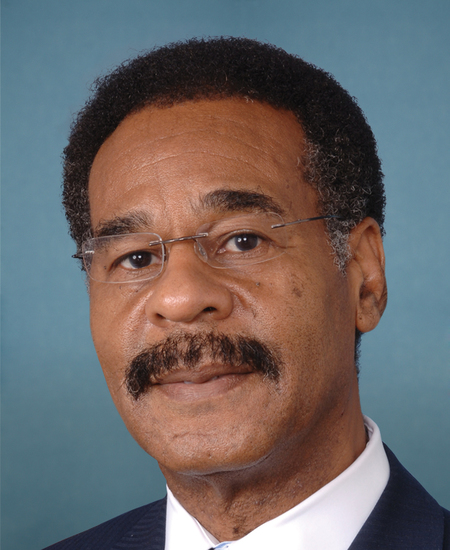
Emanuel Cleaver
Emanuel Cleaver House · District 5
D
Support
63% 291
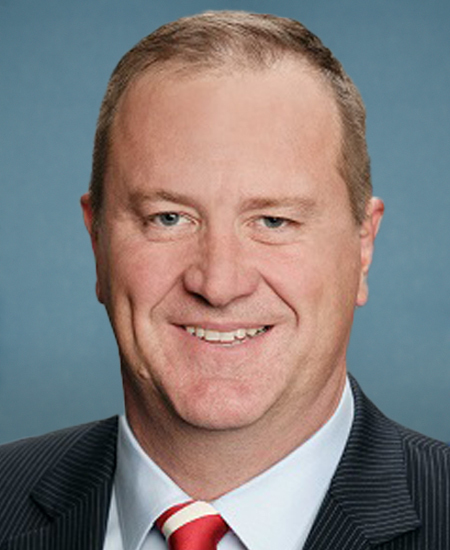
Eric Schmitt
Eric Schmitt Senate
R
Oppose
23% 232
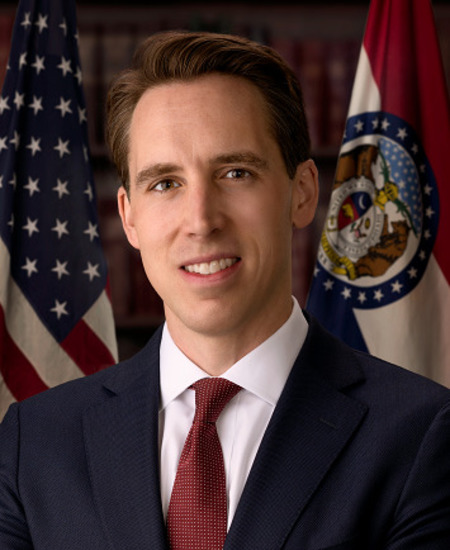
Josh Hawley
Josh Hawley Senate
R
Oppose
28% 228
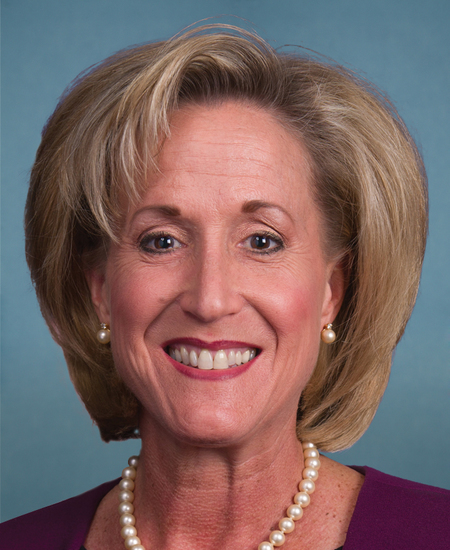
Ann Wagner
Ann Wagner House · District 2
R
Oppose
32% 305
Mark Alford
Mark Alford House · District 4
R
Oppose
33% 299
Eric Burlison
Eric Burlison House · District 7
R
Oppose
34% 291
Showing 1–10 of 63 bills

All environment bills

in committee · United States · House Sep 3, 2026

HR 9497: Water Resources Development Act of 2026

This bill, titled the Water Resources Development Act of 2026, authorizes the U.S. Army Corps of Engineers to improve rivers, harbors, and water resources across the United States while establishing new administrative offices to better manage inland navigation, water supply, and community outreach. It introduces specific mechanisms such as creating a new board for levee owners to advise on flood safety, allowing for categorical permissions to streamline certain environmental reviews, and mandating a prohibition on diverting water from the Missouri River without approval from all relevant state governors. The legislation also authorizes numerous specific projects for flood risk management, ecosystem restoration, and water supply in locations ranging from Alaska to Texas, while simultaneously deauthorizing or modifying older projects that are no longer needed or require changes to better align with current environmental and safety standards.
in committee · United States · House Jun 24, 2026

HR 9250: Great American Outdoors Act 250

This bill redesignates the existing National Parks and Public Land Legacy Restoration Fund as the America's Legacy Restoration Fund to address deferred maintenance on federal lands. It directs revenue from recreation fees and a portion of energy development income into the fund, which must be used primarily for repairing critical infrastructure like roads, trails, and buildings managed by agencies such as the National Park Service and the Forest Service. The legislation establishes strict rules requiring that most funds go toward non-transportation projects, mandates transparency through public dashboards tracking project status, and sets aside a small percentage for matching private donations. Additionally, the bill increases entrance fees for foreign visitors to ensure they contribute to the fund, while prohibiting the use of these specific funds for land acquisition or employee bonuses.
in committee · United States · House Jun 30, 2026

HR 9282: Encouraging Public Service in Our National Parks and Public Land Act

This bill, titled the Encouraging Public Service in Our National Parks and Public Land Act, requires the Secretary of the Interior to make specific federal recreational lands and waters free of admission fees on designated dates throughout the year. The key provision mandates that these free access days include Martin Luther King Jr. Day, the first day of National Park Week, Juneteenth, Great American Outdoors Day, National Public Lands Day, and Veterans Day. Additionally, the legislation grants the Secretary the authority to establish extra fee-free days beyond those listed. These changes directly affect visitors to national parks and other federal recreational areas by providing them with guaranteed free entry on these holidays and observances.
in committee · United States · House Jun 11, 2026

HRES 1361: Expressing support for the recognition of July 3 through July 10, 2026, as "National Extreme Heat Awareness Week", a national event educating the public on the dangers of extreme heat and the risks of extreme heat events to public safety, infrastructure, agriculture, and much more, and supporting the goals of a National Extreme Heat Awareness Week.

This resolution expresses support for designating July 3 through July 10, 2026, as "National Extreme Heat Awareness Week" to educate the public on the dangers of extreme heat. The bill highlights how high temperatures threaten public safety, infrastructure, and agriculture, noting that heat is the leading weather-related cause of death in the United States. It encourages federal, state, and private entities to hold ceremonies and activities during this week to raise awareness about preventing heat-related illnesses and promoting community preparedness.
in committee · United States · House May 26, 2026

HR 9036: American High-Speed Rail Act

The American High-Speed Rail Act expands federal funding and streamlines regulations to support the development of high-speed and higher-speed rail projects across the United States. It authorizes billions of dollars in grants for corridor planning, technology improvements, and construction, while allowing the federal government to cover up to 100% of project costs under specific conditions. The bill also introduces new provisions to facilitate land acquisition, prioritize border projects, and extend labor protections to workers involved in federally funded rail infrastructure. Additionally, the legislation defines higher-speed rail as trains traveling between 110 and 186 miles per hour and includes tax incentives for rail carriers that sell or lease property to support these projects.
Sub-Topics Rail
in committee · United States · House May 4, 2026

HR 8653: ADAPT Assets Act

The ADAPT Assets Act establishes a competitive grant program to fund up to 10 demonstration projects that help critical transportation infrastructure withstand natural hazards. Eligible recipients include states, local governments, transit agencies, ports, and Tribal entities, with funding capped at an 80 percent federal share. The program specifically targets large-scale projects costing at least $500 million that address barriers like complex governance or the integration of nature-based solutions, allowing funds to cover design, permitting, and construction. To ensure transparency and coordination, the bill requires the Department of Transportation to publish a public dashboard tracking project progress and to submit periodic reports evaluating the effectiveness of these resilience investments.
in committee · United States · House Mar 18, 2026

HR 7977: Energy Bills Relief Act

The Energy Bills Relief Act aims to lower household energy costs and accelerate the development of low-cost, clean energy by modifying federal tax credits, expanding weatherization programs, and streamlining permitting processes. Key provisions include restoring tax incentives for renewable energy projects, increasing funding for low-income heating assistance, and requiring federal agencies to treat wind, solar, and storage projects with the same procedural fairness as oil and gas projects. The bill also establishes new incentives for upgrading the electricity grid, such as tax credits for transmission lines and grants for wildfire prevention measures, while creating mechanisms to ensure utilities serve public interests and protect consumers from price volatility.
in committee · United States · House May 12, 2026

HR 8744: TREE Act

The TREE Act prohibits the import and sale in the U.S. of goods linked to deforestation, starting in 2029, and directly affects companies that trade or sell commodities like cattle, soy, palm oil, and wood. To enforce this ban, the bill requires importers to submit detailed due diligence statements proving their products are deforestation-free, while also mandating increased customs inspections for goods from countries categorized as high or moderate risk. The U.S. Trade Representative will annually assess and rank countries based on their deforestation rates and environmental laws, with higher-risk nations facing stricter scrutiny and potential trade restrictions. Additionally, the law establishes civil penalties for violations and directs half of the collected fines toward providing financial assistance to developing countries for forest management.
Sub-Topics Forestry
in committee · United States · House May 14, 2026

HRES 1286: Calling for a trade policy that supports workers, consumers, independent farmers, small businesses, and the environment.

This resolution expresses the House of Representatives' preference for a trade policy that prioritizes American workers, consumers, independent farmers, small businesses, and the environment over corporate interests. It calls for trade agreements to include binding labor and environmental standards, fair wage guarantees, and strict rules of origin to prevent companies from moving jobs overseas. The measure also supports strengthening domestic manufacturing requirements, maintaining tariffs against unfair trade practices, and ensuring that public procurement favors American-made goods. Additionally, it urges the inclusion of provisions to protect data privacy, regulate artificial intelligence, and ensure affordable access to medicine while preventing monopolies.
in committee · United States · House Apr 21, 2026

HR 8397: Protecting Moms and Babies Against Climate Change Act

This bill establishes a grant program to help vulnerable mothers and babies in areas with high climate-related health risks, such as extreme heat and air pollution. It directs the Department of Health and Human Services to award up to $105 million over four years to community groups, healthcare providers, and local organizations for initiatives that provide cooling resources, health education, and support services. The program prioritizes areas with high rates of maternal and infant health disparities and requires grantees to address racial and ethnic inequities. Additionally, the bill creates a research consortium at the National Institutes of Health to study climate impacts on birth outcomes and funds training programs for health profession schools to better prepare providers for these risks.
Showing 1 to 10 of 63 bills
1 2 3 7 Next