Issue · Criminal Justice

Criminal Justice (Courts)

Every criminal justice bill, vote, and legislator stance in Minnesota, automatically classified by Maddy, our AI policy reader.

Total bills
72
2025-2026 Regular Session
Top supporter
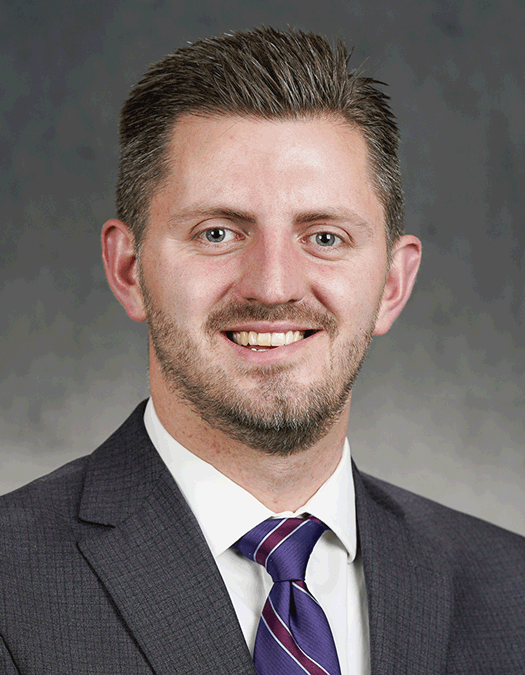
Aisha Gomez
100% support rate
Top opponent
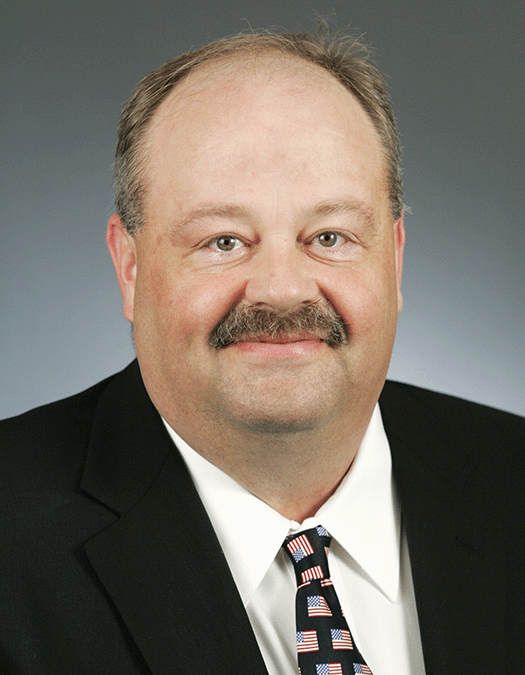
Bryan Lawrence
0% support rate
Ranked legislators
10
5 support · 5 oppose
Key legislators

Who's moving courts in Minnesota

Legislators moving courts in Minnesota
Legislator Party Stance Support rate Decisive votes
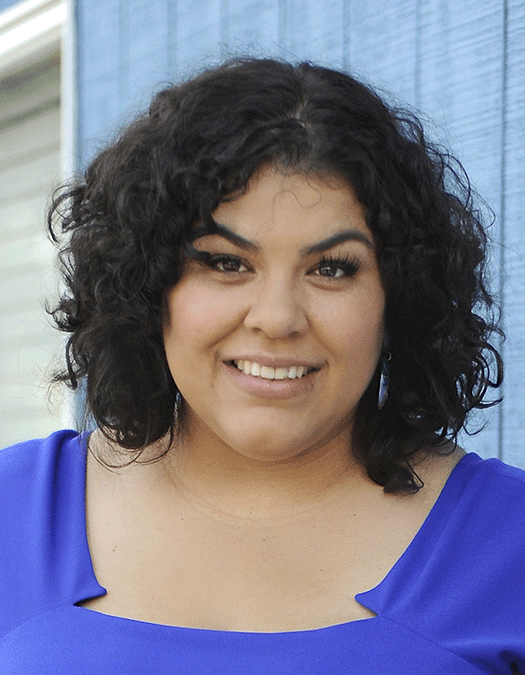
Aisha Gomez
Aisha Gomez House · District 62A
D
Strong +
100% 4
Alex Falconer
Alex Falconer House · District 49A
D
Strong +
100% 4
Andy Smith
Andy Smith House · District 25B
D
Strong +
100% 4
Anquam Mahamoud
Anquam Mahamoud House · District 62B
D
Strong +
100% 4
Athena Hollins
Athena Hollins House · District 66B
D
Strong +
100% 4
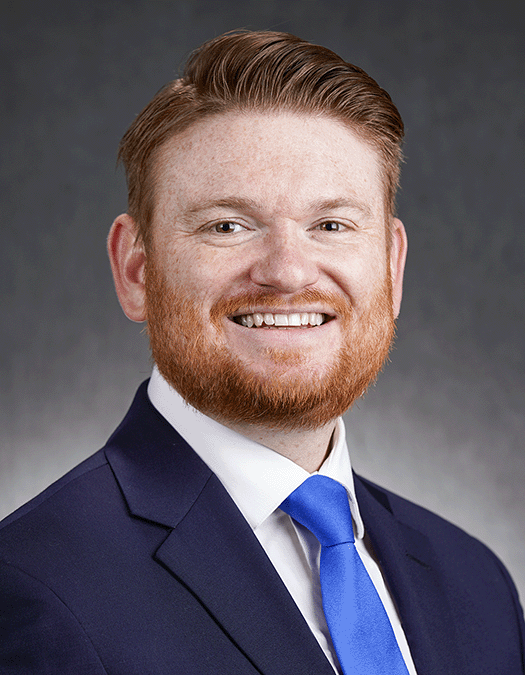
Bryan Lawrence
Bryan Lawrence House · District 27B
R
Strong −
0% 4
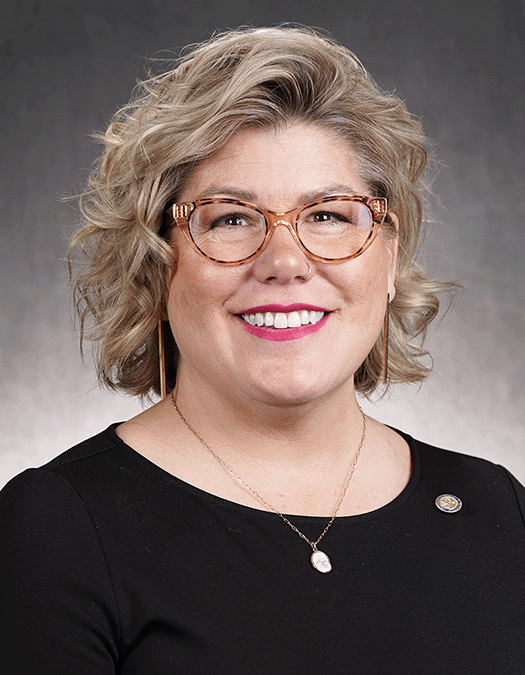
Dawn Gillman
Dawn Gillman House · District 17A
R
Strong −
0% 4
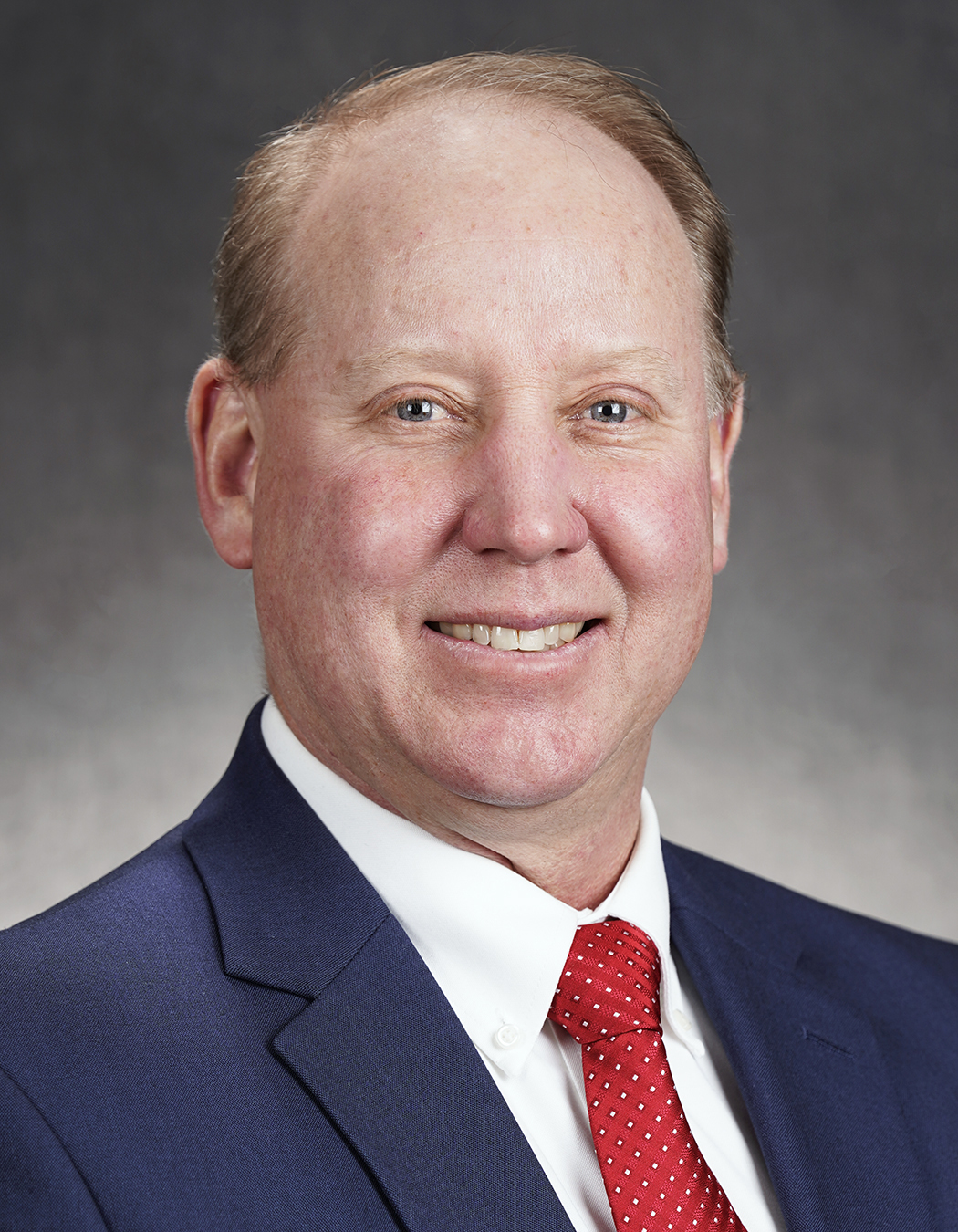
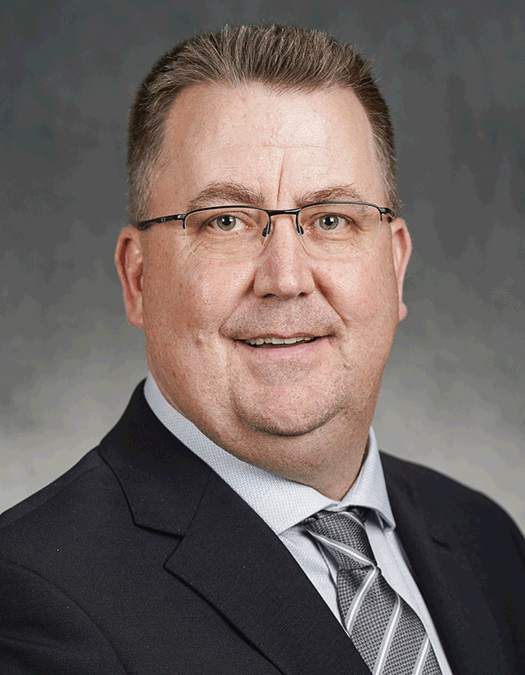
Greg Davids
Greg Davids House · District 26B
R
Strong −
0% 4
Isaac Schultz
Isaac Schultz House · District 10B
R
Strong −
0% 4
Jim Joy
Jim Joy House · District 4B
R
Strong −
0% 4
Showing 31–40 of 72 bills

All criminal justice bills

signed · Minnesota · House May 5, 2026

HF 3827: Grants from Bureau of Criminal Apprehension to local law enforcement clarified as reimbursements, law related to recording of crimes updated, process for determining how certain criminal records are ineligible for sealing established, and court required to provide order for protection for access by law enforcement.

This bill clarifies that funds provided by the Bureau of Criminal Apprehension to local law enforcement agencies are reimbursements rather than grants, which changes how these agencies must account for and report the money. It updates crime recording requirements to align with federal standards and establishes a new process for determining when certain criminal records cannot be sealed. The legislation also creates a witness and victim protection fund to help individuals involved in criminal prosecutions with relocation, housing, and other support services, while requiring courts to provide law enforcement access to protection orders. Local law enforcement officials will need to submit detailed reports on how they use these funds, including information about arrests, seized items, and expenses.
Sub-Topics Courts Law Enforcement
in committee · Minnesota · Senate Mar 17, 2026

SF 4501: Allow the legislative auditor or state auditor to access expunged criminal records for hiring purposes

This bill allows the Office of the Legislative Auditor and the state auditor to access and review expunged criminal records when evaluating final candidates for employment. The change directly affects these two state auditing agencies by permitting them to consider prior convictions that have been legally sealed or expunged during their hiring processes. Under the new provisions, auditors may disqualify candidates based on these records without needing a separate court order, provided the conviction is directly related to the job position. The legislation amends existing state statutes to create this specific exception to expungement protections for these particular government hiring roles.
Sub-Topics Courts
in committee · Minnesota · Senate Apr 21, 2026

SF 4409: Conditional medical release expansion to include geriatric and nonmedical release provision

This bill expands Minnesota's conditional medical release program to include geriatric release for older incarcerated individuals and family caregiver release for those caring for incapacitated relatives. It establishes specific eligibility criteria, such as age and time served requirements for geriatric release, and mandates medical reviews and supervision conditions for those granted release. The legislation also creates a new category for extraordinary and compelling circumstances, requiring written decisions within 30 days and allowing applicants to seek court review if denied. Additionally, the bill requires the commissioner to maintain a public database of release requests and submit annual reports on outcomes and cost savings, with all provisions taking effect on July 1, 2026.
Sub-Topics Courts
in committee · Minnesota · Senate Mar 9, 2026

SF 4221: Disseminating information crime expansion to include all individuals provision

This bill expands Minnesota's existing laws against sharing personal information to protect all individuals, not just law enforcement officers. It creates a new civil lawsuit option for people harmed when their private data is shared without consent, allowing them to seek damages for emotional distress, court costs, and up to $10,000 in penalties. The law applies when someone knowingly shares information that creates an immediate serious threat to safety, but includes exceptions for legitimate criminal investigations, public interest reporting, and legal proceedings. Courts would handle these cases in Minnesota counties where the parties live, where the information was shared, or where it is stored, with special protections for confidential filings to maintain privacy.
in committee · Minnesota · House May 5, 2026

HF 3874: Chief justice security provided, base funding beginning in fiscal year 2028 redistributed, judicial branch funding provided, and money appropriated.

This bill establishes security provisions for the Minnesota chief justice by authorizing the State Patrol to provide protection when necessary after consultation with the chief justice. It also adjusts funding allocations for the state's judicial branch, including the Supreme Court, Court of Appeals, and District Courts, with base funding changes taking effect in fiscal year 2028. The legislation appropriates specific amounts for various court operations and includes a provision to increase hourly rates paid to forensic examiners. Additionally, it expands the State Patrol's existing security authority to include protection for other constitutional officers during credible threats.
Sub-Topics Courts
in committee · Minnesota · House Mar 23, 2026

HF 4540: Misrepresentation of campaign authority prohibited, criminal penalties and civil remedies provided.

This bill prohibits individuals from falsely claiming to represent real or nonexistent political candidates, parties, or organizations when speaking, writing, or soliciting money with intent to defraud. It applies to anyone making such misrepresentations or conspiring to do so, including those acting on behalf of political committees or funds. Violations are classified as gross misdemeanors and allow injured parties to seek civil damages, investigation costs, attorney fees, and civil penalties of up to $1,000 per violation through court action. The law also clarifies that complaints about these specific violations bypass the standard administrative complaint process and go directly to enforcement authorities. The bill takes effect on August 1, 2025, for crimes committed on or after that date.
Sub-Topics Courts
in committee · Minnesota · Senate Mar 11, 2026

SF 4345: Jay Boughton Minor Protection Evidence Access Act establishment

This bill establishes a new law requiring prosecutors to seek protective orders for certain evidence in criminal cases involving crimes of violence, particularly when the evidence could cause severe emotional distress or privacy violations for victims or third parties. The legislation specifically mandates that prosecutors request court protection for audio recordings of 911 calls made by minor victims and video footage showing minors captured by law enforcement recording systems. Additionally, the bill clarifies that inactive criminal investigative data containing images or recordings considered offensive to common sensibilities will be classified as private or nonpublic, though the existence of such materials must still be disclosed to requesters. These provisions aim to balance public access to court records with the need to protect victims and third parties from unnecessary exposure to sensitive or disturbing evidence.
Sub-Topics Courts Law Enforcement
in committee · Minnesota · House Mar 2, 2026

HF 3856: Government entities prohibited from using automated license plate readers, and use of automated license plate readers by other persons regulated.

This bill prohibits Minnesota government entities from using automated license plate reader systems and requires law enforcement agencies to obtain a judicial warrant before accessing any data collected by such systems. It also regulates private use of these readers by requiring clear signage to inform drivers when cameras are in use and mandating that personal data cannot be shared without individual consent, a court order, or a warrant. Additionally, the law requires law enforcement agencies to destroy all existing automated license plate reader data within seven days of the bill's effective date, with limited exceptions for active criminal investigations.
in committee · Minnesota · House Apr 16, 2026

HF 4407: Minnesota African American Family Preservation and Child Welfare Disproportionality Act modified.

This bill modifies Minnesota's African American Family Preservation and Child Welfare Disproportionality Act to strengthen protections for children of color in the child welfare system. It requires social services agencies to make "active efforts" rather than just "reasonable efforts" to keep African American and disproportionately represented children in their homes, reunify them with families, and involve families in all service decisions. The law mandates that agencies consider cultural and social values when providing services, ensures community members from communities of color serve as court advocates, and requires ombudspersons to monitor compliance with these new standards. Additionally, the bill expands placement options to include relatives and community members before removing children from their homes.
Sub-Topics Courts
in committee · Minnesota · Senate Mar 23, 2026

SF 4739: Automated license plate reader data regulations and provisions modifications

This bill strengthens regulations on automated license plate reader data in Minnesota by requiring all collected data to be stored centrally at the Bureau of Criminal Apprehension. It limits what information can be collected to license plate numbers, timestamps, and photographs, while mandating that data not tied to active criminal investigations be destroyed within 48 hours. The law also restricts how law enforcement agencies can access the data, requiring written authorization based on reasonable suspicion and documenting each access in an audit trail. Additionally, the bill prohibits sharing data outside Minnesota unless a court order or warrant is obtained, and it extends these rules to private entities that share their collected data with law enforcement agencies.
Sub-Topics Courts Law Enforcement
Showing 31 to 40 of 72 bills
Previous 1 … 3 4 5 … 8 Next