Issue · Criminal Justice

Criminal Justice (Firearms)

Every criminal justice bill, vote, and legislator stance in Minnesota, automatically classified by Maddy, our AI policy reader.

Total bills
16
2025-2026 Regular Session
Top supporter
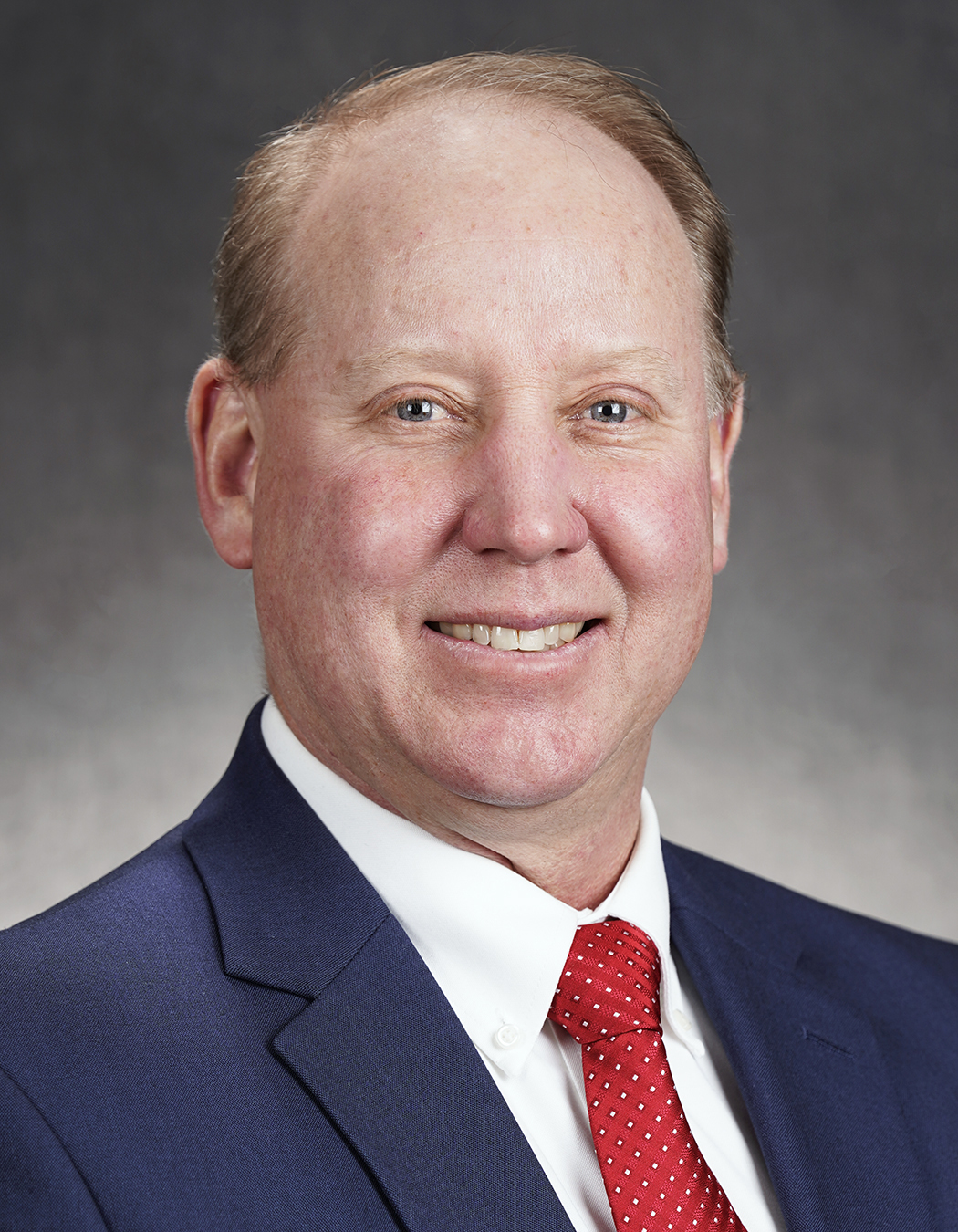
Aisha Gomez
100% support rate
Top opponent
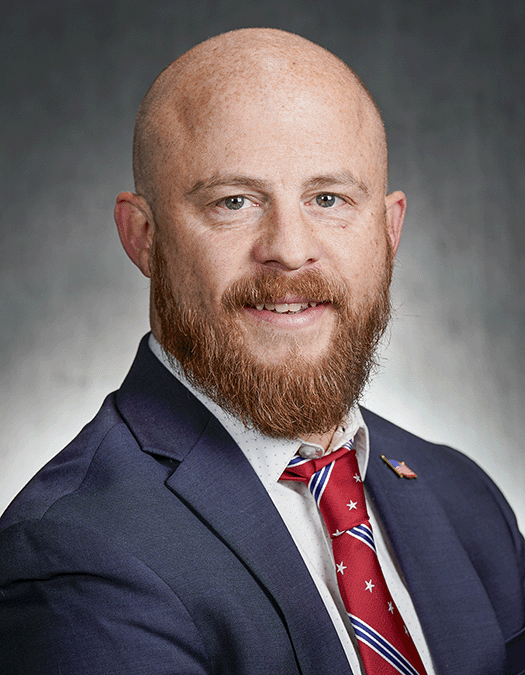
Ben Davis
0% support rate
Ranked legislators
10
5 support · 5 oppose
Key legislators

Who's moving firearms in Minnesota

Legislators moving firearms in Minnesota
Legislator Party Stance Support rate Decisive votes
Aisha Gomez
Aisha Gomez House · District 62A
D
Strong +
100% 4
Alex Falconer
Alex Falconer House · District 49A
D
Strong +
100% 4
Andy Smith
Andy Smith House · District 25B
D
Strong +
100% 4
Anquam Mahamoud
Anquam Mahamoud House · District 62B
D
Strong +
100% 4
Athena Hollins
Athena Hollins House · District 66B
D
Strong +
100% 4
Ben Davis
Ben Davis House · District 6A
R
Strong −
0% 4
Bobbie Harder
Bobbie Harder House · District 17B
R
Strong −
0% 4
Bryan Lawrence
Bryan Lawrence House · District 27B
R
Strong −
0% 4
Cal Warwas
Cal Warwas House · District 7B
R
Strong −
0% 4
Drew Roach
Drew Roach House · District 58B
R
Strong −
0% 4
Showing 11–16 of 16 bills

All criminal justice bills

in committee · Minnesota · House Mar 18, 2026

HF 3498: Penalty for transferring a firearm to an unauthorized person increased, mandatory minimum sentence for certain transfers of a firearm to an ineligible person established, and affirmative defense removed.

HF 3498 increases penalties for transferring firearms to people legally prohibited from owning them, such as those denied permits or disqualified under Minnesota law. It raises the maximum prison term for standard transfers from two to three years and the fine to $10,000, while establishing a mandatory minimum three-year prison sentence (or the standard sentencing guideline term, whichever is longer) for transfers where the firearm is later used in a violent crime within one year. The bill also removes a previous defense allowing defendants to claim they were forced by a family member to transfer the firearm. This change directly affects individuals who transfer guns to ineligible persons, eliminating a legal option for those claiming coercion in domestic situations.
in committee · Minnesota · Senate Apr 3, 2025

SF 3262: Access to expunged conviction records of applicants for licenses and positions in the private security industry authorization

SF 3262 allows private security industry license applicants and employees to have their expunged conviction records accessed during background checks without a court order. It amends Minnesota Statutes to specifically permit this access for evaluations under sections 326.3381 (licensing standards) and 326.336 (background check requirements). This affects individuals with expunged convictions seeking work in the private security sector, as employers can now review these records for licensing decisions. The bill does not change expungement eligibility but clarifies that such records may be accessed for this specific industry background check process. It applies to expungement orders issued before or after January 1, 2015.
Sub-Topics Firearms
in committee · Minnesota · Senate Jan 27, 2025

SF 658: Person who steals a firearm requirement to report the theft promptly to law enforcement

SF 658 requires anyone who steals a firearm to report the theft to law enforcement within 48 hours. This directly affects individuals who commit firearm thefts, imposing penalties of a petty misdemeanor for first offenses, a misdemeanor for a second violation, and a gross misdemeanor for third or subsequent violations. Law enforcement agencies must also report stolen firearms to the state commissioner of public safety within seven days. The bill appropriates one-time funding for a reporting system to support this requirement, effective August 1, 2025.
Sub-Topics Firearms
in committee · Minnesota · Senate Jan 21, 2025

SF 471: Dangerous weapons in public libraries prohibition

SF 471 prohibits possessing dangerous weapons in public libraries under Minnesota law. It makes unauthorized possession a felony punishable by up to five years in prison or a $10,000 fine, while allowing licensed firearm permit holders to carry weapons (as a misdemeanor) and exempting licensed peace officers. The bill amends Minnesota Statutes section 609.66 and applies to crimes committed on or after August 1, 2025. It directly affects library patrons, staff, and law enforcement by defining legal boundaries for weapon possession in public library buildings.
Sub-Topics Drug Policy Firearms
in committee · Minnesota · House Mar 13, 2025

HF 558: Consideration of arrest and investigative record in criminal history background check authorized.

HF 558 authorizes law enforcement and licensing agencies to include arrest and investigative records (not convictions) in criminal history background checks. This affects job applicants, particularly for public safety positions or roles requiring background checks, as it expands the information considered beyond final convictions. The bill adds a specific provision to Minnesota Statutes (chapter 299C) allowing background checks to include records of arrests that did not result in criminal charges. It does not change existing requirements for background checks but explicitly permits the inclusion of this additional information.
Sub-Topics Firearms
in committee · Minnesota · Senate Feb 13, 2025

SF 1365: Earned incentive release credit exclusions expansion provision

SF 1365 expands the list of offenses that disqualify inmates from earning "earned incentive release credit" - a program allowing eligible prisoners to reduce sentences through good behavior or rehabilitation participation. The bill amends Minnesota Statutes section 244.45 to add specific crimes - including certain violent offenses (like first-degree murder), sexual crimes with force, gang-related convictions, and firearm-related crimes - to the existing exclusion list. This change directly affects inmates convicted of these newly specified offenses, barring them from qualifying for the credit. The policy adjustment modifies eligibility criteria without altering the core structure of the sentencing program.
Showing 11 to 16 of 16 bills