Maddy summaryThis bill proposes a new amendment to the U.S. Constitution to guarantee the right to vote for all citizens of legal voting age in their place of residence. It requires states to allow voters to register and cast ballots on election day and mandates that Congress set national standards for how elections are administered. The amendment permits only narrowly tailored rules to protect election integrity and gives Congress the authority to pass laws enforcing these new voting rights.
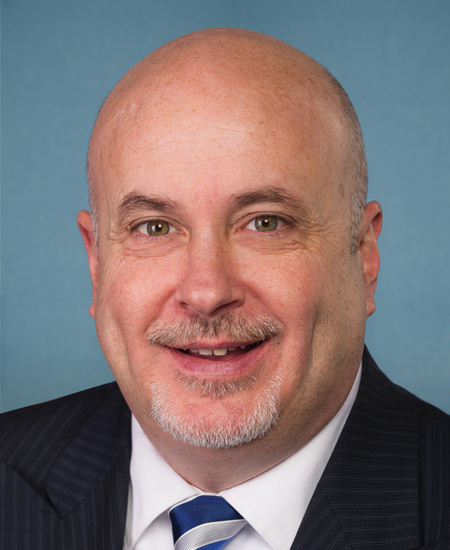
Rep. Mark Pocan
Sponsored bills
Maddy summaryThe Keep Public Funds in Public Schools Act of 2026 eliminates a federal tax credit that allowed parents to deduct contributions to scholarship granting organizations from their income. By removing these specific tax breaks, the bill prevents the use of public tax dollars to support private school vouchers and scholarship programs. This change directly affects families who currently rely on these tax incentives to fund education outside the public school system. The provisions take effect for taxable years beginning after December 31, 2026.
Maddy summaryHR 5408, the Faster Labor Contracts Act, requires employers to begin negotiating a first contract with a newly certified union within 10 days of written request. If no agreement is reached within 90 days, the parties must seek mediation, and if unresolved after 30 days of mediation, the dispute moves to binding arbitration by a three-member panel. The arbitration decision, based on factors like employer finances, industry standards, and cost of living, becomes binding for two years. This bill directly affects newly certified unions and their employers during initial contract negotiations, aiming to reduce delays that currently average 465 days.
Maddy summaryThe Tax the Grift Act imposes a 100 percent tax on any money received from a specific fund created by a civil lawsuit filed by the President against the Internal Revenue Service. This tax applies to all recipients of these payments and is treated as a standard income tax rather than a special exclusion. However, the bill also prevents these payments from being counted as taxable income, effectively nullifying the tax by allowing recipients to exclude the funds from their gross income. The law takes effect for any amounts received after the bill is enacted.
Maddy summaryThe SHINE Act requires political committees to separately report any contributions of $1,000 or more received within the 20 days leading up to an election. This rule applies to non-party committees that plan to spend money supporting or opposing candidates or parties in that upcoming election. The Federal Election Commission must create specific regulations to enforce this reporting requirement within 90 days of the law's passage. These changes aim to increase transparency by ensuring timely disclosure of late donations used for campaign activities.
Maddy summaryThe American High-Speed Rail Act expands federal funding and streamlines regulations to support the development of high-speed and higher-speed rail projects across the United States. It authorizes billions of dollars in grants for corridor planning, technology improvements, and construction, while allowing the federal government to cover up to 100% of project costs under specific conditions. The bill also introduces new provisions to facilitate land acquisition, prioritize border projects, and extend labor protections to workers involved in federally funded rail infrastructure. Additionally, the legislation defines higher-speed rail as trains traveling between 110 and 186 miles per hour and includes tax incentives for rail carriers that sell or lease property to support these projects.
Maddy summaryThis joint resolution seeks to officially reject a final rule issued by the Department of Education regarding federal student loan programs. If passed, the measure would prevent the new regulations from taking effect, leaving the previous rules in place. The bill directly impacts borrowers, lenders, and the Department of Education by nullifying the specific changes outlined in the "Reimagining and Improving Student Education" proposal. It is a procedural action that uses the Congressional Review Act to disapprove the agency's policy without altering the underlying law.
Maddy summaryThis bill is a non-binding resolution that expresses support for designating May 2026 as 'Renewable Fuels Month.' It aims to highlight the economic and environmental benefits of renewable fuels, such as ethanol and biodiesel, which are used in vehicles and aviation. The resolution recognizes how these fuels help lower consumer prices, create jobs in rural areas, reduce reliance on foreign oil, and decrease greenhouse gas emissions. Because this is a symbolic gesture rather than a law with enforceable rules, it does not change any existing policies or regulations.
Maddy summaryThe Elder Pride Act of 2026 creates a new grant program under the Older Americans Act to support rural outreach initiatives for older individuals, including those from LGBTQI communities and other protected groups. Authorized funding of $5 million per year for fiscal years 2027 and 2028 will be distributed to states, tribal organizations, and nonprofit agencies that submit applications demonstrating a plan to partner with local communities. Recipients must use these funds to provide sexual health services, reduce social isolation, improve cultural competency among service providers, and expand nondiscrimination policies in areas not designated as urbanized. The bill requires that any federal money received supplement, rather than replace, existing state or local funding for related services.
Maddy summaryThis bill would add pharmacist services to Medicare Part B coverage for beneficiaries, specifically covering pharmacist-led testing and treatment for illnesses like flu, COVID-19, or strep throat during public health emergencies. It defines covered services as those performed under state law, often requiring collaboration with a physician, and sets payment at 80% of the lesser of the actual charge or 85% of physician payment rates. Pharmacists would be prohibited from balance billing for these services, ensuring Medicare beneficiaries pay only their standard copayment. The changes would take effect January 1, 2026.